

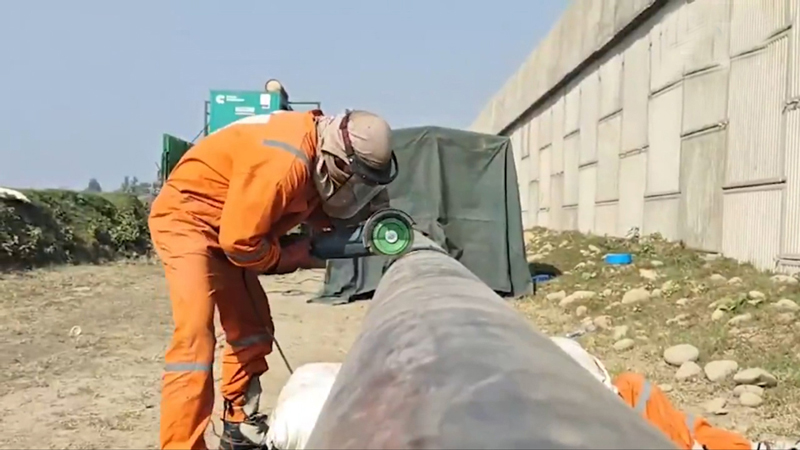
The commencement of work on the 175-kilometre Gurdaspur-Jammu Tawi Natural Gas Pipeline marks a transformative era in the energy infrastructure of northern India. Expected to supply natural gas to Jammu households by 2026, this ambitious project embodies a significant leap towards energy security, environmental sustainability, and economic development. It reflects the Government’s commitment to modernising essential services and improving citizens’ quality of life in Jammu and Kashmir. This pipeline project is more than an infrastructural undertaking-it is a game changer for the UT of J&K. Designed to transport up to two million cubic meters of natural gas daily, the pipeline promises to replace the burdensome use of traditional LPG cylinders with a more efficient, accessible, and environmentally friendly energy source. By laying the pipeline alongside the Delhi-Amritsar-Katra Expressway and extending it to Kathua, Samba, and Jammu City, the project aligns with broader goals of enhancing connectivity and economic integration in the region. While the UT Government has allocated state land for the project, private land acquisition has been meticulously managed by GAIL. This reflects the Government’s proactive role in ensuring the timely and smooth execution of the project.
Natural gas is a cleaner alternative to coal and oil, and its adoption is crucial in addressing pressing environmental concerns. The Gurdaspur-Jammu Pipeline is poised to significantly reduce greenhouse gas emissions, improving air quality and enhancing public health. With the region’s harsh winters, particularly in Kashmir, this project could also reduce reliance on polluting fuels like wood and coal for heating, fostering environmental preservation in alignment with India’s commitments under the Paris Agreement. By promoting the use of cleaner energy, the pipeline also diversifies the energy mix of the region, reducing vulnerability to supply disruptions and increasing resilience against energy crises. The year-round availability of gas, irrespective of weather or road conditions, ensures consistent energy access-a boon for households, businesses, and industries alike.
The economic implications of this pipeline are equally profound. The project aims to create opportunities for gas-based industries and attract investments by facilitating the transport of natural gas to Jammu and eventually to Srinagar. The availability of reliable and cost-effective energy will foster competition and innovation, paving the way for industrial growth and job creation. Furthermore, modern gas heating infrastructure in the Kashmir Valley could enhance its appeal as a tourist destination, offering comfort during harsh winters while reducing reliance on fossil fuels. This is a strategic move that benefits both the economy and the environment.
While the project holds immense promise, it is not without challenges. The construction of a pipeline of this magnitude requires meticulous planning and execution, particularly in a region marked by challenging terrain and weather conditions. Ensuring minimal disruption to local communities and addressing environmental concerns during construction are vital. Moreover, educating the local population about the benefits of natural gas and encouraging its adoption will be essential for maximising the project’s impact. The Government must also ensure that the pricing of natural gas remains competitive and affordable, fostering its use across socio-economic strata.
The Gurdaspur-Jammu Natural Gas Pipeline is a testament to India’s determination to build a sustainable, inclusive, and prosperous future. By providing cleaner energy, supporting industrial growth, and reducing environmental impact, the project stands as a beacon of progress for the region. For J&K, a UT with immense untapped potential, this pipeline represents a lifeline that connects it to the rest of the country-not just physically, but economically and socially. The benefits of this project will reverberate across sectors, fostering growth, improving living standards, and contributing to a cleaner, greener J&K. However, as work on the pipeline progresses, it is important for all stakeholders-Government, industry, and citizens-to collaborate and ensure its timely completion. The Gurdaspur-Jammu Pipeline is not just a pipeline; it is a conduit for transformation, paving the way for a brighter, more sustainable future.
 Follow our WhatsApp channel
