

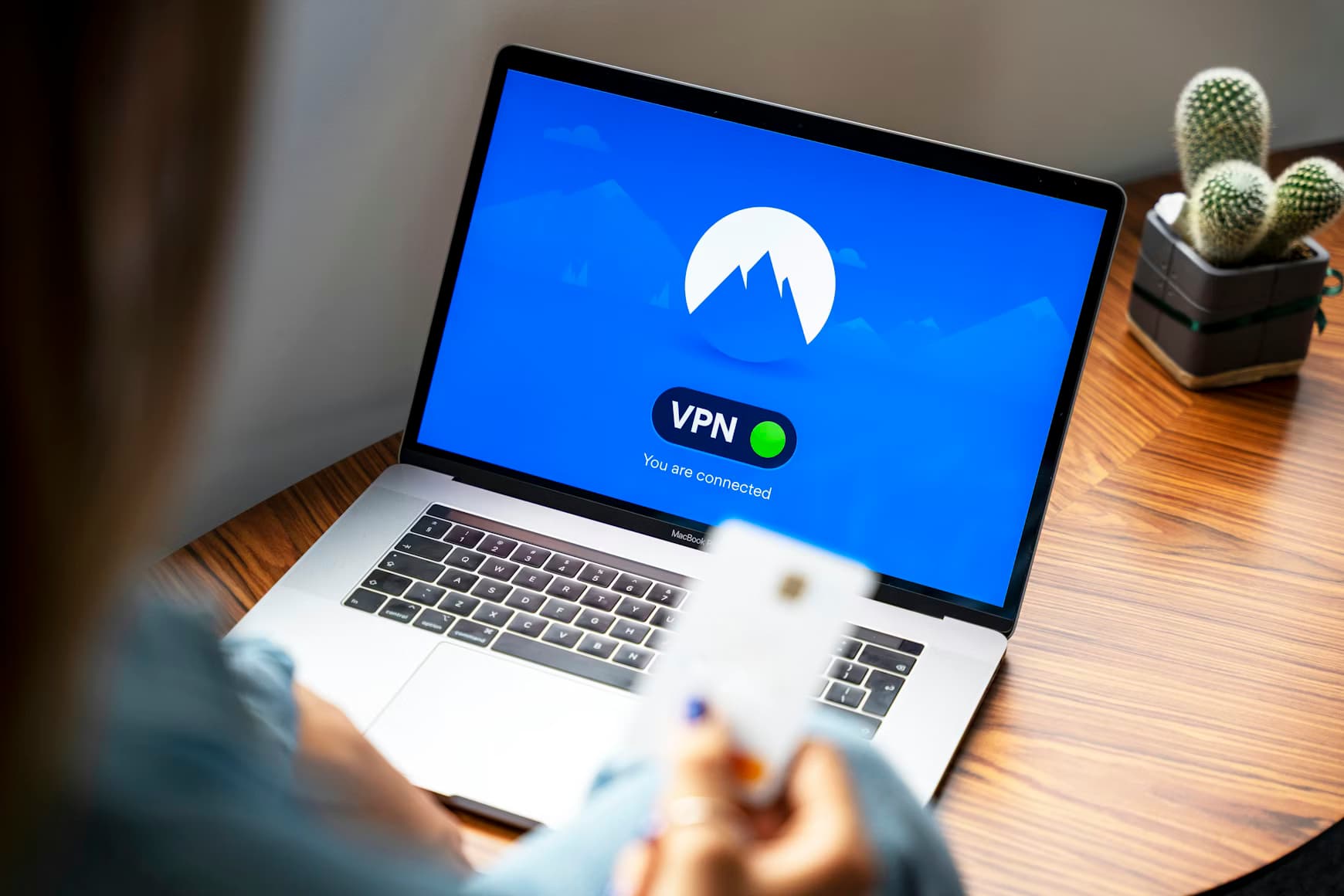
Somewhere around 2022, VPN apps started showing up in everyone’s phone like weather widgets. A 2024 survey by Security.org estimated that over 40% of internet users worldwide had tried a VPN at least once, and more than half of those went with a free one. The reasoning is obvious. If you can get encryption for zero rupees, why would you pay 200 or 500 rupees a month for the same thing?
It turns out there’s a real answer to that question, and it’s more complicated than “you get what you pay for.” Some free VPNs are genuinely useful within their limits. Others are worse than using no VPN at all. The distinction matters, and most comparison articles skip over it because they’re trying to sell you a subscription. So here’s what I’ve found after testing both categories over the past year.
If you’re not paying, someone else is. The question is how.
A VPN service requires physical servers in data centres around the world. Those servers need maintenance, bandwidth, security audits, and staff. None of this is cheap. Surfshark, a mid-tier paid provider, operates over 4,500 servers across 100 countries. NordVPN runs around 7,000. That infrastructure costs millions of dollars annually. A free VPN provider has the exact same expenses but no subscription revenue to cover them.
So where does the money come from? The most common answer is advertising. Free VPN apps serve ads inside the app, sometimes between connections, sometimes as persistent banners. That’s annoying but not necessarily dangerous. The more concerning model is data monetisation. A 2024 study found that 88% of free VPN apps on Android leaked some form of user data. Not all of those leaks were intentional sales to advertisers, but enough were that the statistic should give anyone pause. If your VPN is logging which websites you visit and selling that information to third-party data brokers, it’s doing the opposite of what you installed it for.
A third model is the freemium funnel. Companies like ProtonVPN offer a genuinely free tier with limited servers and one device, funded by their paying subscribers. Windscribe gives 10GB per month on the free plan. If you want to compare what’s actually available without spending anything, a solid completely free VPN roundup helps sort the legitimate options from the junk. These freemium providers have a clear incentive to keep free users happy because a percentage of them will eventually upgrade. This model is more honest, and it produces a better product, but it comes with real constraints. Slower speeds, fewer server locations, data caps.
What the subscription money buys (beyond the obvious)
The most visible difference is speed and server access. Paid VPNs spread their users across thousands of servers, so no single server gets congested. Free VPNs cram millions of users onto a handful of servers, and the result is exactly what you’d expect: buffering, timeouts, dropped connections. If you’re trying to stream a cricket match or make a video call, a congested server makes the VPN unusable.
But the bigger difference is in security infrastructure. Paid services invest in independent audits, where a third-party cybersecurity firm verifies that the provider isn’t logging user activity. NordVPN has been audited by Deloitte. Surfshark uses Cure53. ProtonVPN publishes open-source code so anyone can inspect it. Free VPNs almost never submit to external audits because audits cost money and can expose problems. A provider claiming a “no-logs policy” without an audit to back it up is asking you to take their word for it.
Then there are the features you don’t notice until they fail. A kill switch disconnects your internet if the VPN drops, so your real IP address doesn’t leak during the gap. Split tunnelling lets you route banking apps outside the VPN while keeping everything else encrypted. DNS leak protection ensures your domain requests don’t bypass the encrypted tunnel and go straight to your ISP. Most free VPNs offer none of these. Some don’t even use current encryption protocols, still running PPTP instead of WireGuard or OpenVPN, which is like locking your front door but leaving every window open.
When a free VPN is good enough (and when it really isn’t)
I don’t want to be absolutist about this. If you’re a college student on a tight budget who needs to access a research paper on a geo-restricted journal while connected to your university’s Wi-Fi, a reputable free VPN does the job. ProtonVPN’s free tier uses AES-256 encryption. Windscribe’s free plan includes ad blocking. For occasional, low-stakes browsing, these tools handle the basics without compromising your data, as long as you pick a provider with a transparent business model.
But the calculus changes fast. If you’re doing online banking on public Wi-Fi at a railway station, processing UPI transactions, filing taxes through a government portal, or handling client data for work, a free VPN’s lack of a kill switch, weak encryption, and absent audit trail become serious liabilities. The 200MB daily cap on Bitdefender’s free VPN is gone in about five minutes of active use. Cloudflare’s WARP is fast but doesn’t let you choose a server location, so it’s useless for bypassing geographic restrictions.
India’s 2022 CERT-In directive requiring VPN providers to log user data for five years also complicates things. Several international providers pulled their physical servers out of India in response. The EFF’s Surveillance Self-Defense guide makes a useful point here: choosing a VPN means choosing which entity you trust with your traffic, and jurisdiction matters. If you’re using a free VPN that still operates Indian servers, it’s worth asking whether that provider is compliant with the directive, and if so, what exactly they’re logging about you. Paid providers like ExpressVPN and Surfshark moved to virtual Indian servers hosted abroad. Most free providers didn’t say anything at all, which is not reassuring.
The honest summary is this: a free VPN from a reputable provider (ProtonVPN, Windscribe, Cloudflare WARP) is better than no VPN, especially on public networks. But if you handle sensitive data regularly, the cost of a paid service is ₹150 to ₹400 per month on annual plans, and the difference in protection is not marginal. It’s structural. You get audited no-logs policies, modern encryption, global server coverage, and features designed to catch the failures that a basic VPN won’t.
The question isn’t really free versus paid. It’s whether you know what your VPN is doing when you’re not looking at it. A paid provider with a published audit has an answer to that question. A free provider selling your data to advertisers also has an answer. Neither of them is a mystery. You just have to be willing to check.
 Follow our WhatsApp channel
