

ANKARA, Feb 7 : The European union is reportedly looking to rekindle its strained relationship with Turkiye, with EU Enlargement Commissioner Marta Kos stating that post-Ukraine war, Brussels will need a “strong partnership” with Ankara.
Relations between Ankara and Brussels have worsened in recent years amid stalled EU accession talks, disputes over the Customs Union, migration tensions, and the country’s contentious foreign policy.
Additionally, the bloc has accused Ankara of democratic backsliding and political repression by President Recep Tayyip Erdogan – allegations that the country has refuted, calling the charges politically motivated, while accusing Brussels of double standards.
Highlighting T?rkiye’s potential role as a regional powerbroker in the Black Sea, Kos, in a statement ahead of her visit to Ankara, wrote: “Peace in Ukraine will change the realities in Europe, especially in the Black Sea region. T?rkiye will be a very important partner for us.
“Preparing for peace and stability in Europe implies preparing a strong partnership with T?rkiye.”
During her visit, Kos met Turkish Foreign Minister Hakan Fidan, with both sides reaffirming T?rkiye’s status as an EU candidate country and underscoring cooperation on security, connectivity and economic integration.
Fidan further pressed the EU to urgently modernise the nearly 30-year-old Customs Union, which Ankara argues disadvantages Turkish exporters and restricts market access.
Progress on the Customs Union, however, remains tied to the long-running Cyprus dispute.
Amendments are contingent on Cyprus lifting its veto over Turkish participation, linked to Ankara’s refusal to allow Cyprus-flagged vessels to dock at Turkish ports.
Ahead of the Ankara talks, Kos also announced that the European Investment Bank would resume lending to T?rkiye, committing ?200 million in renewable energy loans after suspending new financing in 2019 over tensions related to Cyprus.
Although a member of NATO, T?rkiye has declined to join Western sanctions against Russia, maintaining close energy, trade and diplomatic ties with Moscow.
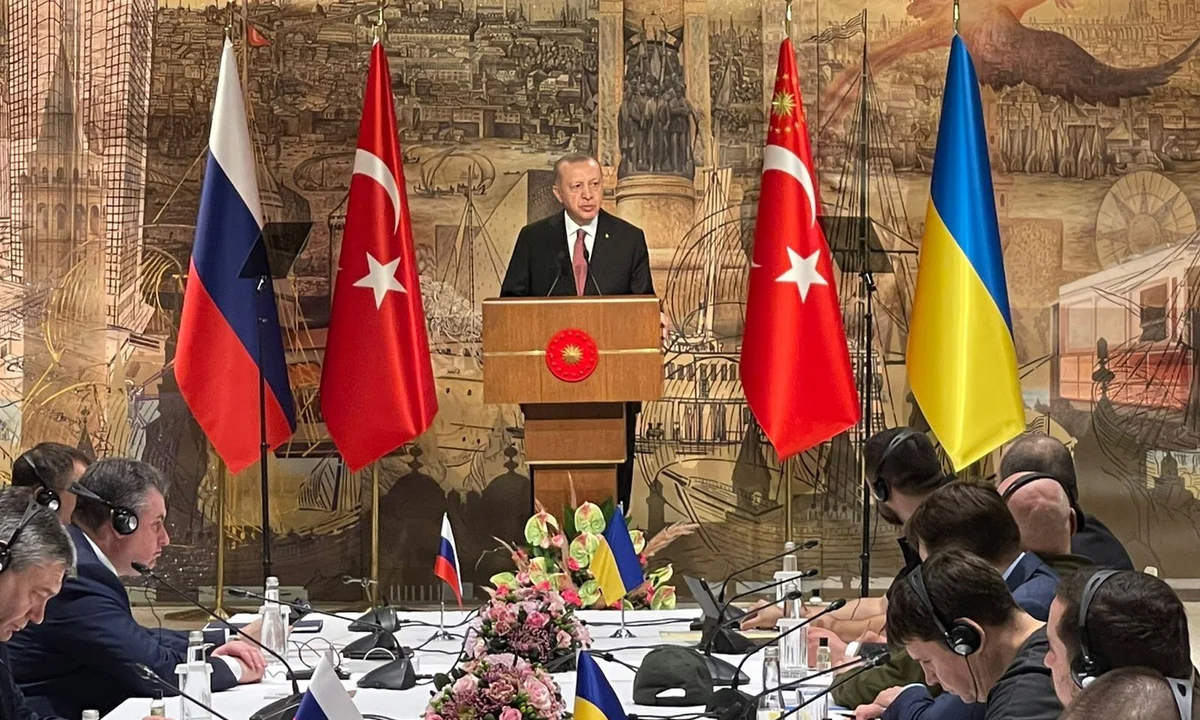
Ankara relies heavily on Russian gas and is hosting Russia’s Akkuyu nuclear power project. Simultaneously, it has positioned itself as a mediator, hosting Russia-Ukraine talks in Istanbul and brokering the now-defunct 2022 Black Sea Grain Initiative.
Turkish officials have repeatedly stressed their aim of balancing relations with both Moscow and Kyiv, portraying T?rkiye as a guarantor of regional stability.
Ankara has signalled conditional willingness to take part in post-conflict security or peacekeeping arrangements in Ukraine, provided there is a political settlement and an international mandate, though no formal commitment has been made.
Meanwhile, Moscow has firmly rejected any Western military presence in Ukraine, calling any foreign presence unacceptable.
Last month, Russian Foreign Ministry spokeswoman Maria Zakharova warned that Russia would treat any deployment of Western troops as “foreign intervention,” regardless of their position as “mediators” and “peacekeepers. (UNI)
 Follow our WhatsApp channel
