

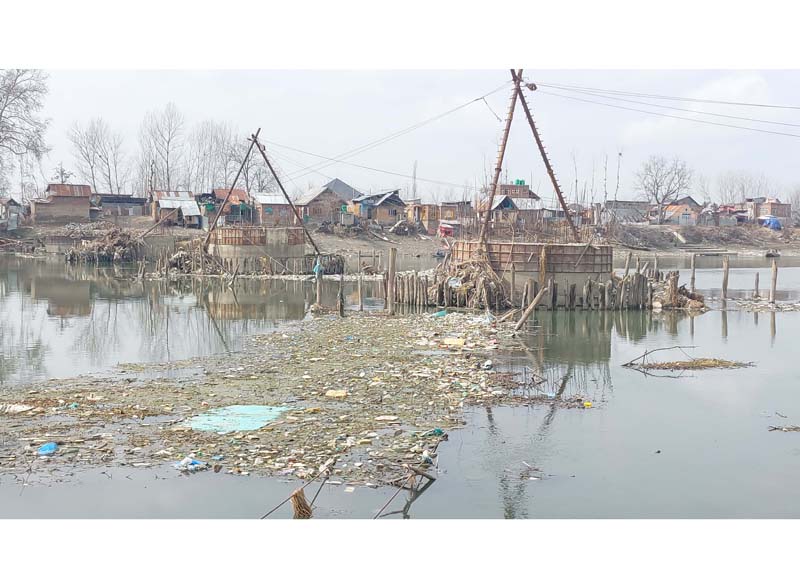
The prolonged delay in completion of the Guzhama bridge in Ganderbal is an instance of administrative inefficiency, reflecting a systemic inertia that continues to plague public infrastructure projects in Jammu and Kashmir. A bridge whose foundation stone was laid in 2008 remains incomplete even after a decade and a half, despite nearly Rs 9 crore already spent. What stands today are just four pillars-silent symbols of bureaucratic delay and broken promises. This is a familiar and troubling pattern: projects are launched with fanfare, funds are allocated and partially utilised, and then work grinds to a halt, leaving the initiative in prolonged limbo. Assurances by senior functionaries, including a recent commitment by the Deputy Chief Minister to resume work within three months, have failed to translate into action even after six months.
The consequences of this delay are not abstract-they are deeply human. Residents of multiple villages continue to depend on boats for crossing the river, exposing themselves daily to risk. Patients, students, and even mourners are forced into precarious journeys, highlighting the sheer urgency of the situation. The tragic account of transporting a deceased person by boat for burial underscores the indignity and hardship faced by locals. Beyond human suffering, the economic cost is equally significant. The absence of the bridge forces commuters to take longer routes via Sumbal, leading to avoidable fuel consumption and loss of productive hours. Over the years, this translates into substantial economic inefficiency.
What is particularly concerning is how the project now appears to be “no one’s baby.” With fresh financial sanction pending, and procedural hurdles such as land acquisition clarifications surfacing after years, the project has effectively been pushed into bureaucratic cold storage. The move to shift it under the Central Road and Infrastructure Fund further indicates a lack of ownership at the local level. This exposes deeper structural issues: prolonged procedural delays, lack of accountability, and absence of time-bound execution mechanisms. There is an urgent need for intervention at the highest level to streamline processes, fix responsibility, and ensure continuity in project execution irrespective of political transitions. Making the system work without political reasoning should also be a priority. Infrastructure is not merely about construction-it is about delivering dignity, safety, and efficiency to people’s lives. The residents of Guzhama and adjoining areas deserve more than assurances; they deserve timely solutions now without further delays.
 Follow our WhatsApp channel
