

Nawshaba Iqbal
Srinagar, Jan 21: Amid winter, with sub-zero temperatures, traditional heating devices are facing stiff competition from modern alternatives in Kashmir. Among them, electric Hamams are emerging as a preferred choice for households seeking efficient and hassle-free warmth.
Households that have switched to electric Hamams underline their convenience and cost-effectiveness over the traditional ones.
Mir Elyas Mubeen, a Srinagar resident who has been using the electric Hamam for the last five years said that it is easy to handle and gives a four-to-five-hour backup even after running for just an hour.
“It’s a better alternative to the traditional Hamam; it is easy to handle, with a simple switch users can enjoy the warmth.”
It is to be noted here that for centuries, traditional stone Hamams-featuring stone slabs heated by firewood-have been a key feature of Masjids in Kashmir, which was then gradually introduced into homes.
These Hamams, built using locally sourced Devri stone, require extensive labour and incur high costs.
However, the advent of electric Hamams has brought a more accessible option to the fore, making heating easy, affordable and cost effective.
“Traditional Hamams are much costlier,” says Fayaz Ahmad, a carver from Bandipora who specializes in Devri stone. “The stones are expensive, and installation is labour-intensive.”
In contrast, electric Hamams offer simplicity and affordability. Operating costs are another key advantage of these Hamams over the traditional ones.
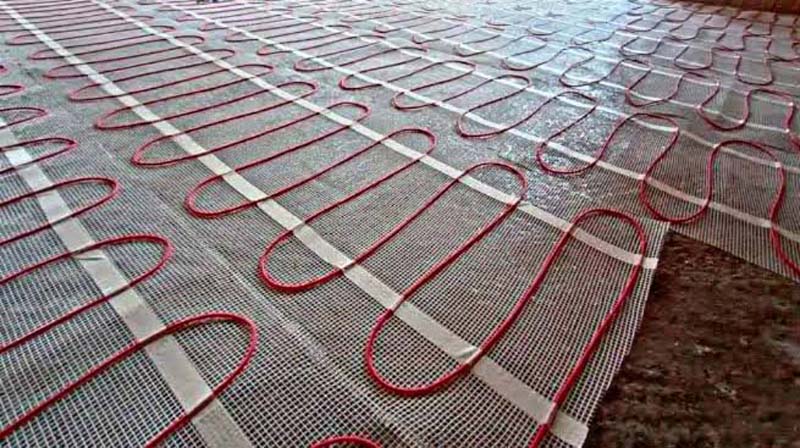
These electric Hamams boast advanced technology, including dual fluoropolymer coatings and glass mesh, making them energy-efficient and safe for use in wet areas.
“With just a switch, users can enjoy warmth,” said Mir Mohsin, Manager at Magnet Group, a company that has already installed electric Hamams across various Kashmir districts with zero complaints.
Mohsin stressed that the electric Hamams are completely waterproof and pose no risk of electric shock.
“They are also environment friendly and provide heat for up to seven to eight hours after just two to three hours of use,” he elaborated.
According to Mohsin, the average monthly electricity bill for continuous use ranges between Rs 1,500 and Rs 1,800, which, as per him, makes it a viable option for families during the long, cold winters.
The modern alternatives to traditional heating methods are now widely appreciated for their convenience and energy efficiency, providing a practical way to combat the harsh winters.
 Follow our WhatsApp channel
