

Suhail Bhat
SRINAGAR March 11: Despite widespread use of smartphones and digital alarms, traditional drummers known as Sehar Khans continue to walk through neighbourhoods across Kashmir during Ramadan in the middle of night to wake up faithful for the pre-dawn meal.
The tradition, locally known as Sahar-Khwani, remains an enduring part of Ramadan in many parts of the Valley. Every night, drummers walk through narrow lanes and neighbourhoods, beating their drums and reciting devotional verses to wake residents before the daylong fast begins.
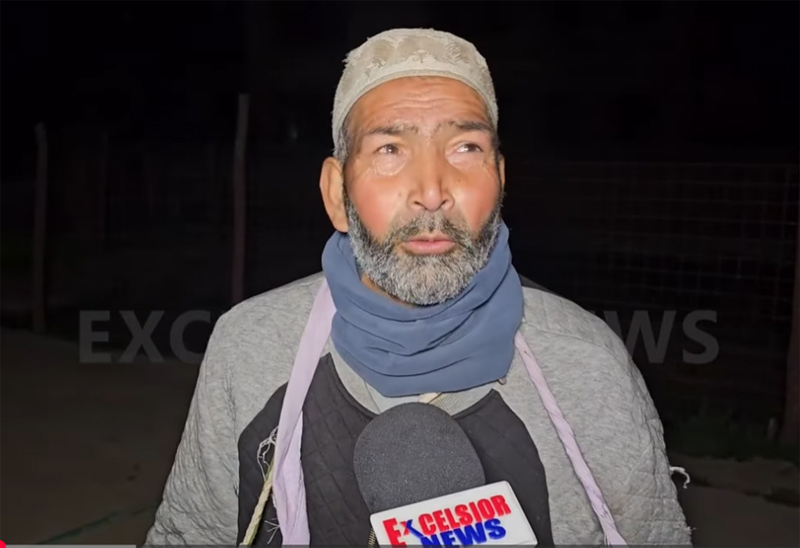
One such drummer is Mohammad Sidiq from Srinagar’s Saidpora area. For the past 26 years, he has been stepping out into the quiet streets before dawn, walking long distances as the rhythmic sound of his drum echoes through the darkness.
“It fills me with joy to wake people for Sehri,” Sidiq said. “This work is not just about money; it is about preserving our culture and earning blessings.”
While modern technology has made waking up easier, many residents say the call of the Sehar Khans carries a cultural and emotional significance that alarms cannot replace. “Hearing the Sehar Khan’s voice in the middle of night refreshes us,” said Nissar Ahmad, a Srinagar resident. “It reminds us of our heritage and the spirit of Ramadan.”
For some, the practice is also a seasonal livelihood. Mohammad Qasim, 35, from the Kalarus area of Kupwara, travels to Srinagar every Ramadan and has been doing so for the past 15 years.
Along with his brother, he now covers more than 20 localities in the city. “This is not just about earning a livelihood,” Qasim said. “More importantly, it is about the spiritual rewards we receive for waking people for Sehri.”
The brothers arrive in Qamarwari around two weeks before Ramadan begins and stay there with the support of local residents. “People here are generous. They help us with accommodation and other essentials,” he said. “Their warmth keeps this tradition alive.”
In recent years, some Sehar Khans have even gained attention on social media for their distinctive styles of recitation and drumming. “Phone alarms never wake me up,” Muzzamil, a resident of Qamarwari said. “But when I hear the drumbeats mixed with traditional songs and naats, I wake up immediately. It is soothing.”
For Mohammad Yousuf, a Sehar Khan from Anantnag district, the tradition is deeply personal. For over two decades, Ramadan has meant stepping out into the cold night to wake others for their pre-dawn meal.
“For 26 years, I have eagerly waited for Ramadan to perform this service,” Yousuf said. “When I step out at 2 a.m., it feels like a new beginning. Walking three to four kilometres in the darkness to wake people for Sehri is a blessing.”
 Follow our WhatsApp channel
