

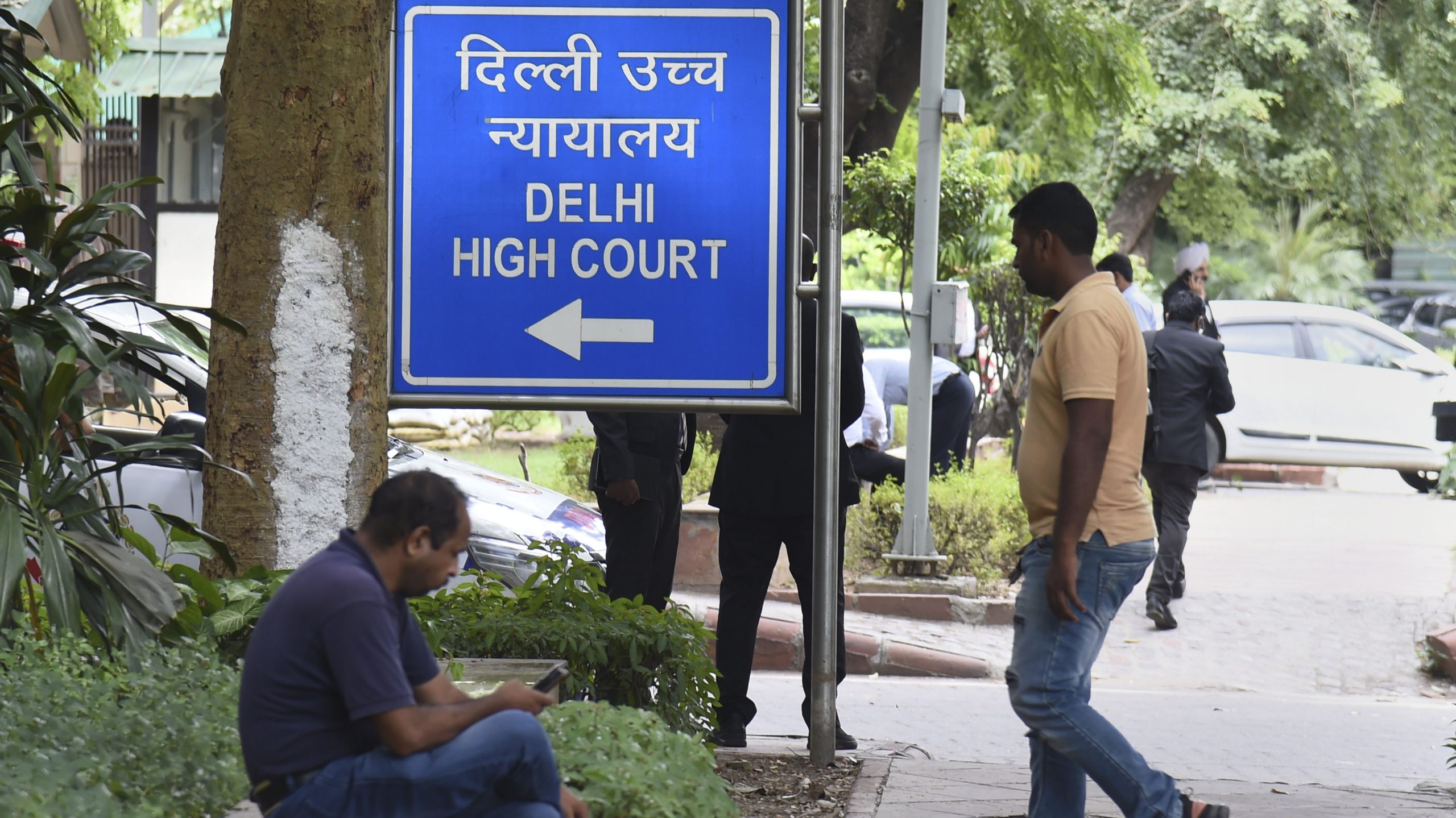
NEW DELH, Dec 24: A special UAPA court in Delhi on Wednesday discharged two people, including an accused involved in Batla House encounter, of conspiring to revive the banned terrorist organizations Students Islamic Movement of India (SIMI) and Indian Mujahideen (IM) in the country, citing a complete absence of admissible evidence to frame charges against them.
The court discharged Abdul Subhan Qureshi (alias Abdus Subhan, Tauqueer, Abdul Rehman) and Ariz Khan (alias Junaid, Salim) from the case registered under the stringent Unlawful Activities (Prevention) Act (UAPA) and the Indian Penal Code (IPC).
The court’s decision highlights critical investigative loopholes, relying heavily on inadmissible confessional statements and past cases without linking them to a specific, new offense in the present matter.
The case was lodged by the Special Cell of the Delhi Police. The case stems from intelligence gathered after a 2014 blast in Bijnor. The prosecution alleged that Abdul Subhan Qureshi was a “main conspirator” tasked by SIMI and IM leaders based abroad-including Riyaz and Iqbal Bhatkal-to re-establish the terror networks in India.
According to the charge sheet, a key meeting took place in Riyadh, Saudi Arabia, where plans were hatched for Qureshi and Khan to return to India, reactivate sleeper cells, and avenge the deaths of SIMI cadres killed in police encounters in Telangana (2015) and the Bhopal jailbreak (2016).
Abdul Subhan Qureshi was first arrested on January 20, 2018, by Delhi Police’s Special Cell after a brief exchange of fire in a separate case. He was subsequently arrested in the present conspiracy case on February 3, 2018. His interrogation reportedly led to the arrest of Ariz Khan-who was also an accused in the infamous 2008 Batla House encounter case-from the India-Nepal border on February 14, 2018.
In a detailed 10-page order, the UAPA court pointed out fundamental flaws in the prosecution’s case. The core of the prosecution’s material comprised the “disclosure/confessional statements” of the accused made to the police. The court reiterated settled law that such statements are inadmissible as evidence unless they lead to the discovery of a fact (as per Sections 25, 26, 27 of the Indian Evidence Act).
The prosecution admitted that no such recovery was made based on these statements.
Crucially, the Investigating Officer (IO) himself stated on record (on February 12, 2024) that no separate incident or crime, apart from the other FIRs in which the accused were already facing trial in various states, was investigated in this case. The present FIR was registered only to probe their alleged “role” and “efforts to revive SIMI & IM,” but no concrete, new unlawful act was uncovered.
The charge sheet heavily relied on a list of 35 other cases and their charge sheets against the accused. The court held that these documents, pertaining to different cases, do not by themselves create a “grave suspicion” of the accused committing the specific offences alleged in this case-conspiracy to revive banned organizations (UAPA Sec 18/20) and waging war against the country (IPC Sec 120B).
The court noted that the witness list mainly consisted of officials meant to prove the existence of other FIRs or the prosecution sanction under UAPA. None provided direct evidence of the conspiracy alleged in this case.
The court applied the legal principle that at the charge-framing stage, it must find if there is a prima facie case revealing “grave suspicion.” While the threshold for framing charges is low, the evidence must be admissible and indicative of the alleged crime.
“There is absolutely no admissible material on record to show or raise a grave suspicion against both the accused persons that they entered into a conspiracy to revive activity of banned terrorist organisation SIMI and IM in India,” the court noted.
Consequently, both accused were discharged. The court ordered their release from judicial custody, provided they are not required in any other case. (UNI)
 Follow our WhatsApp channel
