

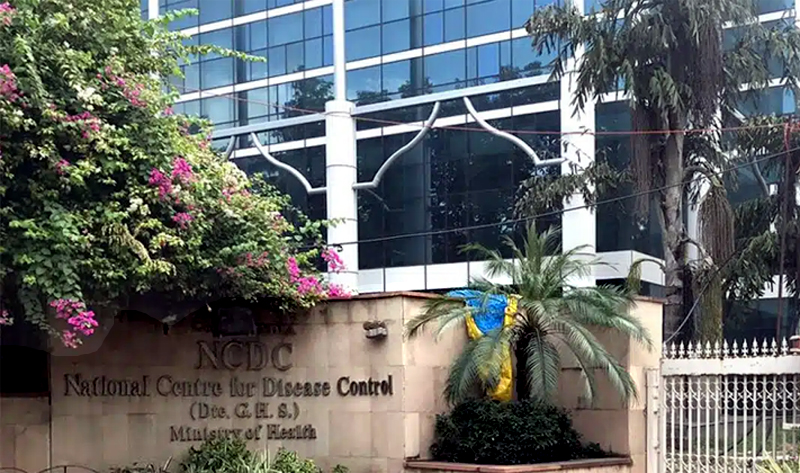
Three years after the announcement of a National Centre for Disease Control (NCDC) branch in Jammu, the project remains a non-starter-locked in bureaucratic limbo and representative of a troubling trend in Jammu and Kashmir’s development narrative. While other states have moved forward with operational NCDC branches, Jammu’s long-promised facility is still caught in paperwork, half-hearted inspections and inertia. The site at KotBhalwal-meant to be a cornerstone of disease surveillance and rapid response-continues to languish as a derelict former hospital, fenced only by official indifference. The importance of such a facility cannot be overstated. In the aftermath of the COVID-19 pandemic, establishing regional NCDC branches was not just an administrative decision but a national imperative. The Jammu centre was envisioned to detect, diagnose, and manage emerging diseases such as Zika, Nipah, Rabies and new Covid variants. It was also expected to train health professionals and run a 24×7 disease monitoring system, acting as the region’s first line of defence in case of outbreaks. Yet, that defence remains hypothetical while pathogens do not wait for paperwork.
The formal land transfer in 2024 and a recent MoU between the J&K Government and NCDC offer only the illusion of progress. Even the basic fencing of the land or demolition of the old hospital structure-steps that require minimal resources-are pending. This signals not just procedural delays but a deeper malaise of administrative apathy and lack of political urgency. As with many other projects in Jammu and Kashmir, grand announcements are made with much fanfare, but tangible execution remains elusive. Public health is not a luxury-it is a necessity. The people of Jammu and Kashmir have every right to question whether the administration is serious about learning from COVID-19. The absence of this facility leaves the UT vulnerable and unprepared for future emergencies.
It is time for the Government-both at the Centre and in the UT-to intervene directly. A weekly progress review must be institutionalised, bottlenecks identified and cleared, and accountability fixed at every level. Delays here are not just administrative lapses-they are potential catalysts for future disasters.
 Follow our WhatsApp channel
