

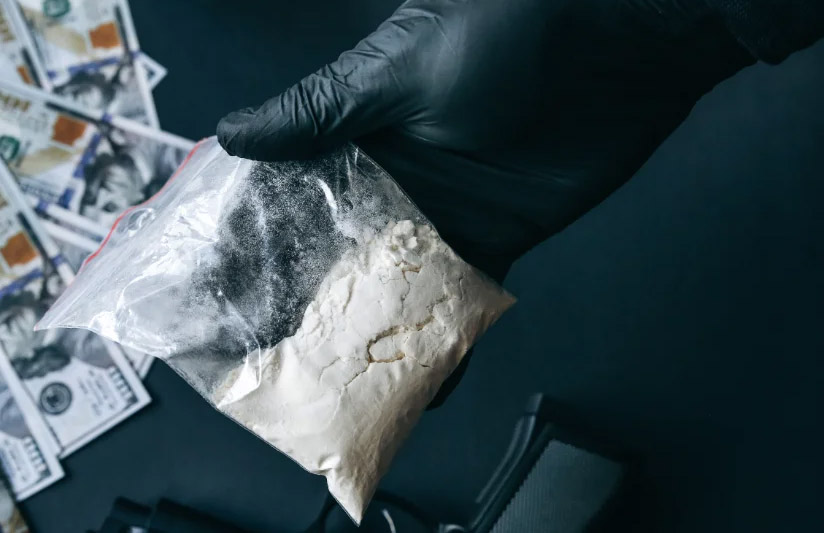
The crackdown by the Srinagar Police on narcotics smuggling, which has led to the freezing of over 100 bank accounts allegedly linked to drug trafficking, marks a pivotal moment in the battle against this insidious menace. These accounts, containing deposits amounting to several lakhs of rupees, were reportedly used to facilitate illicit activities that have long jeopardised the safety and well-being of communities, particularly the youth. This decisive action underscores the need for a multi-faceted and comprehensive approach to tackling the drug trade. Drug trafficking is a global scourge that transcends borders, inflicting severe social, economic, and health-related consequences. Its ripple effects are felt most acutely in local communities, where the availability of narcotics poses a grave threat to public health and social stability. In Srinagar, the proliferation of narcotics and psychotropic substances has been linked to a rise in addiction rates, particularly among vulnerable youth. The societal costs of this crisis-broken families, increased crime rates, and a strained healthcare system-are incalculable. Therefore, the action taken by the Srinagar Police is commendable and essential to curbing the menace at its root.
The freezing of these bank accounts is not an isolated measure but part of a broader, well-coordinated effort under the Narcotic Drugs and Psychotropic Substances Act. By targeting the financial underpinnings of drug trafficking networks, the authorities have dealt a significant blow to their operational capabilities. Money is the lifeblood of such criminal enterprises, and blocking access to these resources disrupts their activities while serving as a deterrent to others involved in similar crimes. Additionally, the attachment of movable and immovable properties valued at crores of rupees allegedly acquired through proceeds of the drug trade, sends a strong message that illicit gains will not be tolerated. The use of Section 68F(2) of the NDPS Act to attach these properties demonstrates the resolve of law enforcement agencies to employ all available legal tools to dismantle these networks comprehensively.
The detailed scrutiny of transactions associated with these bank accounts is a critical step in tracing the flow of illicit funds. Drug trafficking is often linked to other forms of organised crime, including money laundering, terror financing, and human trafficking. By following the money trail, law enforcement agencies can uncover the broader networks that enable these activities, potentially leading to the apprehension of key players and the dismantling of entire syndicates. Moreover, this financial analysis can provide valuable insights into the patterns and methods employed by traffickers, enabling more targeted and effective interventions in the future.
While the efforts of the police are laudable, community involvement is crucial. Drug abuse and trafficking thrive in the shadows, often hidden in plain sight. Members of the community-parents, teachers, social workers, and local leaders-are often the first to notice the signs of drug abuse or suspicious activities. The police’s call for public cooperation, urging citizens to report drug-related activities by contacting their nearest police station or dialling 112, is a step in the right direction. However, these initiatives must be supported by robust awareness campaigns to educate the public about the dangers of drug abuse and the importance of their role in combating it. Workshops, seminars, and outreach programs in schools and colleges can help sensitise young people, who are most at risk, about the perils of narcotics.
Enforcement and punishment must be complemented by measures focused on prevention and rehabilitation. Addiction is also a health issue that requires compassionate and evidence-based approaches. Establishing more rehabilitation centres, providing counselling services, and ensuring the availability of medical treatment for those struggling with addiction are critical steps in breaking the cycle of abuse. The fight against drug trafficking requires sustained effort and collaboration among various stakeholders, including law enforcement agencies, the judiciary, healthcare providers, educators, and the community at large. The road ahead is long and fraught with challenges, but the steps taken so far are inspiring.
 Follow our WhatsApp channel
