

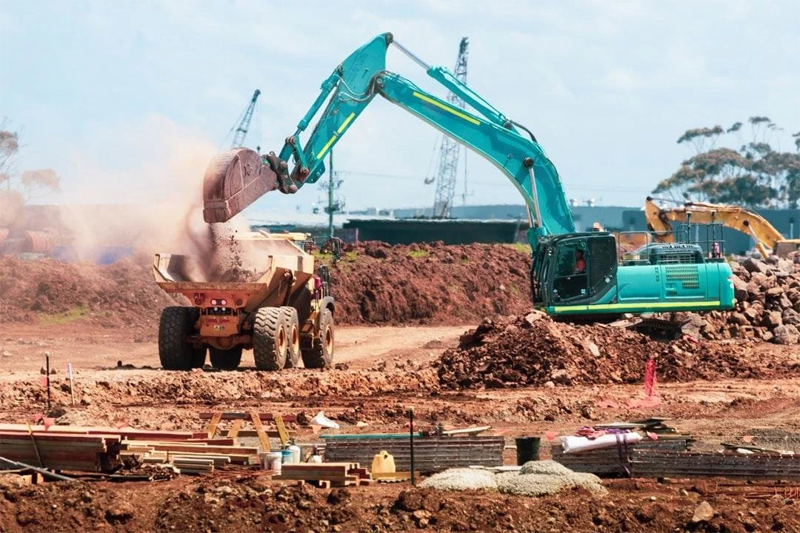
The rapid expansion of infrastructure across Jammu and Kashmir has placed policymakers in a difficult and delicate position-how to sustain the unprecedented demand for construction material while protecting the fragile ecology and public health. The recent disclosure about the establishment of new stone crushers and hot mix plants alongside the closure of several violating units highlights this policy dilemma rather than resolving it. J&K is witnessing a massive infrastructure boom. Highways, tunnels, rail connectivity, urban expansion, and rural development projects have multiplied the demand for aggregates, sand, and bitumen-based materials. Naturally, local production capacity is expected to expand to support this transformation. However, the lack of procedural clarity, delays in approvals, and fear of legal consequences have widened the gap between demand and supply.
The consequence is visible on the ground. Construction material is increasingly being imported from neighbouring Punjab. This not only leads to massive revenue leakage but also deprives local youth of employment opportunities in mining, transportation, and allied sectors. A region that is sitting on natural resources is ironically forced to depend on external markets due to regulatory uncertainty and enforcement inconsistencies. At the same time, environmental concerns cannot be brushed aside. River ecosystems in J&K are extremely sensitive, and unregulated mining or pollution from crushers can permanently damage water sources, agriculture, and public health. Supreme Court and NGT guidelines exist for a reason, and they must remain the foundation of policy enforcement. But environmental governance must operate on practical, technology-driven parameters rather than outdated or ambiguous procedures. The bigger concern lies in allegations of rampant illegal mining during night hours and the operation of crushers without valid permissions. When norms are openly flouted, statistical achievements lose meaning. Enforcement must be visible, continuous, and technology-backed, especially through GIS monitoring, satellite tracking, and real-time inspections.
Another alarming dimension is price escalation. Construction material prices have increased manifold in recent years. In many cases, market rates are far above officially fixed prices, yet there is no effective monitoring mechanism. This directly impacts common citizens building homes, small contractors, and public projects, ultimately increasing the cost of development itself. It’s time to streamline approvals, ensure strict but practical environmental safeguards, curb illegal mining through technology and enforcement, and regulate market pricing. Development and environment cannot be treated as competing priorities. Balancing sustainable growth while protecting natural and human ecosystems alike is the key.
 Follow our WhatsApp channel
