

Vital body ‘toothless’ due to lack of adequate manpower
Issue discussed in various meetings but no serious action
Mohinder Verma
JAMMU, Mar 2: Even nearly four decades after its constitution, the Katra Development Authority continues to reel under acute manpower crisis and the prevailing situation is impacting planning, regulation and effective enforcement of the laws governing urban sector in one of the region’s most important pilgrimage hubs.
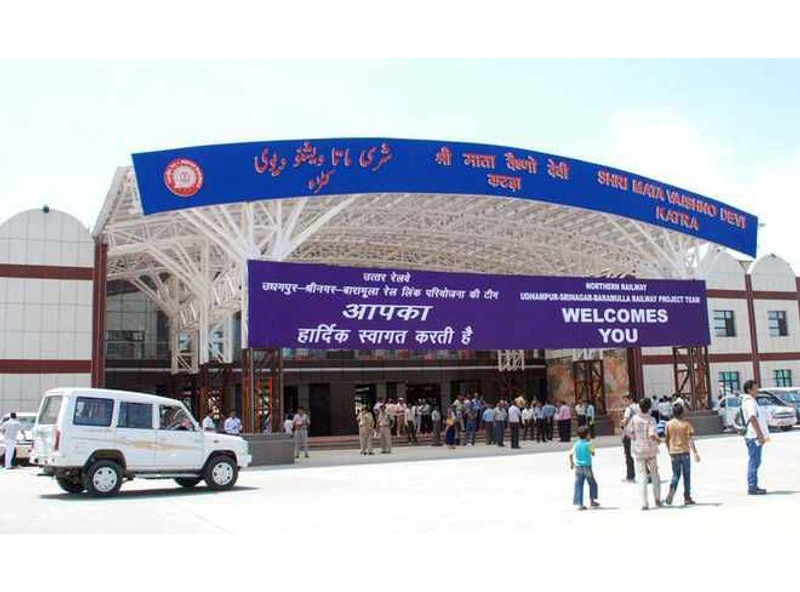
The Katra Development Authority was constituted vide SRO-579 dated September 12, 1986 to ensure regulated growth of Katra town, the base camp for lakhs of pilgrims visiting the holy cave shrine of Shri Mata Vaishno Devi Shrine.
Follow the Daily Excelsior channel on WhatsApp
A staff pattern comprising 13 posts, 2 gazetted and 11 non-gazetted, was sanctioned much later through SRO-855 and SRO-865 dated October 26, 2019. However, the Authority has never been provided manpower as per the sanctioned strength, what to talk of increasing the manpower keeping in view expansion of its jurisdiction over the years.
At present, more than half of the sanctioned posts remain vacant, severely hampering regulatory and enforcement functions. One post each of Secretary, Accountant, Assistant Town Planner, Enforcement Officer, Senior Assistant and Gangman are lying vacant since long. Even the office of the Katra Development Authority is accommodated in a private building at Kotlibajalian on temporary basis.
Several years ago, a mid-term revision of the Master Plan for Katra town was undertaken in view of unprecedented commercial expansion and improved railway connectivity which transformed the town into a rapidly growing urban hub.
Following the revision the planning jurisdiction expanded from 11.06 square kilometers to 79.56 square kilometers, and the Master Plan became applicable to 31 villages, including the main township.
The Government was expected to enhance the sanctioned staff strength simultaneously with such a massive expansion. However, the sanctioned manpower remained stagnant despite a sevenfold increase in area and regulatory responsibilities, official sources told EXCELSIOR.
They said that the sanctioned strength has not been revised even once till date and vacancies arising over time have not been filled, leading to continuous depletion of available manpower.
Describing the situation as alarming, they alleged, “a blind eye is being maintained towards the Authority’s weakening administrative structure despite the fact that the manpower crisis has direct consequences on ground enforcement”.
“Monitoring of construction activities across 31 villages has become practically impossible; deviations from land use norms often remain undetected; illegal commercial expansion continues unchecked and violations of the Master Plan are frequently addressed only at a belated stage when corrective action becomes difficult”, sources said.
Is it possible to effectively implement urban laws in the absence of adequate planners, engineers and enforcement staff? Sources asked. “It is really shocking that till date the Housing and Urban Development Department, which is having administrative control over the Katra Development Authority, has not come out with a clear stand about making the Authority fully functional”, they added.
As per the sources, the issue was discussed in numerous official meetings and every time promises were made by the senior officers of the Housing and Urban Development Department about resolving the manpower crisis but no serious follow-up action was taken.
Even in the Budget Session of the Legislative Assembly the issue was raised by the elected representative from the area but despite admitting the crisis the Housing and Urban Development Department preferred to remain silent over the definitive road-map for strengthening the Katra Development Authority.
“Expanding jurisdiction without increasing manpower defeats the very purpose of creating a Development Authority”, sources said, adding “Katra, driven by pilgrimage tourism, railway connectivity and growing commercial investment, is undergoing rapid transformation. Without an empowered regulatory body, unplanned construction, congestion and infrastructure stress could permanently alter the character of the pilgrimage town”.
 Follow our WhatsApp channel
