

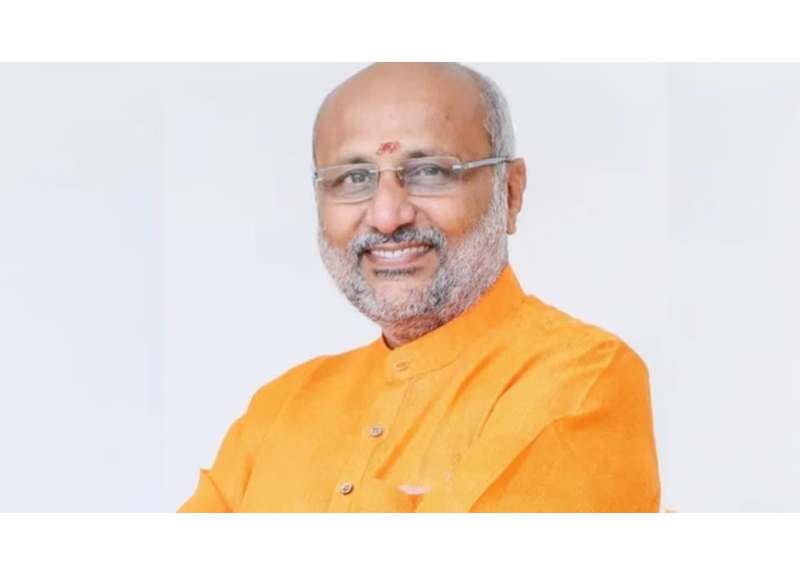
The election of C P Radhakrishnan as the 15th Vice President reflects once again the dynamism of Indian democracy, where constitutional processes are strengthened through active participation, spirited contest, and careful consensus-building. While the result was never really in doubt-given the BJP-led NDA’s clear numerical advantage-the meticulous effort of the ruling alliance to secure a wider base of support demonstrates both political acumen and the importance of parliamentary floor management in India’s complex democracy. Out of 781 MPs, an impressive 767 cast their vote, with 752 found valid. Radhakrishnan secured 452 votes against the Opposition nominee and former Supreme Court judge B Sudershan Reddy’s 300, comfortably surpassing the required majority of 377. The margin of victory was not just a confirmation of the NDA’s strength but also an indication of cross-voting from Opposition benches, an outcome almost inevitable in any secret ballot election. This points to the enduring truth of Indian parliamentary politics: conscience votes, back-channel negotiations, and subtle persuasion are intrinsic to the system.
Significantly, the choice of Radhakrishnan as a candidate reflects a deeper political strategy. A seasoned leader from Tamil Nadu with an RSS background, his elevation underscores the BJP’s long-term commitment to expand its footprint in southern India. The party may have little direct stake in Tamil Nadu at present, but this decision signals intent. By placing a Tamil leader in one of the nation’s highest constitutional offices, the BJP has positioned itself as a party that looks beyond its current bastions, investing in symbolic as well as substantive outreach to regions where its presence has been marginal. In the long run, such gestures strengthen the party’s acceptability across the country.
For the Opposition, the outcome is undoubtedly a setback. Their nominee, Sudershan Reddy, failed to prevent cross-voting, and the united front they had claimed to maintain appears less than watertight. Yet, they may still point to a moral gain-an increase in their vote share compared to the last Vice Presidential election. However, moral victories have limited utility unless translated into organisational coherence and strategic foresight. The Opposition has a long way to go in matching the BJP’s political planning and coordination, as this election has made evident once again.
Beyond the electoral arithmetic lies the larger responsibility of the VP as Chairperson of the Rajya Sabha. The upper house of Parliament has in recent years witnessed frequent disruptions, acrimony, and adjournments, eroding the quality of legislative debate. In his first remarks after the result, Radhakrishnan rightly stressed that with the election now over, politics must give way to parliamentary responsibility. Every member, across party lines, has a duty to ensure that the Rajya Sabha functions with dignity, decorum, and efficiency.
It is also clear that this election has set the stage for new political equations. The BJP leadership, while confident of a victory, did not rest on mere arithmetic. The quiet support or tacit neutrality of parties such as the YSR Congress, BJD, and BRS, as well as reports of AAP and RJD MPs voting in favour of the NDA candidate, point to shifting alignments that will influence the functioning of the next Parliament session. The BJP’s ability to attract support beyond its declared allies signals a maturity in coalition politics and confirms its hold over parliamentary processes. For the Opposition, this should serve as a wake-up call to strengthen its unity and floor strategy or risk further erosion of credibility.
The Vice Presidential election has once again highlighted the importance of consensus in democracy. While numbers determine the winner, legitimacy is reinforced by the extent of acceptance across the spectrum. Radhakrishnan’s decisive win, the BJP’s meticulous preparation, and the cross-voting that occurred all reflect the living, breathing nature of India’s parliamentary democracy. As the new VP prepares to take charge, the hope is that the spirit of consensus witnessed during the election will carry forward into the functioning of Parliament itself. The challenges before the nation demand nothing less than cooperation, debate, and shared responsibility from all political actors.
 Follow our WhatsApp channel
