

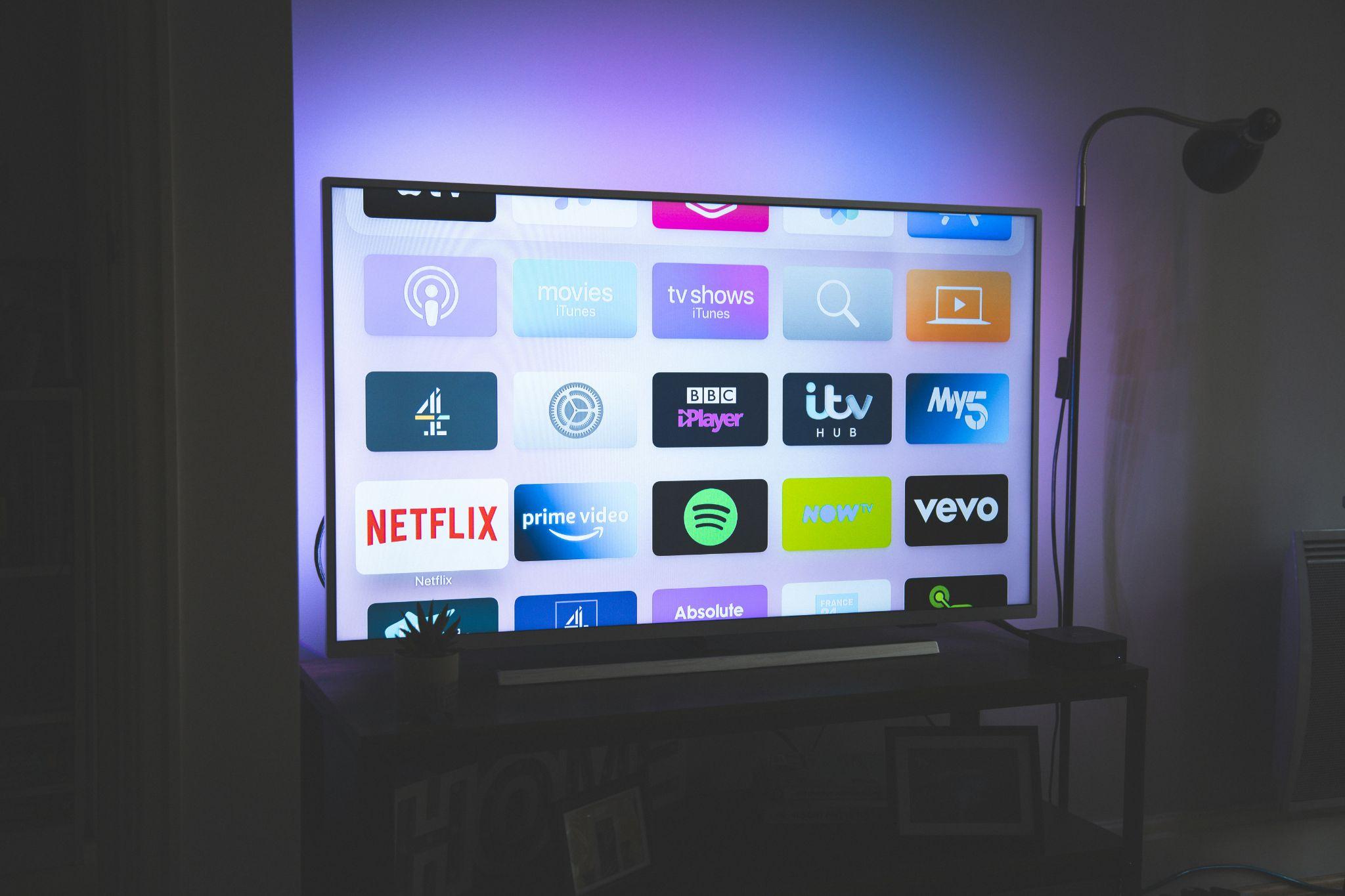
Streaming no longer lives on the laptop’s lap. As connected TVs proliferate and interfaces grow smarter, the big screen has become streaming’s default stage, reshaping content discovery, advertising, and how families watch together in the living room.
The big-screen shift
The living room has always promised comfort, but connected TVs are turning that comfort into their own ecosystem. Today’s home screens don’t just list apps; they curate viewing paths with rows that blend platforms, genres, and personal preferences. Nowadays, viewers have to browse a single, TV-first layer that learns what they like and when they watch, instead of searching in different services and channels. This shift is reducing friction and expanding time spent on the big screen, critical for streamers chasing loyalty and lower churn.
Hardware is also pushing the change. Smart TV operating systems update over the air, adding faster search, voice navigation, and universal watchlists. HDMI devices extend older sets, while gaming consoles double as streaming hubs. For households, the effect feels simple: the TV is once again the first click, not the fallback. Moreover, CTVs allow direct smartphone connection. Thus, those who play live dealer casino games can use the larger TV screen instead of their diminute (in comparison) mobile phone, enhancing their immersion.
Content is adapting as well. Live sports and news, long the stronghold of cable, now arrive though dedicated apps, FAST channels, and pay-per-view options. Appointment viewing returns in a new suit: game nights, premieres, and live events that pull friends and families back to the couch at the same time. Even more niche genres can find audiences via themed linear streams that play continuously, a throwback with modern personalization.
New economics: attention, advertising, and accountability
As streaming conquers the living room, business models are recalibrating. Ad-supported tiers aren’t just a discount, but the new growth engine. Does it sound familiar? That’s old TV back! Brands want reach and frequency on the biggest screen, where attention is less fragmented than on mobile. CTV answers with precise targeting, dynamic creative, and interactive formats that invite viewers to learn more without leaving the couch.
Measurement in this new ecosystem is improving as well. Cross-platform panels, automatic content recognition on devices, and privacy-safe data collaborations are making it easier to compare CTV impressions with linear TV and digital. The result is campaigns that feel broadcasted-sized but report like digital, down to outcomes such as app installs, subscriptions, or store visits. For streamers, that accountability justifies lower prices on ad tiers while keeping overall revenue per user healthy.
The living room also changes product strategy. Interfaces elevate “house” originals, but they now spotlight rentals, live events, and branded experiences that monetize beyond subscriptions. Partnerships matter more: sport leagues, device makers, broadband providers, and retailers stitch together bundles that feel seamless on TV. At the same time, discovery becomes an asset; as platforms that surface the right title in under 30 seconds win the nightly battle against choice overload.
For the audience, the victory is comfort and control. Only one remote, one search band, and a watchlist that spans services. For creators, the big screen restores cinematic impact without abandoning streaming’s flexibility. And for marketers, CTV delivers the rare combination of attention and measurable performance.
 Follow our WhatsApp channel
