

Excelsior Correspondent
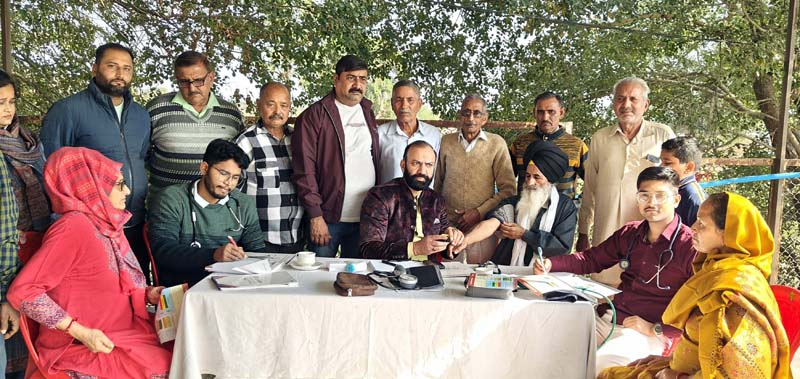
Jammu, Nov 23: In view of recent climate change and upcoming winter season, head department of cardiology GMCH Jammu Dr Sushil Sharma held a day long cardiac awareness-cum-health-checkup camp at Vishwakarma Temple Mishriwala, Jammu with main focus to reduce the impact of winter season on cardiac ailments and decrease the morbidity and mortality.
While interacting with the people, Dr Sushil stated that cold weather exerts a significant influence on cardiovascular health by triggering a physiological response in which blood vessels constrict, leading to increased blood pressure and forcing the heart to work harder than usual, thereby placing additional strain on the cardiovascular system. “When temperatures drop, this vasoconstriction reduces blood flow to the skin to conserve heat, but in doing so, it increases the workload on the heart and raises the risk of adverse events, especially in individuals with pre-existing heart disease.
He elaborated that the combination of narrowed arteries, elevated blood pressure, and reduced cardiovascular resilience can heighten the likelihood of angina, arrhythmias, heart attacks, and strokes. “Moreover, cold weather can cause the body to release more stress hormones like adrenaline, which further elevates the heart rate and blood pressure, compounding the strain. Even sudden exposure to cold, such as stepping out into chilly air or engaging in strenuous activity, can precipitate acute cardiac events by rapidly increasing oxygen demand in the heart. Thus, understanding this interplay between cold temperatures and cardiovascular physiology is crucial for adopting protective strategies during winter months. These include wearing adequate warm clothing, avoiding sudden heavy exertion, maintaining regular exercise indoors, adhering to heart-healthy diets, monitoring blood pressure, staying hydrated, managing stress, and ensuring timely intake of prescribed medications. Recognizing symptoms such as chest discomfort, breathlessness, palpitations, dizziness, or unexplained fatigue becomes even more important in cold seasons,” Dr Sharma said.
“Many individuals also consume more salty, sugary, and high-fat comfort foods during colder months, which can cause fluid retention, weight gain, and elevated cholesterol levels, further straining the heart. Even indoor heating systems can contribute by causing dehydration, which thickens the blood slightly and makes circulation more demanding for the heart, he added.
Furthermore, winter illnesses such as influenza, respiratory infections, and viral fevers place additional burden on the cardiovascular system, especially in older adults and those with chronic conditions,” he said.
Others who were part of the Camp include Dr Bhola Kumar and Dr Aditya Sharma. Paramedics and Volunteers include Kamal Sharma, Ranjeet Singh, Rajinder Singh , Vikas Kumar , Manoj Sharma , Rahul Vaid, Maninder Singh, Shubham Sharma , Mukesh Kumar, Abhishek , Sanjay Singh and Nirvair Singh Bali.
 Follow our WhatsApp channel
