

Krishika Gupta
Climate change is no longer a distant concern, it is our daily reality. The scorching summers, the devastating floods during monsoon, and the bone-chilling winters we are witnessing across the globe are not isolated events. They are recurring patterns, a “new normal” shaped by global warming and reckless human activities.
For decades, scientists have been warning us that unchecked use of fossil fuels, rampant deforestation, and unsustainable lifestyles are disturbing nature’s balance. Today, we are living through those warnings. Climate change is no longer just about rising temperatures, it is about extreme, unpredictable weather that threatens human lives, economies, and ecosystems worldwide.
The Rising Fury of Extreme Weather
Take India as an example. Cities across the country have been battling heatwaves where temperatures soar beyond 45°C. These conditions are not only unbearable but deadly, leading to heatstroke, dehydration, and even heart-related illnesses. Alongside heat, wildfires have increased in frequency and scale, turning vast green landscapes into ash.
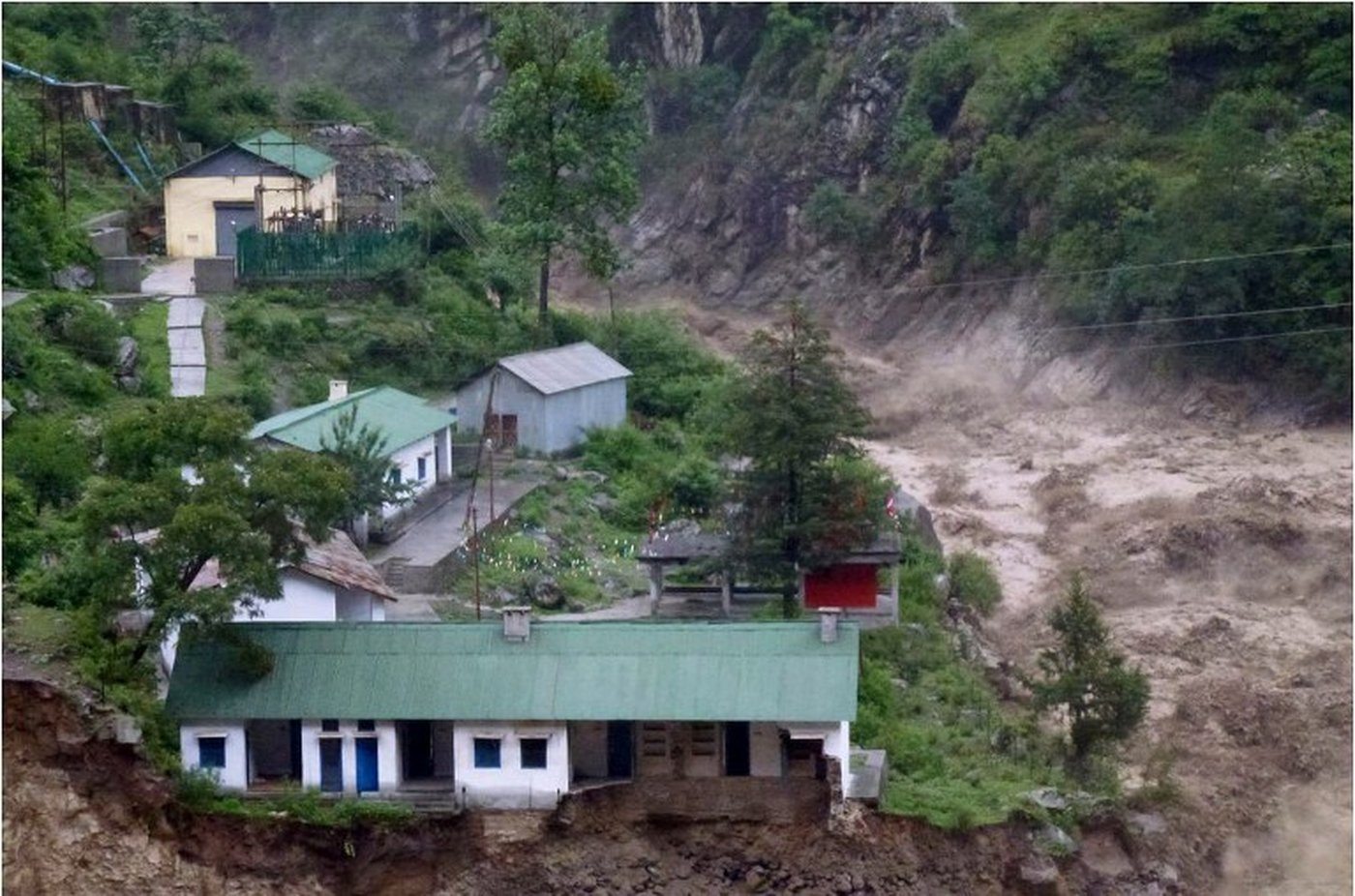
When the monsoon arrives, instead of being a blessing for farmers, it often unleashes disaster. Torrential cloudbursts and flash floods have devastated regions like Jammu & Kashmir. In 2025, Jammu city recorded 380 mm of rainfall in just 24 hours—something not seen since 1910. These floods brought landslides, destroyed roads and bridges, shut down schools, and left thousands struggling to survive. Paradoxically, while some regions drown in floods, others face severe droughts. Crops fail, livestock die, and entire communities are pushed into poverty. To add to this, climate change has also altered global wind patterns. Melting ice in the Arctic disrupts the jet stream, allowing freezing polar winds to sweep into areas unprepared for extreme cold, leading to deadly winters in parts of Europe, Asia, and North America.
Why Is This Happening?
The surge in extreme weather is linked to multiple interconnected factors:
• Greenhouse gases: Carbon dioxide and methane trap heat in our atmosphere.
• Melting ice: As ice disappears, Earth loses its natural reflectors, absorbing more heat.
• Moisture in the air: Warmer air holds more water, which falls back as heavy rainfall.
• Warming oceans: Hotter oceans fuel stronger storms and cyclones.
• Deforestation: Cutting down trees weakens natural systems that regulate weather.
These triggers combine to create a cycle of chaos. Floods spread diseases like cholera and dengue. Cold waves increase cases of hypothermia. Heatwaves overload hospitals with patients suffering from dehydration and heatstroke. The impact is not limited to health—our economy, infrastructure, and food security are at stake.
The Cost on Agriculture and Biodiversity
Climate change has deeply shaken agriculture, the backbone of many countries. Droughts kill crops, while floods wash away entire fields. Farmers face massive losses, which also leads to rising food prices for consumers. At the same time, biodiversity is collapsing. Many animal and plant species cannot adapt quickly to the changing climate. Forest fires, vanishing habitats, and changing rainfall patterns push countless species toward extinction. Losing biodiversity means losing pollinators, natural buffers, and ecological balance making us even more vulnerable to disasters.
What Can Be Done?
While the situation is dire, solutions are within our reach. But they require urgency, collaboration, and commitment:
• Green urban spaces: Planting more trees and parks to reduce urban heat islands.
• Flood-control systems: Building rainwater harvesting structures, storm drains, and strong embankments.
• Sustainable farming: Encouraging climate-resilient crops, organic practices, and water conservation.
• Renewable energy: Shifting from coal and oil to solar, wind, and hydro power.
• Reforestation and conservation: Protecting forests and restoring degraded lands.
• Public awareness: Educating people about small lifestyle changes that collectively make a big impact.
Even at an individual level, steps like reducing waste, using public transport, saving water, and supporting green initiatives matter. Climate change may feel like a global crisis, but it starts and ends with personal choices too.
A Call to Action
The planet is sending us louder warnings than ever before. Ignoring them will only deepen the crisis. Extreme weather is not a threat of the future, it is shaping our present, deciding how we live, what we eat, and whether our economies can survive. But climate change is not only a challenge, it is also an opportunity. An opportunity to rethink how we use resources, how we live in harmony with nature, and how we build a sustainable future for coming generations. The power to protect our forests, rivers, and seasons does not lie in the hands of governments alone. It lies in the hands of all of us. Small steps taken together can lead to big change. If we act now, we still have a chance to rewrite our future. If not, the floods, droughts, and heatwaves we see today may only be the beginning of a much darker story.
 Follow our WhatsApp channel
