

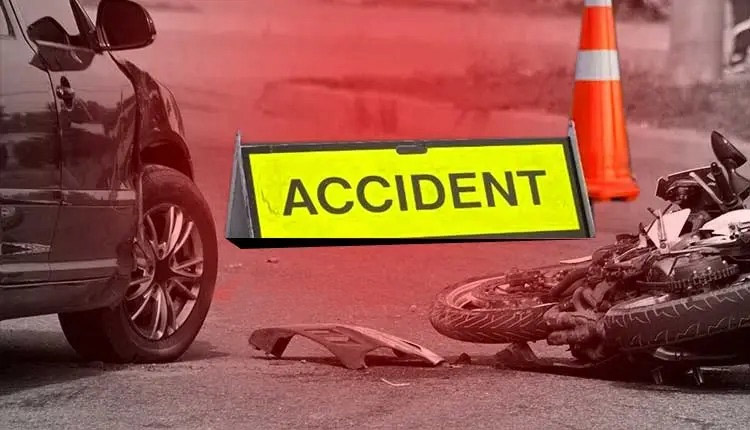
The Government’s rollout of a nationwide cashless treatment scheme for road accident victims is a commendable and long-overdue initiative. With road traffic accidents claiming thousands of lives annually and leaving much more critically injured, the Rs. 1.5 lakh cashless medical coverage per person represents a significant policy intervention aimed at saving lives and reducing post-accident trauma. This scheme enables any individual injured in a road accident on Indian roads to receive free treatment-up to a ceiling of Rs 1.5 lakh-for seven days at designated hospitals. The fact that victims no longer need to worry about immediate payment during a medical emergency addresses a crucial barrier: financial hesitation and treatment delays, which often worsen outcomes. Particularly in lower-income households, the fear of unaffordable treatment has led to tragic consequences. This initiative directly targets that gap. The operational framework-coordinated by the National Health Authority in partnership with Police Departments, hospitals, and state health agencies-suggests a structured approach. The provision for stabilisation care at non-designated hospitals also reflects practical realism, acknowledging that not every accident will occur near an empanelled facility. However, effective transfer systems must be put in place to avoid treatment interruptions or bureaucratic delays.
A critical component of success will be awareness. Without widespread public knowledge of the scheme and the locations of designated hospitals, its benefits may remain underutilised. This necessitates aggressive outreach through digital platforms, signage on highways, police advisories, and integration with insurance databases and emergency helplines. Another challenge will be ensuring seamless inter-agency coordination. Medical records, FIRs, and patient transfers must be efficiently managed. The steering committee-comprising representatives from multiple ministries, State Governments, and insurance bodies-will need to resolve administrative bottlenecks preemptively. This initiative not only promotes road safety but also aligns with broader healthcare goals. It reflects a shift from reactive to preventive governance, where institutional support is available at the most vulnerable moments.
 Follow our WhatsApp channel
