

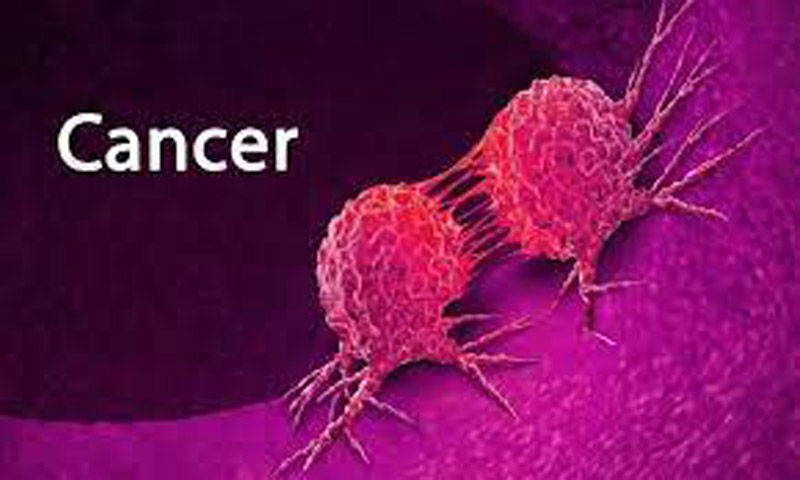
The growing cancer burden in Jammu and Kashmir is emerging as one of the most serious long-term public health crises facing the region. The 32,425 cases reported over three years, as disclosed by the Health Minister while responding to a query, should be viewed as only the visible portion of a much larger and more complex problem. In reality, these figures represent diagnosed and documented cases. Given gaps in screening, late reporting, rural healthcare limitations and social hesitation in seeking early diagnosis, the real number of patients is almost certainly significantly higher. The Government has expanded treatment infrastructure, which is both necessary and welcome. Major institutions such as Sher-i-Kashmir Institute of Medical Sciences, State Cancer Institute Jammu and Government Medical College, Jammu, are providing multidisciplinary oncology care. Policy discussions involving NITI Aayog, ICMR, Tata Memorial Hospital and screening collaborations with AIIMS Vijaypur indicate a serious institutional response. However, this entire framework remains largely treatment-centric-essentially reactive healthcare.
The exponential rise in cancers such as lung, breast, oral and gastrointestinal malignancies cannot be random. Every disease trend has environmental, dietary, occupational or lifestyle linkages. Unfortunately, region-specific scientific research mapping these causative factors remains limited. This policy gap is deeply worrying because, without identifying triggers, healthcare systems are destined to remain permanently overloaded. Even more concerning is the growing evidence of unchecked food adulteration. Recent confiscations of adulterated milk products and meat in various parts of the region point to systemic regulatory failure. If carcinogenic substances are entering the daily food chain, then even the most advanced cancer hospitals will only treat consequences, not causes. The same concern applies to excessive pesticide and insecticide use, along with potential groundwater contamination. Without scientific correlation studies across districts spanning Jammu and Srinagar, policymaking will remain incomplete.
There is an urgent need for the Government to clearly separate preventive and reactive public health approaches. Treatment expansion must be matched with aggressive prevention-zero tolerance for food adulteration, strict regulation of agrochemicals, monitoring of industrial discharge and continuous groundwater safety audits. Unless the root causes are identified and eliminated, rising cancer numbers will continue silently.
 Follow our WhatsApp channel
