

Suhail Bhat
Budgam, Nov 11: As voters in central Kashmir’s Budgam turned out to cast their ballots in the crucial bypoll that will decide the fate of 17 candidates, the mood across polling stations reflected a mix of hope and disillusionment.
While some residents voiced anger over unemployment, poor infrastructure, and unkept promises, many others placed their faith in the ruling National Conference (NC), believing it is best positioned to bring stability and address long-pending local grievances.
At polling stations across Budgam, voters spoke of broken promises and neglected needs that have persisted through successive Governments. From the lack of clean drinking water to poor roads, erratic electricity, and failing healthcare, everyday struggles have left many feeling betrayed.
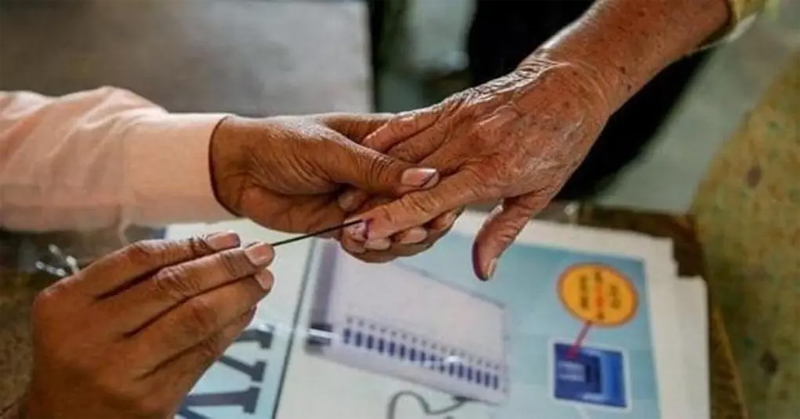
“We have no drinking water or playgrounds,” said Mohammad Yousuf from Ompora, standing in line with his ink-stained finger. He added, “We came out today believing in the promises made about the construction of the university and the stadium, and we hope that this time our long-pending issues will finally be resolved.”
In Bemina, Abdul Rahman’s frustration was evident. “We voted for the National Conference in the last election, but after winning, they never looked back. No one visited our area. We are tired of being ignored,” he said.
Yet, not everyone was ready to give up on the ruling party. Ghulam Hassan from Bemina expressed cautious optimism: “The candidate we support has done excellent work before. Since the NC is in power for the next four years, maybe now they can deliver.”
Some voters, however, decided to switch loyalties. In Wahabpora, a middle-aged woman explained her decision: “We supported the National Conference for years, but nothing changed. Now we will vote for PDP, hoping they can improve our roads and healthcare.”
At another booth, 60-year-old Mohammad Isaq reflected on past disappointments. “Last time we voted for Omar Abdullah, and he left for Ganderbal. There was no development here. Still, I vote. It is my right. Maybe, just maybe, this time it will be different.”
Eighty-year-old Ghulam Mohammad Hajam, walking slowly with the help of his son and a stick, summed up the sentiment of many. “All my life I have voted. We still dine under candlelight and fetch water from neighbors’ bore wells. But I still hope. Maybe before I die, I will see change.”
As the ballots were cast, Budgam voters left the polling stations carrying both frustration and faith, hoping their voices would finally bring the change they have long waited for.
 Follow our WhatsApp channel
