

Owais Bhat
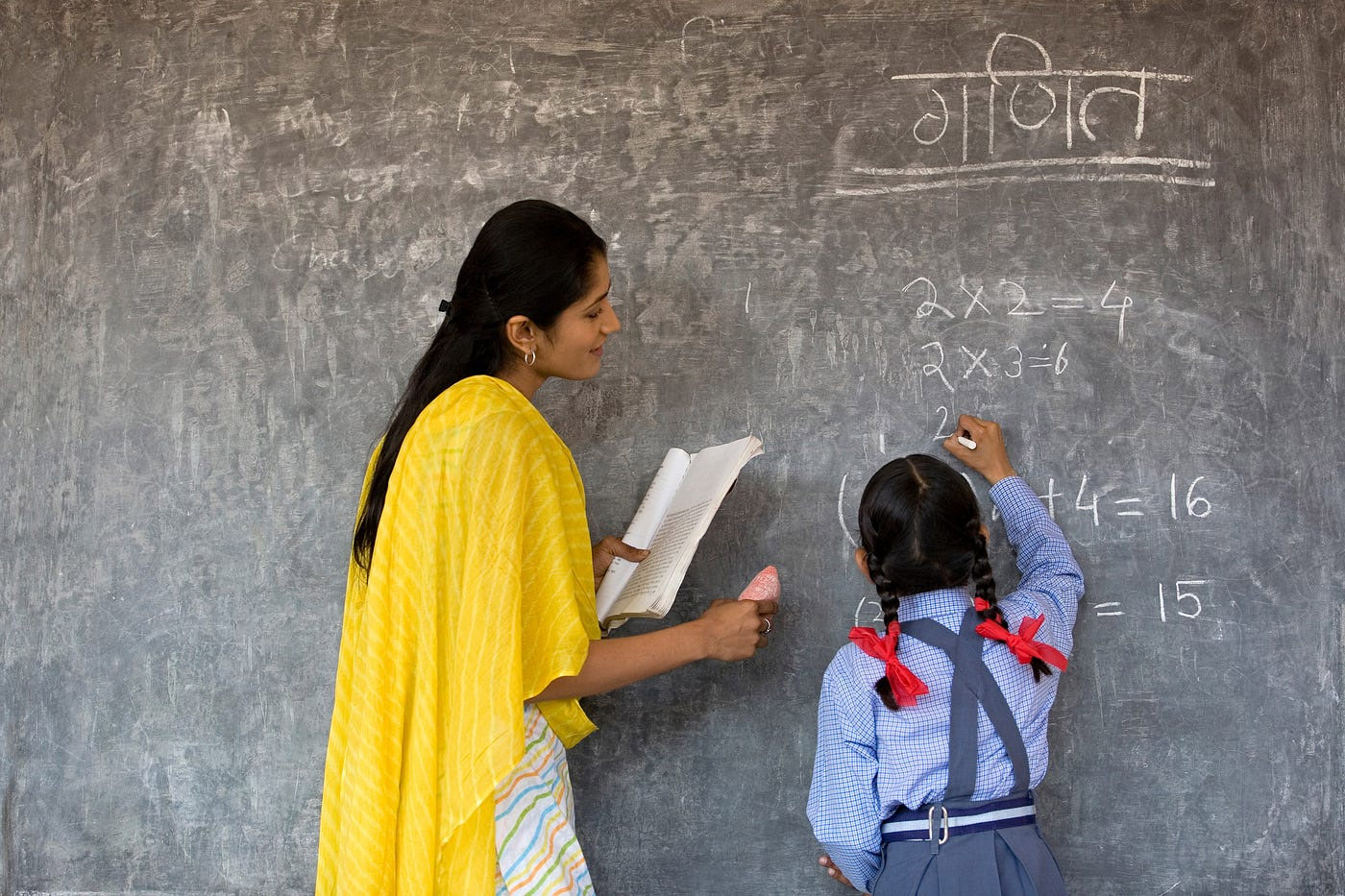
Behind every successful student stands a teacher—patient, passionate, and committed to shaping young minds. Yet, in the case of private school teachers across India, this noble profession often comes with invisible hardships. While classrooms shine with modern tools and colorful boards, the lives of those who teach within them remain dimmed by neglect, low wages, and a lack of dignity.
Private school teachers are among the most underpaid professionals in the country. Despite holding postgraduate degrees, teaching certifications, and years of experience, many are paid salaries as low as ₹6,000 to ₹12,000 per month—barely enough to cover basic living expenses. In contrast, government school teachers receive higher pay, job security, and benefits, highlighting the unfair gap in compensation for the same profession. Private school teachers are often expected to deliver high results, attend to administrative duties, organize events, and work beyond school hours, yet receive neither overtime pay nor proper recognition.
The struggles don’t end with salary. Most private school teachers work without proper contracts or job security. They are vulnerable to sudden terminations, lack of maternity or medical leave, and have no access to pension or retirement benefits. Many are burdened with fear—of speaking out, of asking for a raise, or of losing their job. In some regions, especially rural and semi-urban areas, the Minimum Wages Act is not implemented effectively, and managements exploit the lack of awareness among staff.
These educators, who are the heart of every classroom, often live in quiet desperation. Behind their warm smiles and professional appearance lies a reality of unpaid bills, part-time jobs, and unfulfilled dreams. It is heartbreaking that those who build the nation’s future are unable to secure a stable future for themselves. Their emotional and financial stress affects not only their well-being but also the quality of education they can provide.
This situation demands urgent attention. Governments must ensure strict enforcement of fair salary policies in all private institutions. School managements should be held accountable for providing decent pay, professional growth, and respect to their teaching staff. Parents, too, should become more aware—asking how their fees are being used and whether their children’s teachers are being treated fairly.
A society that values education must also value its educators. It is time to look beyond the chalkboard and acknowledge the silent sacrifices of private school teachers. Respect alone is not enough—they deserve justice, fair wages, and the dignity that comes with being the backbone of our education system.
 Follow our WhatsApp channel
