

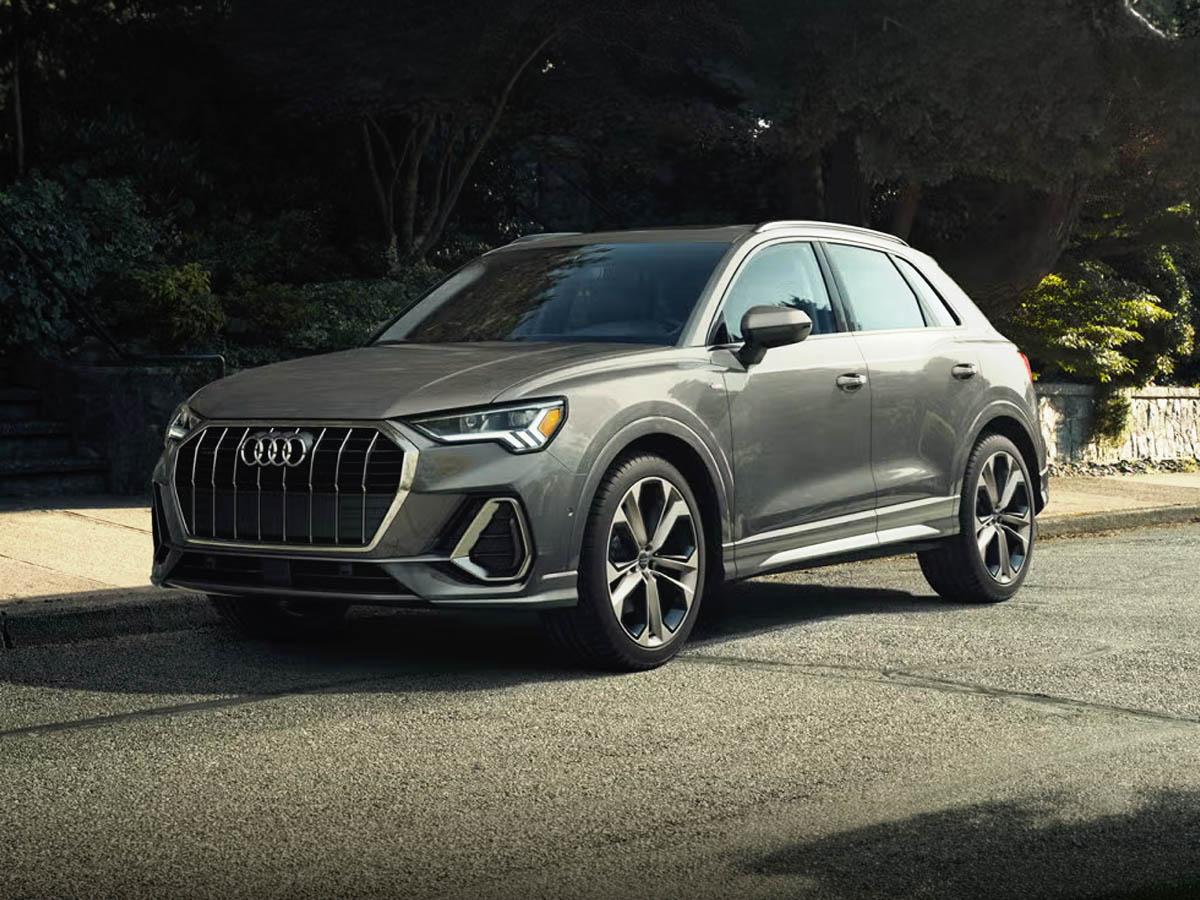
For buyers in India looking to step into the premium segment without paying showroom prices, entry-level luxury SUVs often seem like the ideal bridge. They carry the badge, the elevated stance, and the refined interiors, but once depreciation kicks in, they also become surprisingly accessible. This is why many buyers begin by shortlisting options and then digging deeper through resources like a used Audi Q3 buying guide in India or comparing other second hand Audi cars to understand what ownership actually looks like after a few years in the country. Because when you move into the pre owned market, the question is no longer about aspiration. It is about value.
What “Entry-level luxury” really means
Models like the Audi Q3, BMW X1, and Mercedes-Benz GLA are positioned as the starting point into their respective brands. They offer premium build quality, refined engines, and strong brand presence, but they are not flagship products. Interior space can be tighter, engine options more modest, and certain luxury features optional rather than standard.
When new, buyers are paying a premium for brand access. Once these SUVs enter the used market, the price drops significantly, but the brand identity remains intact. That shift is what makes them attractive as pre owned purchases.
Depreciation changes the equation
Luxury vehicles in India typically experience steep depreciation in the first few years, often more aggressive than in some global markets due to high initial pricing and limited buyer pool. For the original owner, that can feel expensive. For the second owner, it can be an opportunity. An entry-level luxury SUV that once competed at a high price point may now sit close to a well-equipped mainstream SUV in the used market.
At that stage, Indian buyers are no longer comparing just features. They are comparing driving refinement, brand perception, and long-term ownership cost within the realities of Indian fuel prices, service access, and resale trends.
This is where detailed research becomes essential. Reviewing model-specific guides, understanding service intervals in Indian conditions, and checking common wear points help ensure that depreciation becomes an advantage rather than a hidden risk.
Driving experience vs mainstream alternatives
One of the strongest reasons buyers consider entry-level luxury SUVs pre owned is driving feel. Even at the base level, premium brands often offer tighter handling, better cabin insulation, and smoother gearboxes compared to similarly priced mainstream options.
On Indian highways and expressways, the difference in refinement becomes noticeable. The cabin remains quieter at triple-digit speeds, the suspension feels more controlled, and the overall experience tends to feel more composed. That said, buyers should manage expectations. Rear seat space may not match larger mainstream SUVs popular with Indian families, and ride comfort may be tuned slightly firmer depending on the brand’s character. A proper test drive on familiar roads reveals whether the balance suits your daily usage.
Ownership costs do not depreciate as quickly
While purchase prices fall quickly, maintenance costs remain aligned with the brand. Service labour, spare parts, and electronic components generally cost more than those of non-luxury vehicles.
This does not make entry-level luxury SUVs impractical, but it does require realistic budgeting. Reviewing complete service records, verifying scheduled maintenance, and checking for timely part replacements becomes essential before finalising the purchase.
A well-maintained premium SUV often proves more satisfying than a neglected one from any segment.
Technology and feature ageing
Entry-level luxury SUVs usually come equipped with digital displays, premium infotainment systems, advanced safety features, and high-quality materials. When functioning properly, these features help the car retain a modern feel even several years after launch.
However, electronics should be tested carefully in the used market. Touchscreens, parking sensors, cameras, and climate systems must operate smoothly. Small electronic faults can be costly if overlooked. Ensuring that all systems work as intended preserves both ownership satisfaction and resale value.
Resale and market demand
Entry-level luxury SUVs tend to maintain steady demand in India’s used segment because they offer brand access at a lower entry point. Buyers who previously found showroom prices unreachable often re-enter the conversation once depreciation stabilises.
Resale strength, however, depends heavily on service documentation, mileage consistency, and overall condition. Vehicles with transparent ownership history and fewer modifications typically attract stronger interest in the Indian market, where buyer caution in the premium segment remains high. Understanding this helps buyers assess not just current affordability, but future liquidity as well.
When it makes sense to buy one
Buying an entry-level luxury SUV pre owned in India makes sense when the pricing reflects meaningful depreciation compared to its original ex-showroom price, the vehicle has a clean and complete service history, and the buyer is prepared for ongoing premium maintenance costs.
When those conditions align, ownership can feel balanced. You gain access to refined driving dynamics, strong brand value, and premium build quality at a more manageable cost than buying new in India’s high-tax environment.
Final thoughts
Entry-level luxury SUVs sit in a unique position within India’s used market. They combine aspiration with accessibility, thanks largely to early depreciation. At the same time, they retain the engineering standards and ownership expectations of a premium brand.
For Indian buyers willing to evaluate condition carefully and budget realistically, they can represent a smart entry into luxury ownership without absorbing the steepest phase of depreciation.
 Follow our WhatsApp channel
