

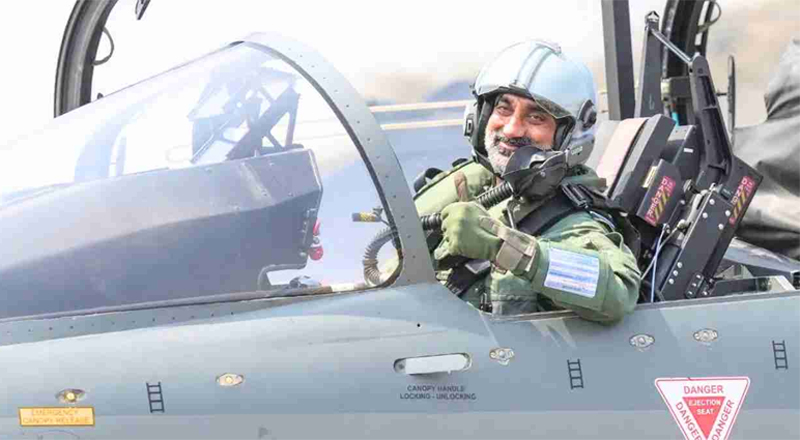
The Indian Air Force chief’s remarks following the successful Operation Sindoor serve as both a moment of national pride and a sobering call to action. He rightly lauds the collective effort that led to India’s decisive military response against Pakistan. Yet, he flags critical concerns that threaten the future readiness of our armed forces-foremost among them, the persistent delays in defence acquisition projects. The IAF chief’s assertion that “not a single project has been completed on time” is a damning indictment of the current defence procurement and implementation mechanisms. These delays are not just administrative failings; they directly impact national security. Timely delivery of platforms like the Tejas LCA is crucial to maintaining operational superiority. HAL’s inability to meet delivery timelines exemplifies the bottlenecks and inefficiencies embedded in the existing structure.
Air Chief Marshal’s emphasis on a “whole-of-nation mission mode” for defence modernisation underscores the urgency for institutional reform. A piecemeal approach is no longer viable. The bureaucratic inertia, lack of accountability, and a tendency to sign unrealistic contracts have repeatedly violated the acquisition process. The need of the hour is a streamlined, time-bound procurement framework that prioritises mission readiness over procedural orthodoxy. Encouragingly, the Defence Ministry’s green light for the AMCA project involving private sector participation signals a shift toward greater trust in indigenous capabilities. Yet, this momentum must be backed by concrete timelines, dedicated oversight bodies, and industry-military synergy. Additionally, fast-tracked “Make in India” initiatives must bridge the capability gaps in the short term, while long-term R&D continues to evolve. Furthermore, IAF chief’s call for open communication and trust between the armed forces and industry is pivotal. Mutual transparency and accountability are essential to avoid systemic breakdowns. The private sector must be empowered but also held to rigorous standards of delivery and performance. Operation Sindoor has proven India’s capability to mount a coordinated and professional response. To build on this success, immediate structural reforms in defence procurement, aggressive timelines, and a culture of trust and accountability are essential. Only then can India be truly future-ready and self-reliant in its defence preparedness.
 Follow our WhatsApp channel
