

Time to start prioritizing human life
Nipun Basotra
Electricity serves as the lifeblood of modern society, powering homes, businesses, and industries. However, in a country as vast and populous as India, ensuring uninterrupted electricity supply poses significant challenges. The individuals tasked with maintaining and repairing electrical infrastructure often operate under perilous conditions, risking their lives to ensure the smooth functioning of essential services. Despite their critical role, these workers face numerous hazards, inadequate safety measures, and meager compensation. This article delves into the pressing issue of electrical worker safety in India, advocating for comprehensive measures to safeguard their well-being and promote equitable treatment.
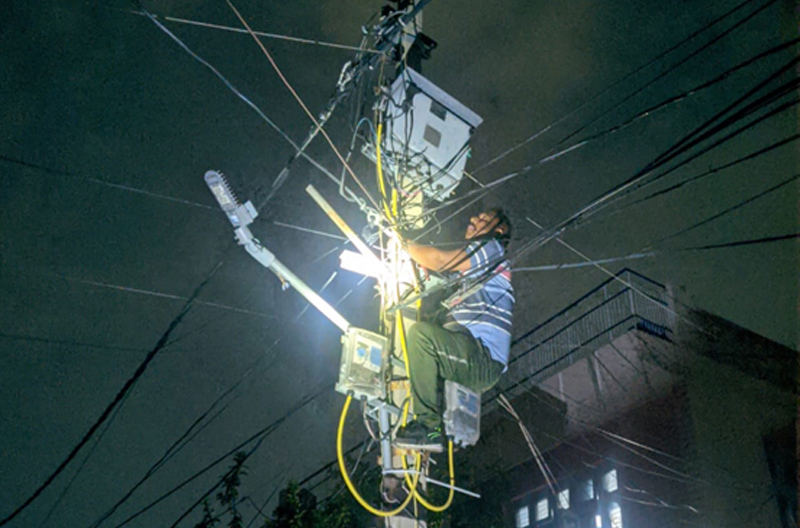
Electrical workers in India encounter a multitude of challenges in their line of duty. From navigating treacherous terrain in remote areas to handling high-voltage equipment without adequate protection, their work is fraught with dangers. Common hazards include open circuits, short circuits, damaged wires, poles, and transformers. These faults not only disrupt electricity supply but also pose grave risks to the safety of workers and bystanders. Moreover, the lack of proper safety equipment exacerbates these dangers, leaving workers vulnerable to electrocution and other accidents. The consequences of inadequate safety measures are stark and tragic. Shockingly, nearly 11,000 people lose their lives annually in India due to electrocution-related accidents. Many of these fatalities occur among electrical workers who brave hazardous conditions to restore power. The loss of these skilled professionals not only deprives families of their breadwinners but also underscores the urgent need for enhanced safety protocols. Witnessing such fatalities is not only traumatic for the victims’ loved ones but also reflects a systemic failure to prioritize worker well-being.
Disparities in safety standards between developed and developing nations further compound the challenges faced by electrical workers in India. While workers in affluent countries benefit from state-of-the-art protective gear such as electric arc protection suits, their counterparts in India often lack even basic safety equipment. This discrepancy reflects broader socioeconomic disparities and underscores the need for concerted efforts to bridge the gap.
To address the systemic issues underlying electrical worker safety in India, several key measures must be implemented. Firstly, there is an urgent need for enhanced safety training and awareness programs to educate workers about potential hazards and safe practices. Additionally, regulatory authorities must enforce stringent safety standards and ensure compliance across the industry. This includes providing workers with appropriate safety gear, such as electric arc protection suits, to mitigate the risk of electrocution and other accidents. Furthermore, the issue of inadequate compensation must be addressed to reflect the inherent risks associated with electrical work. Many workers receive minimal wages that fail to account for the dangers they face on a daily basis. By advocating for fair wages and benefits, stakeholders can help uplift marginalized workers and promote greater equity in the workforce.
In conclusion, the plight of electrical workers in India highlights the urgent need for comprehensive measures to enhance safety and promote equity. By investing in proper training, safety equipment, and fair compensation, stakeholders can create a safer working environment for electrical workers while acknowledging their invaluable contributions to society. Moreover, addressing these issues aligns with broader goals of social justice and economic empowerment, ultimately fostering a more inclusive and prosperous society. As India strives for development and progress on the global stage, prioritizing the well-being of its workforce must remain a paramount concern. Only through concerted efforts to address systemic challenges can India realize its full potential and emerge as a beacon of safety, equity, and prosperity.
 Follow our WhatsApp channel
