

Excelsior Correspondent
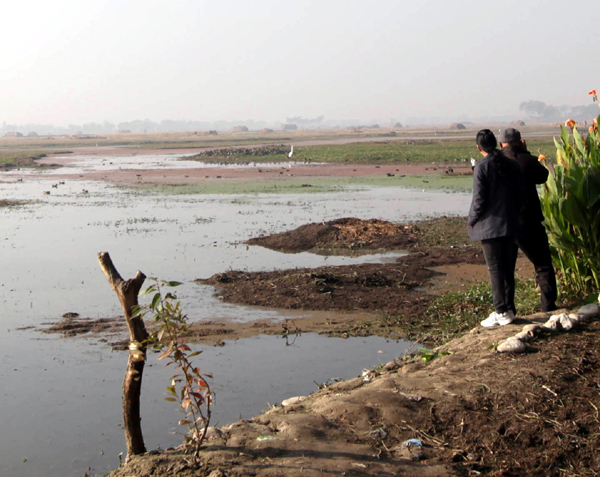
GHARANA (R S PURA), Dec 23: Hostile attitude of locals and unprecedented delay in implementation of the Government project are depriving the world famous Gharana Wetland to serve its ‘esteemed guests’-rare migratory birds, which are shockingly not settling on their otherwise favourite destination here.
Ever since their arrival here from Central Asia, rare specie of Bar Headed Geese has been spotted only twice in the wetland. Bursting of firecrackers by hostile villagers is keeping these migratory birds away from temporarily settling on this reserved wetland, situated near the International Border in R S Pura.
Unable to see flocks of these highest altitude migratory birds, which were first spotted here around seven years ago, the visitors are feeling highly disappointed. “I along with my daughter had come here especially to see and shoot the flocks of Bar Headed Geese on the Wetland but their absence has utterly disappointed me,” a middle aged visitor from Jammu told the Excelsior.
Pertinent to mention that internationally recognized Gharana wetland is temporary home of around 90 species of migratory birds during the winter season. Among these, Bar Headed Geese is the most important specie whose number ranges from 3000 to 5000 during their stay here in the winter months.
Every year flocks of Bar Headed Geese fly from selected wetlands on the high plateaus of Central Asia in November-December and reach feeding grounds in low bed of India through the Himalayan range, sometimes even directly above Everest. The world’s highest altitude migratory birds retrace their route to Central Asia in Spring (March-April). In the trip, these Bar Headed Geese cover over one thousand miles per day.
Common Teal, Ruddy Shelduck, Lesser Whistling Duck and Northern Shovler are among other species of the migratory birds visiting here in the months of winter.
However, for the small farmers of Gharana and adjoining areas, these migratory birds are the enemy since they destroy their wheat crop while the official formalities are hurdle in paying compensation to affected people who are therefore turning a deaf ear to repeated appeals of the Wildlife authorities not to terrorizing the birds.
“Tussle between the Wildlife Department and locals, lack of mutual understanding between them and inadequate awareness are the main causes of present state of affairs,” rued Sama Ram, Numberdar of village Gharana.
Wildlife Warden Tahir Shaal, however, has scientific reasons behind non-settling of the Bar Headed Gees in the wetland. “They settle with increase in cold and we are hopeful that by January 15, the wetland would witness again flocks of these migratory birds,” he said.
Giving reasons behind alleged Government inaction to protect these birds from ‘local terror’, Mr Shaal admitted that the Wildlife Department could not take possession of the internationally recognized area of Gharana, which was notified as Wetland Reserve under a proclamation in 1981. “Even after more than three decades, demarcation of 200 acres area under Reserved Wetland has not yet been done owing to certain reasons while there is no legal provision for giving compensation to the farmers whose crop is damaged by these migratory birds,” he explained.
However, he added, the matter has been taken up with the higher authorities and demarcation of the area is likely to be done in next few months while compensation provision may also get constitutional status very soon.
 Follow our WhatsApp channel
