

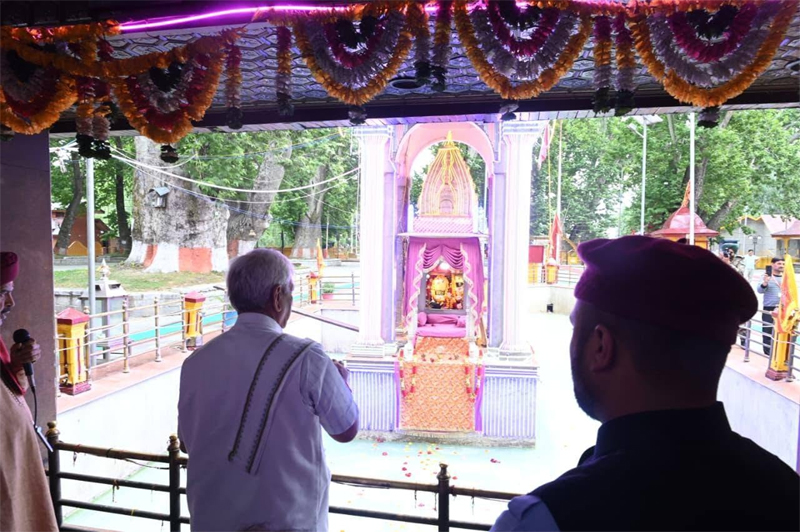
The inauguration of the Yatri Bhawan at Mata Kheer Bhawani Temple is a historic moment. Modest in its physical dimensions – a three-storey structure spread across 3,885 square feet, built at a cost of Rs 3.85 crore – it is, nevertheless, a monument to something far grander: the gradual, determined return of peace, faith and belonging to the Kashmir valley. For decades, the very mention of Kashmir conjured images of conflict, displacement and grief. Temples like Mata Kheer Bhawani-one of the most sacred shrines in the valley, revered across generations-existed in memory more than in lived experience for thousands of displaced KP devotees. That reality has changed, quietly but unmistakably, over the past decade. The shadow of militancy has receded considerably, and the Valley has been reclaimed by the ordinary rhythms of life – commerce, tourism, education, and, increasingly, pilgrimage. Kashmiri Pandits are returning, not merely as visitors but as people reconnecting with their roots. During the annual Jyeshtha Ashtami congregation at Mata Kheer Bhawani, thousands now make the journey to Tulmulla. With improved connectivity, such visits have become more frequent and more accessible than at any point in living memory.
Yet infrastructure had not kept pace with this resurgence of devotion. The existing facilities at the temple, conceived for a different era, are simply inadequate for the scale of modern congregations. Pilgrims deserve better than makeshift arrangements. The new Yatri Bhawan, capable of accommodating 800 to 900 pilgrims, addresses this gap directly. It offers safe, hygienic, and comfortable accommodation within the temple precincts – not a luxury, but a long-overdue necessity.
Credit must go to the administration for responding to the community’s requests with tangible action rather than mere assurance. From the initial delegations in 2023 to the laying of the foundation stone on the auspicious occasion of Jyeshtha Ashtami in 2024 to the inauguration this June, the project reflects a commendable efficiency and sensitivity to the sentiments of the pilgrims. One hopes, however, that this is a beginning rather than a conclusion. Mata Kheer Bhawani deserves a comprehensive infrastructural ecosystem – improved approach roads, sanitation facilities, medical posts during major congregations, and digital amenities befitting a nationally significant pilgrimage site. The faithful who throng its precincts each year are not merely tourists; they are custodians of a living heritage. They merit every comfort the state can provide. The Yatri Bhawan at Mata Kheer Bhawani is one quiet, enduring proof of that truth.
 Follow our WhatsApp channel
