

Ranbir Singh Chib
ranbirchib123@gmail.com
When we talk about Dogri language literature, its history is very old and rich. Along with poetry and fiction, Dogri is a highly developed and prosperous language.
However, when it comes to films, documentaries, and theatrical productions in Dogri, our language has lagged behind considerably. There are many reasons for this. Some responsibility lies with governments, while some also lies with us. We often do not actively participate in activities related to our language, nor do we take pride in showcasing our culture. The lack of readers in written literature and the shortage of audiences for visual media make it difficult for Dogri literature and culture to stand alongside other languages.
The first Dogri film, Gallan Hoiyaan Beetiyan, was released in 1966 under the direction of Kuldeep Kumar. Although the film was appreciated by audiences, it did not receive the support and recognition it truly deserved.
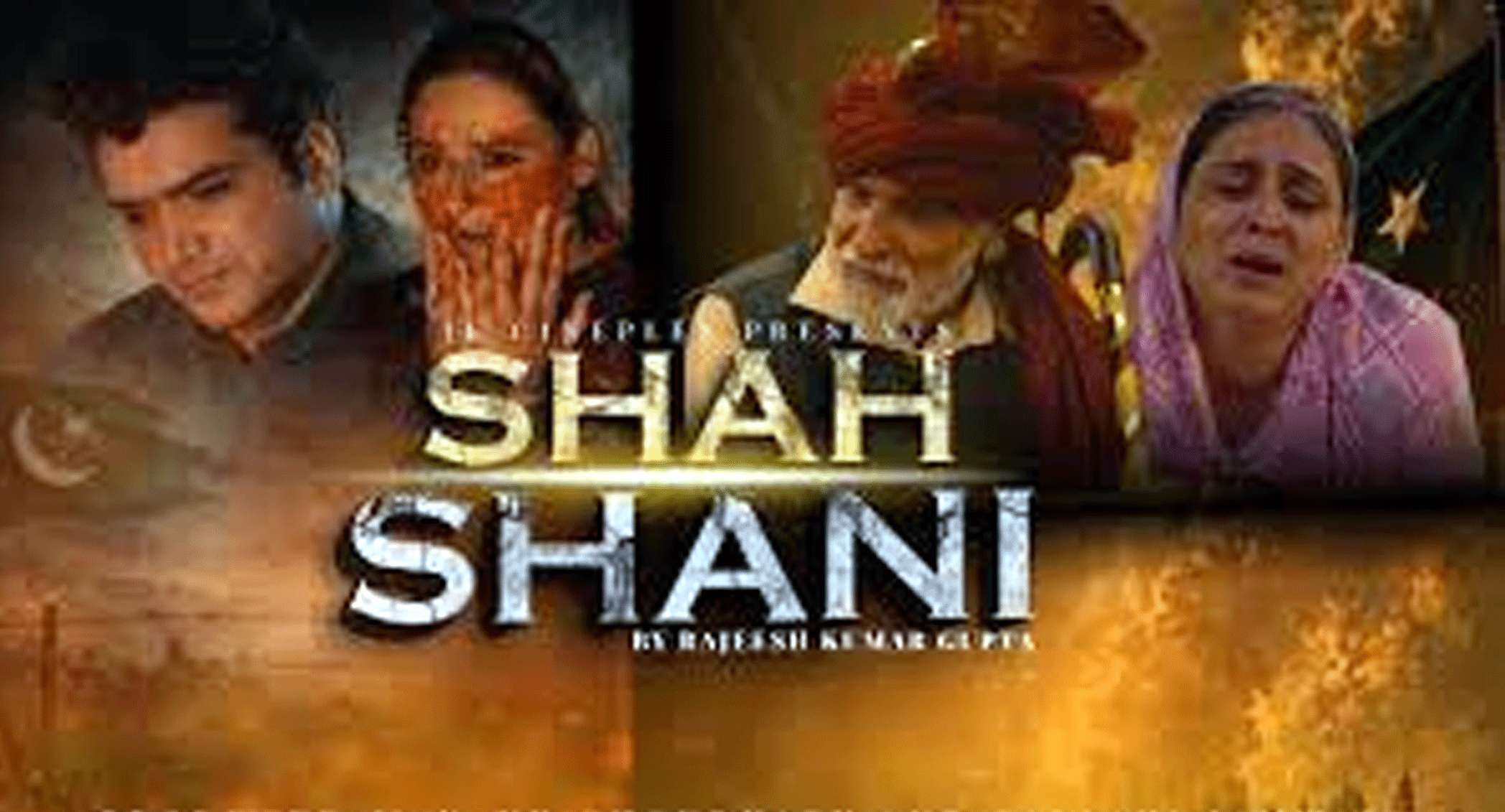
After a long gap, several Dogri films were released: Maa Ni Miladi (2010), Lakeer (2011), Kuggi Maar Duwari (2011), Dile Ch Vasseya Koi (2011), Reet (2012), and Geettiyan (2014). Then, in 2026, another Dogri film, Shah Shahni, was presented to the public. The screenplay and direction of this film have been done by the renowned Jammu-based fiction writer Rajneesh Kumar Gupta. The film has been warmly welcomed by the people of Duggar and lovers of the Dogri language, which is a very positive and encouraging development for our language.
The story of the film is set during the period of Partition in 1947, when India was divided into two countries. This division led to large-scale migration and displacement, causing countless people to be separated from their loved ones. Among them was a young couple whose love story was torn apart by the tragedy of partition. Religious hatred and communal violence weakened humanity and brotherhood, causing immense suffering to ordinary people. Walls of hatred grew higher between the two nations.
Many years later, an agreement between the two countries led to the introduction of a bus service, allowing people from both sides to travel and meet one another. As interactions increased, the flames of hatred gradually began to fade.
The film’s protagonist, Shah, travels by bus to meet his beloved childhood companion Geettu (Shahni), the film’s heroine. Their reunion is deeply emotional, and they share their joys and sorrows with each other. Although both remain unmarried throughout their lives, their love for one another never diminishes.
The story is powerful and meaningful, rising above religious divisions and hatred. The songs are beautifully composed, and the actors have delivered remarkable performances. Veteran artists such as Janak Khajuria, Madan Rangeela, Kusam Tikku, Shambhu Ram Pyasa, along with several younger actors, have added great value to the film through their performances.
I also had the opportunity to watch this film, and I found its story extremely touching. It leaves the audience emotional and often brings tears to their eyes. The film is currently being screened at K.C. Cinema, Jammu.
I appeal to all the people of Duggar to watch this film and share their views about it. I also request the Censor Board and the government to permit its screening in other districts of the Jammu region. If possible, the film should also be shown in areas of Punjab and Himachal Pradesh where Dogri is spoken and understood. This would help promote the Dogri language and culture while also creating employment opportunities for young people.
Such efforts will expand the reach of the Dogri language and bring positive changes in people’s thinking.
 Follow our WhatsApp channel
