

The reality that mental health and discussions surrounding it have traditionally been neglected cannot be disputed. However, over time people have begun to realize that it is no less important than physical health. Across India, awareness is growing, and more people are asking for support for problems that might once have been ignored.
The discussion has also shifted beyond realization. The attention has been drifting towards recovery, rehabilitation, and steadier forms of care that help someone rebuild a more fulfilling daily life. This has led to demand for services offering real support and not just occasional clinic visits.
Various regions across India with strong healthcare systems are stepping forward to meet that demand. Chennai, being one such region with robust healthcare facilities, has witnessed increasing interest in rehabilitation programmes. Known as a vital healthcare hub, Chennai is home to facilities offering support to people living with mental health and addiction-related challenges.
Families Moving Towards Mental Health Support
Mental health difficulties often emerge gradually. Changes in behaviour, relationships, work performance, and daily routines constitute prominent signs of mental health challenges. As per data from WHO, nearly 15% of Indian adults require active intervention for one or more mental health issues during their lifetime. While the support from family is crucial, certain situations demand beyond that.
Greater access to resources and reducing stigma are making it easier to recognise when clinical help could be beneficial. Information about depression, anxiety, addiction, and other conditions is now widespread, online and in community outreach, so treatment options are clearer than before. As a result, services available through a rehabilitation centre in Chennai are increasingly being considered by those who need a structured, supportive environment designed for long-term recovery.
Early help can make a practical difference. Clinical specialists consistently point to timely intervention as a factor that improves outcomes and reduces the risk of conditions becoming more difficult to treat. Programmes that combine counselling, psychiatric care, behavioural therapies, and supervised daily routines offer reliable scaffolding for someone learning new coping skills, restoring confidence, and making gradual progress.
The Rise of Mental Health and Addiction Challenges
Mental health and addiction challenges are not new concepts. They have been affecting people across genders, castes and communities. What has changed now is the rapid lifestyle developments and the urge to fit in a demanding society. Not only that, workplace stress, financial pressure and digital competition have also impacted the emotional well-being of individuals in more than one way.
As a result, people often end up resorting to substance use, alcohol dependency and other forms of addiction. This can wind up creating serious physical, psychological, and social consequences. While these conditions can have serious consequences on their own, they often occur alongside mental health disorders, which makes integrated treatment systems particularly important.
Even though the individuals going through such challenges surely bear the impact, their family members also experience the same. The emotional strain, caregiving burdens and uncertainty can often become extremely problematic for the family members. This is where caregivers require guidance and counselling themselves to aid their loved ones in need.
While going through mental health issues is one thing, access to proper treatment is another.
Recent data from the National Mental Health Survey shows about an 83% treatment gap for mental health conditions in India. In plain terms, most people who need help aren’t getting it. That gap makes the need for thoughtful, specialised rehabilitation services urgent.
Expanding Treatment Options: New Facility in Chennai
Chennai’s long reputation as a healthcare centre is starting to show in mental health too. With demand rising across Tamil Nadu and nearby regions, more rehab centres are opening their doors. Places like Jagruti Rehabilitation Centre are becoming part of a growing, connected network where people can actually find help that lasts. Located at 15 Venkataraman Street, T. Nagar, the centre provides high-quality rehabilitation care focused on long-term recovery. It has recently added 100 beds with the aim of boosting Chennai’s rehab capabilities.
Such facilities offer a break from daily pressures so people can focus on recovery. Under the supervision of trained professionals, residents usually get psychiatric care, therapy and behaviour-focused work, wellness activities, and recovery plans tailored to their lives.
The idea isn’t just to ease symptoms for a little while; it’s to help people rebuild stability, confidence, and the skills they need to move forward. Here, tailored treatment programmes play a vital role. Such programmes not only target the exact concern but also help speed recovery.
How Family Involvement and Long-Term Recovery are Linked
Recovery from a mental health challenge usually isn’t quick. It’s a gradual process that needs ongoing support, small lifestyle changes, and continued contact with health professionals.
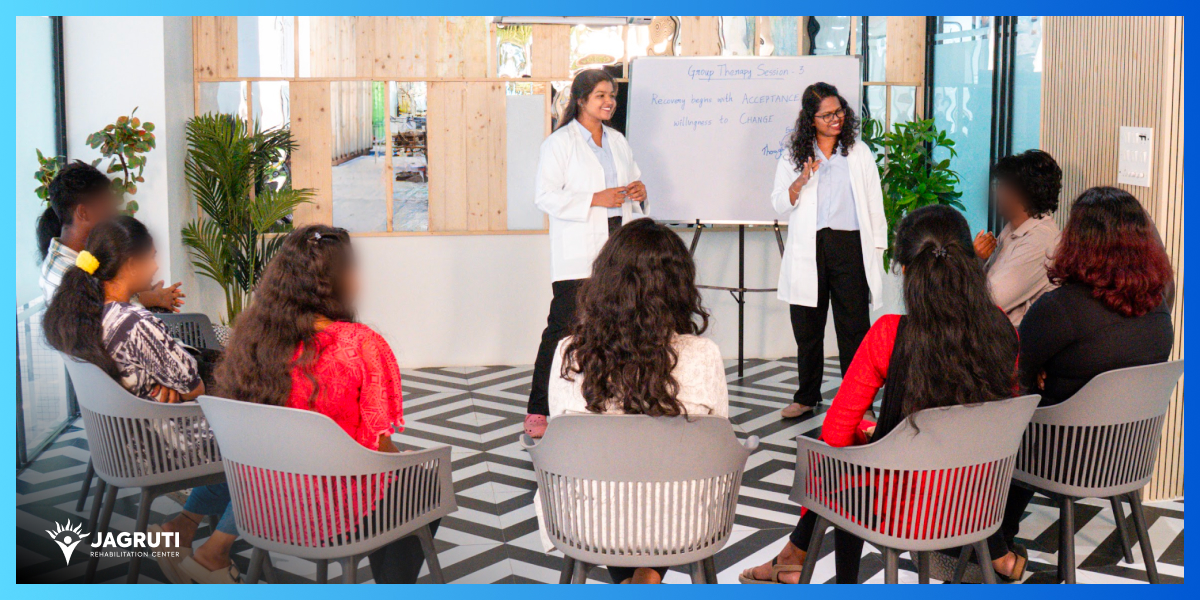
Counselling is often the backbone of rehabilitation. In one-on-one therapy, people get space to untangle what’s behind their pain, recognise the triggers that knock them off balance, and practise healthier ways to cope. Group therapy adds something different but equally powerful: hearing others’ stories cuts through isolation and offers real-life tips and encouragement.
Stopping relapse is a big part of the work. Good programmes help people spot early warning signs, handle stress more effectively, and build personalised plans that keep them steady over the long run.
Family support is just as important. Evidence and everyday clinical experience show that when families are informed and caring, recovery goes better. Family workshops, joint therapy sessions, and caregiver support give loved ones the practical knowledge and communication tools they need to rebuild trust and support lasting recovery.
Put simply, recovery works best when the person, their family, and healthcare professionals collaborate toward shared goals.
Rising Mental Health Awareness
People across India are starting to talk openly about mental health, and that’s already changing things. As the conversation grows, fewer people feel alone or ashamed about seeking help and more are looking for specialised rehabilitation and recovery services.
Chennai is following that change. The city is building a more accessible, recovery-focused mental healthcare system that aims for long-term wellbeing rather than quick fixes. By strengthening rehab services and offering ongoing support, Chennai is shaping a system that actually listens to what people and families need.
 Follow our WhatsApp channel
