

Tirthankar Mitra
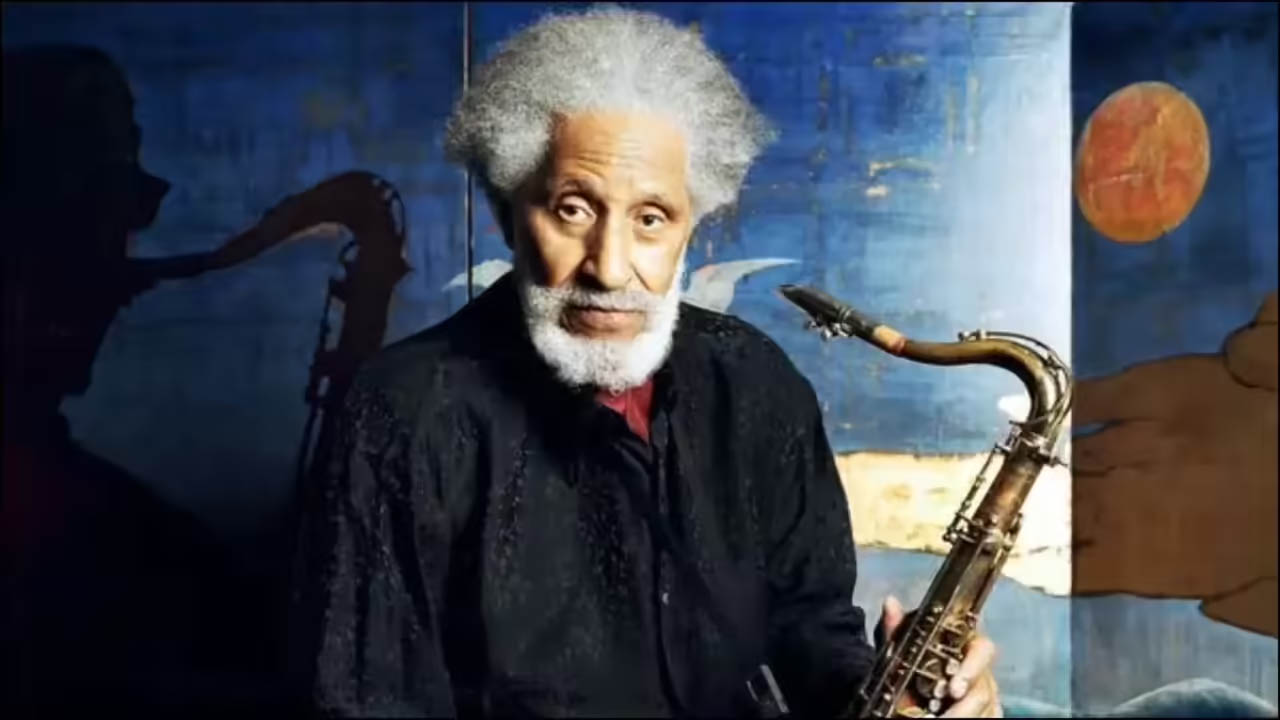
The swinging ’60s which revolutionized music in Europe and America did not leave India untouched. If there were the Beatles, Queen, The Rolling Stone, nearer home there came up Mohiner Ghoraguli in Calcutta together with Indian Ocean in Delhi and not to forget The Local Train; but arguably the most eminent import from the West in this period was pioneer of jazz saxophone, Sonny Rollins.
Rollins is no more. His historical Indian connection began in 1968 when the legendary saxophonist travelled to what was then Bombay. A name when he took leave from the stage, Rollins had a full bodied sound. He had been given a saxophone when he was seven and he first played it in his bedroom and “it felt like heaven”. He arrived on the scene as bebop was gaining momentum. He absorbed its harmonic sophistication and rhythmic daring while pushing far beyond it.
Two albums from 1956 stand out as undisputed classics. They are Tenor Madness and Saxophone Colossus. Jazz reached a new level with Rollins. His compositions happened live, in the moment. Before his trip to India, fame was taking its toll. The fast life that he lived was effecting his faculties.
Rollins wanted to recharge his batteries like many others from his country. His place of choice to reinvent himself was India. His trip differed from what many other foreigners come to see what they consider to be “a land of snake charmers, elephants and story tellers.” For Rollins, it was a spiritual hiatus. He wanted to kick substance abuse. In his own word “I was drinking. I was smoking. I was using drugs. I didn’t have anything that firmly said “Oh, this is it.”
Rollins was seeking greater existential meaning. He came upon yoga, taught himself and then went into India to pursue it. He came to Bombay, Powai at Swami Chinmayananda’s ashram with little more than a bag and his born. Far from the glamour and glitter, Rollins attired in white kurta and pyjamas, became strict vegetarian and teetotaller successfully detoxing his body and mind.
During his stay, Rollins befriended local jazz fans, Niranjan Jhaveri and Jahangir Dalal, who tracked down the saxophone icon to the ashram. A decade later, the duo persuaded him to return to India at the inaugural Jazz Yatra Festival in 1978.
Before his trip to India, Rollins in 1966 wrote and recorded the sound track of the famous British film Alfie. A recording drought followed his rejuvenation and in 1972 be returned to the studio for his Next Album.
The 1980’s brought Rollins to a wider audience with an appearance in the Rolling Stones Tattoo You track. He did Waiting on a Friend, alongside late drummer Charlie Watts who said “Sonny never made a bad record -ever.”
The meditation practices Rollins learnt in India reshaped his music. It gave him increased stamina and an optimistic tone to his later playing. His continuing connection to yogic philosophy was cemented when Rollins released the album Patanjali on his 2014 album Road Shows. It was named after the compiler of yoga sutras.
His ambition remained undiminished. “People say Sonny take it easy. Your place is secure. You are the great Sonny Rollins.’ His reply was typical.”Where I want to go is beyond Sonny Rollins. Way beyond”. (IPA)
 Follow our WhatsApp channel
