

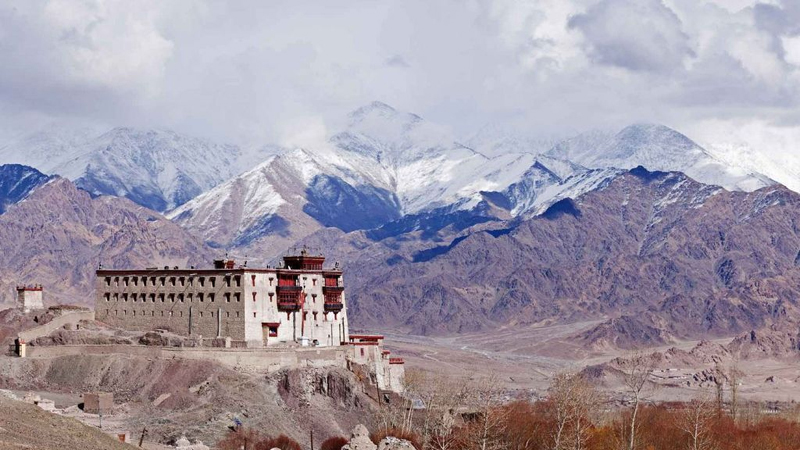
For decades, Ladakh has stood at a peculiar crossroads – blessed with breathtaking landscapes that draw visitors from across the world yet constrained by geographical isolation and climatic severity that have long kept conventional industries at bay. The Lieutenant Governor Administration’s decision to grant ‘industry’ status to hotels and guest houses registered with the Tourism Department is, therefore, not merely a policy tweak. It is a transformative intervention that touches the lives of virtually every individual in this cold desert union territory.
The harsh, unforgiving winters of Ladakh have historically rendered large-scale manufacturing and heavy industry nearly impossible. No factory can sustain operations when temperatures plummet to minus thirty degrees, and connectivity is severed for months. Nature, in its wisdom, denied Ladakh the industrial template that drives economies elsewhere. But nature also compensated generously – with monasteries perched on moonlit cliffs, pristine lakes, and high-altitude passes that fire the imagination of every traveller. Tourism, almost by default, became the backbone of Ladakh’s economy, sustaining livelihoods from Leh to the remotest hamlet in Zanskar. For years, however, the hospitality sector operated under commercial classifications, bearing higher electricity tariffs, commercial water rates, and limited access to concessional financing. Hotel and guesthouse owners – most of them local Ladakhis who invested their savings to capitalise on the tourism boom – bore these burdens silently. The industry status, effective June 1, 2026, corrects this long-standing anomaly. Lower power and water tariffs, concessional bank loans, property tax exemptions and access to industrial subsidies will directly reduce operational costs, making expansion both feasible and financially attractive.
The timing is equally significant. With all-weather connectivity projects progressing rapidly – both from the Jammu & Kashmir side via the Zojila tunnel and from Himachal Pradesh – Ladakh tourism is poised to shed its traditional six-month seasonal character. Year-round accessibility will inevitably multiply tourist footfall manifold, demanding proportionate expansion of accommodation, transport, and allied services. The industry status opens the gateway to the institutional credit required for exactly this expansion. The socio-economic ripple effects will be profound. Construction jobs, employment in hospitality, growth in local handicrafts and food supply chains – the benefits cascade across communities.
 Follow our WhatsApp channel
