

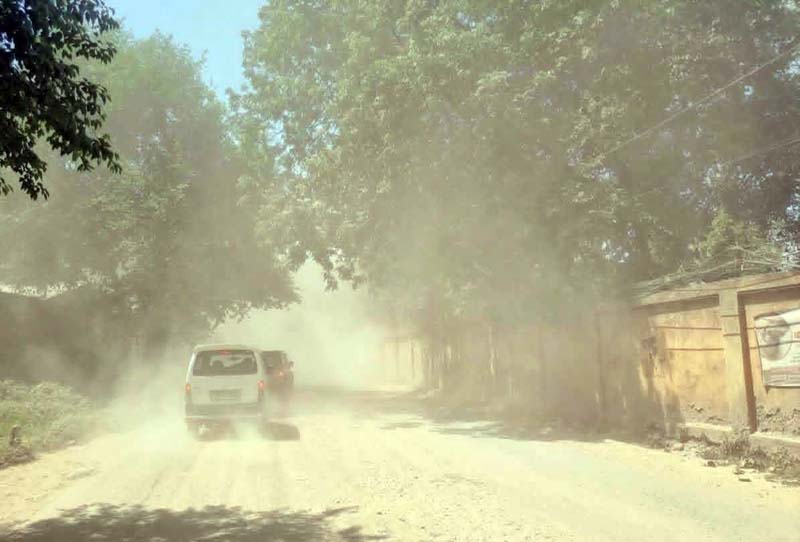
Jammu, the winter capital of Jammu & Kashmir, wears many proud titles – a city of temples, a gateway to the Himalayas, and a designated Smart City. Yet, step onto its roads, and the ground reality brutally dismantles every such claim. Jammu’s roads have degenerated into an unending maze of craters, broken asphalt, and dangerous potholes that test the patience – and safety – of every commuter, every single day. The deterioration has been years in the making, but has now reached crisis proportions. Last year’s monsoon delivered a devastating blow to whatever remained of the city’s road network. Blacktopping was washed away, embankments collapsed, and pits deepened into veritable trenches. What is unconscionable is the complete and wilful institutional indifference that followed. Months have elapsed. The potholes remain. The suffering continues.
Compounding this civic misery is the simultaneous reconstruction of national highways on the outskirts and through the city’s arteries. While infrastructure upgrades are necessary and welcome in the long run, the present reality is a perfect storm – construction debris, broken diversions, and pervasive dust pollution that hangs over Jammu like a shroud. Commuters are caught between the devil of crumbling city roads and the deep sea of highway construction chaos, with no respite in sight.
What makes this neglect politically indefensible is a telling calendar fact: the Civil Secretariat remained in Jammu until the end of April. Senior bureaucrats and ministers traversed these very roads for six months. The lip service of “tendering is underway” rings hollow for the daily wage worker, the school bus driver, the ambulance crew, and the two-wheeler rider navigating treacherous roads after dark – when potholes turn invisible, and accidents spike alarmingly. Traffic snarls caused by these broken roads cost Jammu’s economy precious hours daily. The human cost is starker still – accidents, vehicle damage, and the silent suffering of senior citizens and differently abled commuters who find even basic mobility a harrowing ordeal.
There is, however, reason for measured hope. A fresh budget has been passed. The monsoon season is approaching once again; the window to act is narrow. Authorities must move beyond tender paperwork and actually deploy machinery on the ground before the rains return and undo even that effort. The first and most visible mark of good governance is the condition of its roads. Jammu deserves better. Smart City funds, constituency development grants, flood restoration allocations – every available financial channel must be pressed into service urgently.
 Follow our WhatsApp channel
