

Excelsior Correspondent
JAMMU, Apr 27: Sandalwood cultivation, once largely confined to South India, is gaining ground in the north, with a model developed by Patanjali in Uttarakhand demonstrating its viability under suitable conditions.
The ‘Chandan Van’ initiative, led by Acharya Balkrishna, has shown encouraging results, prompting farmers and institutions across several districts to adopt the high-value crop.
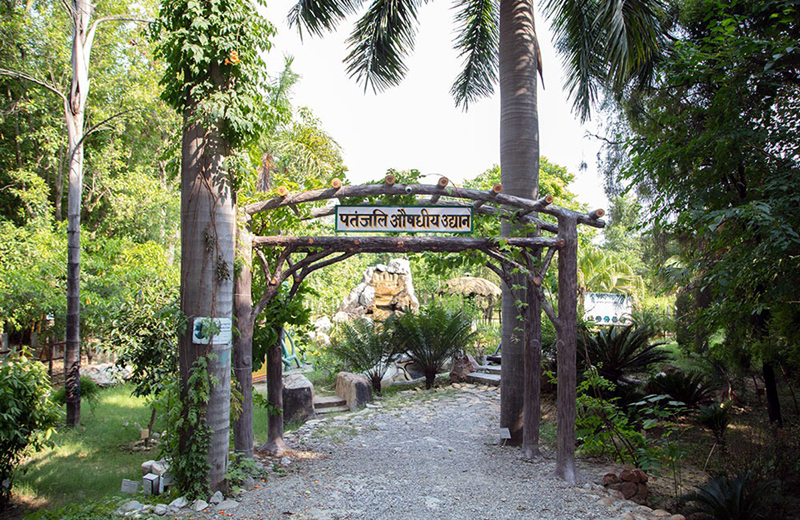
Nearly two decades ago, Acharya Balakrishna began experimenting with sandalwood cultivation at Patanjali’s research centre and medicinal gardens in Haridwar, at a time when such efforts were almost non-existent in North India. Scientific studies on the planted saplings yielded positive outcomes, paving the way for expansion into districts like Pauri and beyond.
Experts note that sandalwood is a semi-parasitic plant that derives nutrients from the roots of host species, making scientific cultivation practices and proper management essential for success.
The initiative was partly inspired by historical references to sandalwood presence in Uttarakhand’s Manikut hills, from where the wood was once transported to Kannauj in Uttar Pradesh. Subsequent field studies confirmed limited natural occurrence, encouraging organized plantation efforts in the region.
Beyond agriculture, the model is being projected as a tool to address migration from the hill state. Speaking at a conference at Indian Institute of Technology Roorkee, Acharya Balakrishna said sustainable livelihoods could be created locally by utilizing regional resources effectively.
He cited the example of Yamkeshwar block, where barren land was transformed into a green cover through plantation drives suited to local climatic conditions, including sandalwood. During a visit, Uttar Pradesh Chief Minister Yogi Adityanath expressed surprise at the transformation of once-unproductive land into dense greenery.
According to Patanjali, sandalwood cultivation requires relatively small landholdings and matures in 10–15 years, with each tree potentially yielding returns of Rs 1–1.5 lakh. Proponents believe large-scale adoption of the ‘Chandan Van’ model could enhance farmer incomes while creating sustainable employment opportunities in Uttarakhand’s hill regions.
 Follow our WhatsApp channel
