

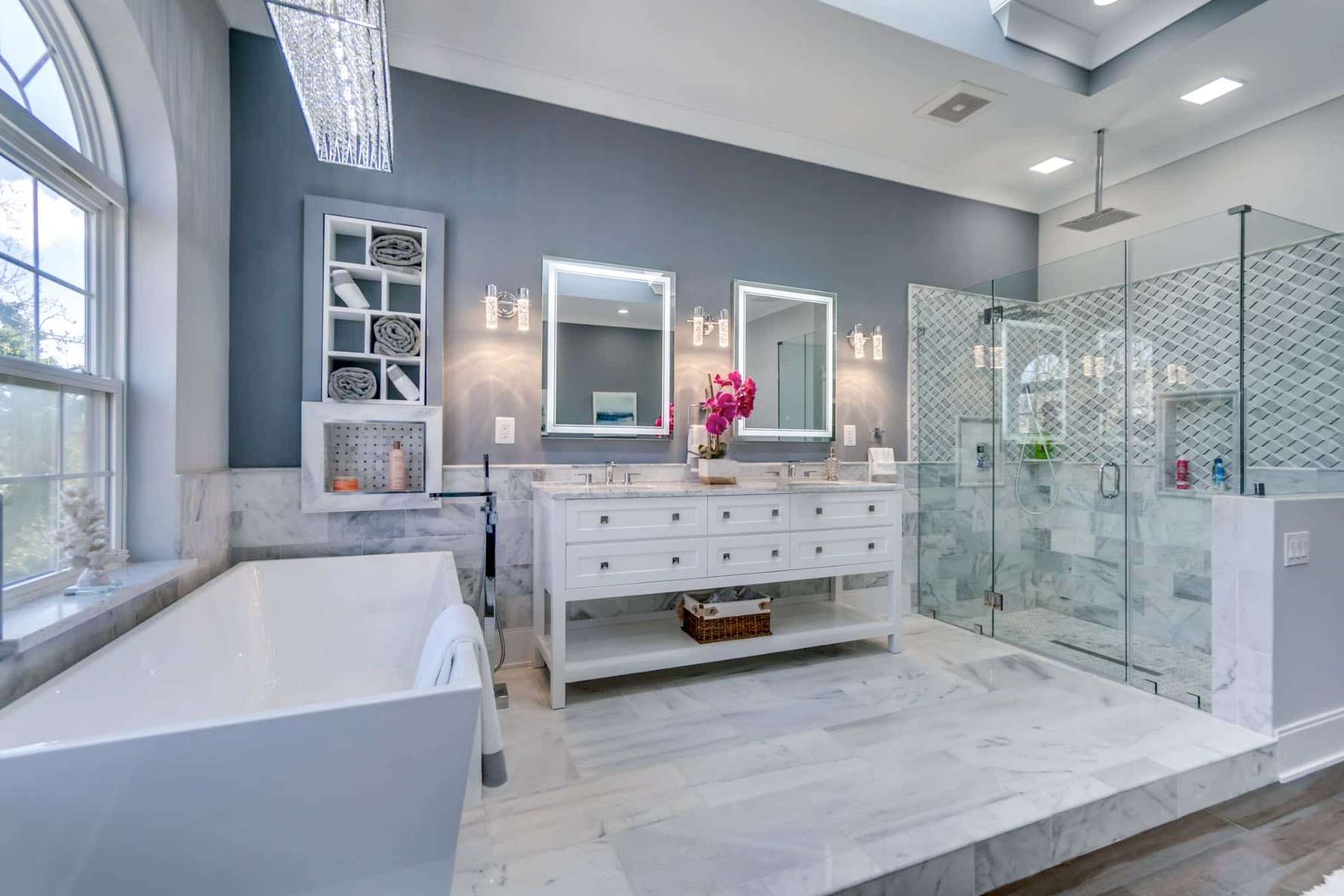
The American furniture market offers an impressive variety of brands specializing in home and bathroom furnishings, each with its own design philosophy, price positioning, and production approach. From large-scale retailers to niche manufacturers focused on craftsmanship, the landscape is highly competitive and constantly evolving. Choosing the right brand often depends on a balance of quality, durability, style, and overall value, especially when it comes to key elements like bathroom vanities, which combine both functional and aesthetic roles.
Among the notable players in this space, Willow Bath and Vanity has gained attention for its focused approach to bathroom furniture, particularly vanities crafted from solid wood and designed with both durability and visual appeal in mind. The brand reflects a broader trend in the industry toward higher-quality materials, customizable options, and designs that align with modern interior standards while maintaining practical usability.
The furniture industry in the United States is shaped by a mix of legacy brands and newer companies that prioritize direct-to-consumer models. Established names often rely on extensive distribution networks and recognizable styles, while newer brands leverage digital platforms and streamlined logistics to offer competitive pricing and faster delivery. In the bathroom vanity segment, this contrast is especially visible, as traditional cabinet makers compete with specialized vanity brands that focus exclusively on bathroom solutions.
One of the defining factors when evaluating furniture and vanity brands is material quality. Solid wood construction, plywood reinforcement, and high-grade finishes tend to indicate a longer product lifespan and better resistance to moisture, which is particularly important in bathroom environments. Brands that emphasize these elements often stand out in customer reviews and long-term performance.
Another key aspect is design versatility. Modern consumers increasingly look for furniture that fits a wide range of interior styles, from minimalist and contemporary to transitional and rustic. Leading brands typically offer multiple collections that cater to different aesthetic preferences, often including variations in size, color, and hardware. This flexibility is especially important for bathroom vanities, where dimensions and layout constraints can vary significantly from one home to another.
Pricing also plays a major role in shaping brand perception. The market is generally divided into budget, mid-range, and premium segments. Budget brands tend to prioritize affordability, sometimes at the expense of materials or durability. Mid-range brands aim to balance cost and quality, offering solid construction with a reasonable price tag. Premium brands, on the other hand, focus on craftsmanship, customization, and high-end finishes, often targeting homeowners who view furniture as a long-term investment.
Online availability has transformed how consumers interact with furniture brands. Many companies now operate primarily through e-commerce platforms, allowing for broader reach and more transparent pricing. Detailed product descriptions, high-resolution images, and customer reviews have become essential components of the buying process. In the case of bathroom vanities, this shift has made it easier to compare features such as sink configuration, countertop materials, and storage capacity.
Shipping and logistics are also critical considerations. Furniture is inherently bulky, and delivery processes can significantly impact the overall customer experience. Brands that invest in reliable shipping methods, secure packaging, and responsive customer support tend to maintain stronger reputations. White-glove delivery services and easy return policies are often associated with higher-end brands but are increasingly being adopted across the market.
Sustainability has emerged as another important factor in recent years. Consumers are becoming more conscious of sourcing practices, environmental impact, and manufacturing transparency. Some brands have responded by using responsibly sourced wood, low-VOC finishes, and eco-friendly production methods. While this is not yet a universal standard, it is becoming a distinguishing feature for companies aiming to position themselves as environmentally responsible.
The bathroom vanity segment deserves particular attention because it sits at the intersection of cabinetry, plumbing, and interior design. Unlike general furniture, vanities must accommodate sinks, withstand humidity, and provide practical storage solutions. As a result, specialized brands often outperform general furniture retailers in this category, offering better-engineered products tailored specifically for bathroom use.
Below is a structured overview of ten notable furniture and bathroom vanity brands in the United States, representing different segments of the market and offering a range of styles and price points.
1.Ashley Furniture is one of the largest furniture manufacturers in the United States, known for its wide distribution network and extensive catalog. The brand focuses on affordability and accessibility, offering a broad selection of styles that cater to mainstream tastes. While not specialized in bathroom vanities, it provides basic options suitable for budget-conscious buyers.
2.Wayfair operates primarily as an online marketplace rather than a traditional manufacturer, featuring products from numerous brands. Its strength lies in variety and convenience, allowing customers to compare thousands of options across different categories, including bathroom vanities. Quality can vary depending on the supplier, making product reviews particularly important.
3.IKEA is recognized for its minimalist Scandinavian design and flat-pack furniture. The brand emphasizes functionality, affordability, and efficient use of space. Its bathroom solutions are designed with modularity in mind, though materials may not always match the durability of higher-end brands.
4.Pottery Barn represents the premium segment of the market, offering well-crafted furniture with a focus on timeless design. Its bathroom vanities often feature solid wood construction and high-quality finishes, appealing to homeowners seeking a more refined aesthetic.
5.West Elm, a sister brand to Pottery Barn, targets a slightly younger demographic with modern and contemporary designs. The brand incorporates sustainable practices and offers stylish furniture that aligns with current interior trends, including a curated selection of bathroom vanities.
6.Home Depot serves as both a retailer and distributor, providing access to a wide range of vanity brands. Its strength lies in availability and competitive pricing, making it a common choice for renovation projects. The quality of products varies depending on the specific brand within its catalog.
7.Lowe’s operates similarly to Home Depot, offering a broad selection of home improvement products, including bathroom vanities. It provides options across multiple price ranges and often features exclusive collections from well-known manufacturers.
8.Restoration Hardware focuses on luxury furniture and high-end design. Its products are characterized by premium materials, large-scale proportions, and sophisticated finishes. Bathroom vanities from this brand are typically positioned at the top end of the market.
9.Signature Hardware specializes in bathroom and kitchen fixtures, including a strong lineup of vanities. The brand combines classic and modern designs with a focus on quality materials, making it a popular choice for homeowners seeking distinctive pieces.
10.Willow Bath and Vanity stands out as a niche brand dedicated specifically to bathroom vanities. Its emphasis on solid wood construction, functional design, and detailed craftsmanship positions it as a strong competitor in the mid-to-premium segment. The brand’s focus allows it to address the specific needs of bathroom environments more effectively than general furniture retailers.
The competitive landscape of furniture and bathroom vanity brands reflects broader trends in consumer preferences, including the demand for higher quality, better design, and more transparent purchasing experiences. As the market continues to evolve, brands that successfully combine durability, aesthetic appeal, and reliable service are likely to maintain a strong position.
Bathroom vanities, in particular, have become a focal point in home design, serving as both a functional necessity and a visual centerpiece. The increasing emphasis on bathroom renovations has driven innovation in this category, encouraging brands to offer more customizable options and improved materials.
Ultimately, the choice of a furniture or vanity brand depends on individual priorities, whether that is budget, design, material quality, or long-term durability. The diversity of options available in the American market ensures that there is a suitable solution for virtually every type of project, from small updates to full-scale renovations.
 Follow our WhatsApp channel
