

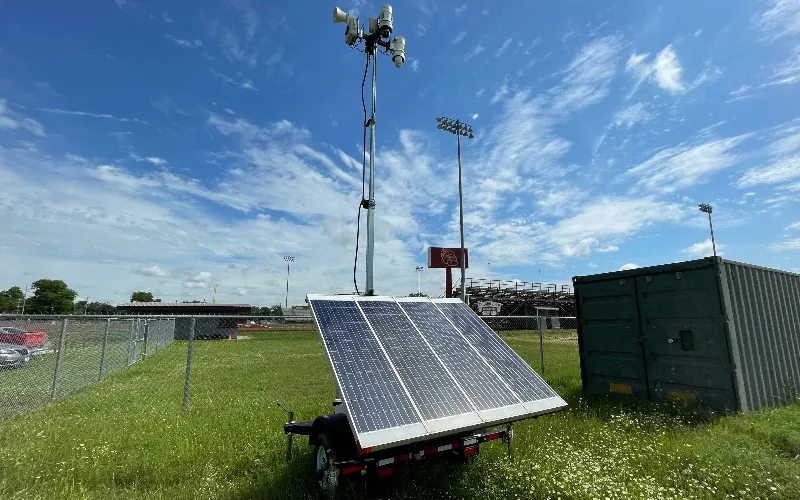
The unearthing of a sophisticated espionage network spanning Punjab, Haryana, Rajasthan and Jammu and Kashmir is a stark reminder that the adversary across the border has adapted seamlessly to the digital age. What was once the domain of human couriers and dead drops has been replaced by solar-powered CCTV cameras fitted with independent SIM cards and linked to mobile applications – transmitting live footage of Indian Army movements directly to handlers in Pakistan. The operational ingenuity of this network is deeply troubling. The cameras were not installed carelessly. Accused operatives conducted detailed prior reconnaissance before selecting vantage points offering unobstructed sightlines of cantonment perimeters, border highways and troop mobilisation corridors. The use of solar power eliminated dependence on any local grid, making detection considerably harder. Fake identity-linked SIM cards ensured digital anonymity. It was a methodically engineered surveillance architecture, and it was functioning with alarming efficiency.
What compounds the danger is the context of the drone age in which we now operate. Live visual feeds from strategically positioned cameras do not merely inform – they enable precision. Pakistan-based handlers receiving real-time footage of troop movements are, in effect, receiving dynamic locational intelligence equivalent to live GPS coordinates. Combined with drone capabilities, such inputs could facilitate targeted strikes, route ambushes or coordinated cross-border operations. History offers grim precedents: several past attacks on security convoys bore the hallmarks of prior surveillance intelligence. The connection between live monitoring and lethal planning is not speculative – it is established operational doctrine for adversary networks.
Equally disturbing is the social profile of those arrested. Eleven individuals – ranging from a business graduate returned from New Zealand to daily-wage workers engaged in wallpaper pasting – were drawn into this web through narco-trafficking connections, encrypted communications and familial links to cross-border smuggling. Their recruitment signals a systematic and deliberate effort to exploit economically vulnerable youth in border communities. The convergence of espionage, arms trafficking and drug networks into one coordinated module reveals how deeply Pakistan’s intelligence apparatus has penetrated. With eleven arrests made and investigations actively ongoing, more threads of this network will inevitably unravel. Security agencies must move with urgency to map every handler link, sleeper cell and installation that may remain active. Constant, technologically informed vigilance – matched with determined community outreach to shield border-belt youth from recruitment – is the only credible answer to an adversary that deploys every available innovation in the relentless service of subversion.
 Follow our WhatsApp channel
