

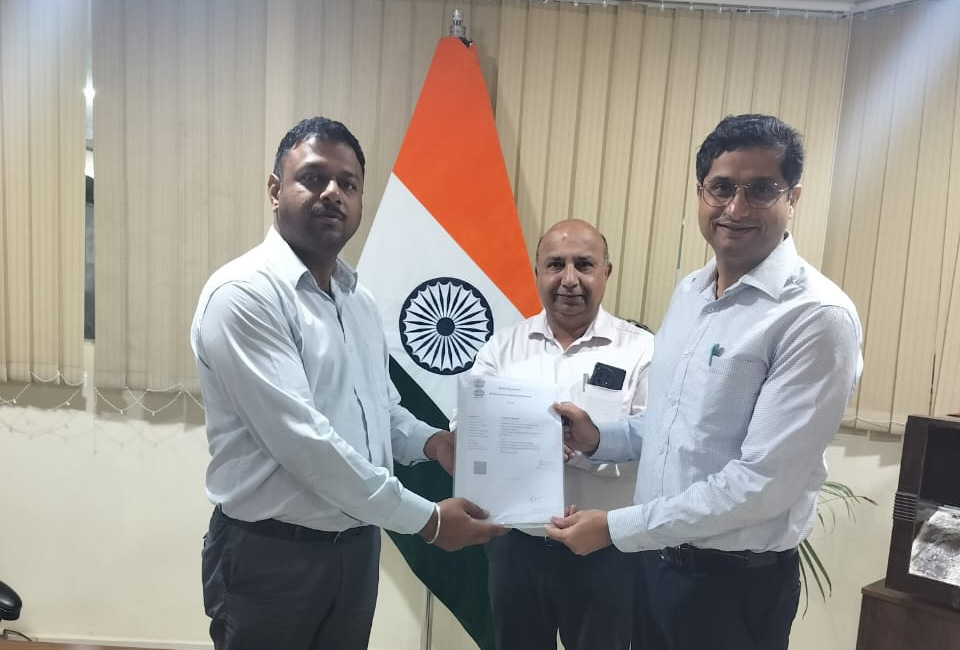
JAMMU, Apr 13: The Railways and Bharat Petroleum Corporation Limited (BPCL) on Monday signed an agreement for the development of a Gati Shakti multi-modal cargo terminal in outskirts of Jammu city.
The project is aimed at boosting freight movement and strengthening the region’s energy supply chain.
The agreement was signed between Senior Divisional Commercial Manager Uchit Singhal on behalf of the Jammu division and Territory Manager (Retail) Jammu, Chandan Chauhan, representing BPCL, a Railways spokesperson said.
He said that the project will enhance logistics efficiency for the Jammu common user facility by ensuring smooth and reliable movement of petroleum products.
The terminal at Bajalta, developed under the Centre’s Gati Shakti initiative, is expected to significantly improve coordination between the Railways and public sector undertakings in facilitating trade and infrastructure growth.
With a total storage capacity of 109,225 kilolitres, the terminal will be capable of handling two rakes per day, enabling a monthly supply of around 162,000 metric tonnes of petroleum products, according to the MoU.
“The facility will use modern tank wagons for safe and efficient handling operations and is scheduled to become operational by the end of this month,” it said.
The project is being seen as a major step towards ensuring uninterrupted, yearround fuel supply to strategically important regions of Jammu and Kashmir and Ladakh, it added.
Speaking on the occasion, Singhal said that the commissioning of the terminal would reduce the burden of tank lorries on Jammu city roads, leading to smoother traffic flow.
He added that shifting freight movement from road to rail would cut carbon emissions, lower logistics costs, and improve efficiency for industries, besides generating direct and indirect employment opportunities in the region.
The official also said that transportation of petroleum products through dedicated tank wagons and a modern terminal would significantly enhance safety, health, and environmental standards.
The terminal, equipped with advanced automation and strong rail-road connectivity, is expected to serve as a key logistics hub for the region in the long term, officials said.
 Follow our WhatsApp channel
