

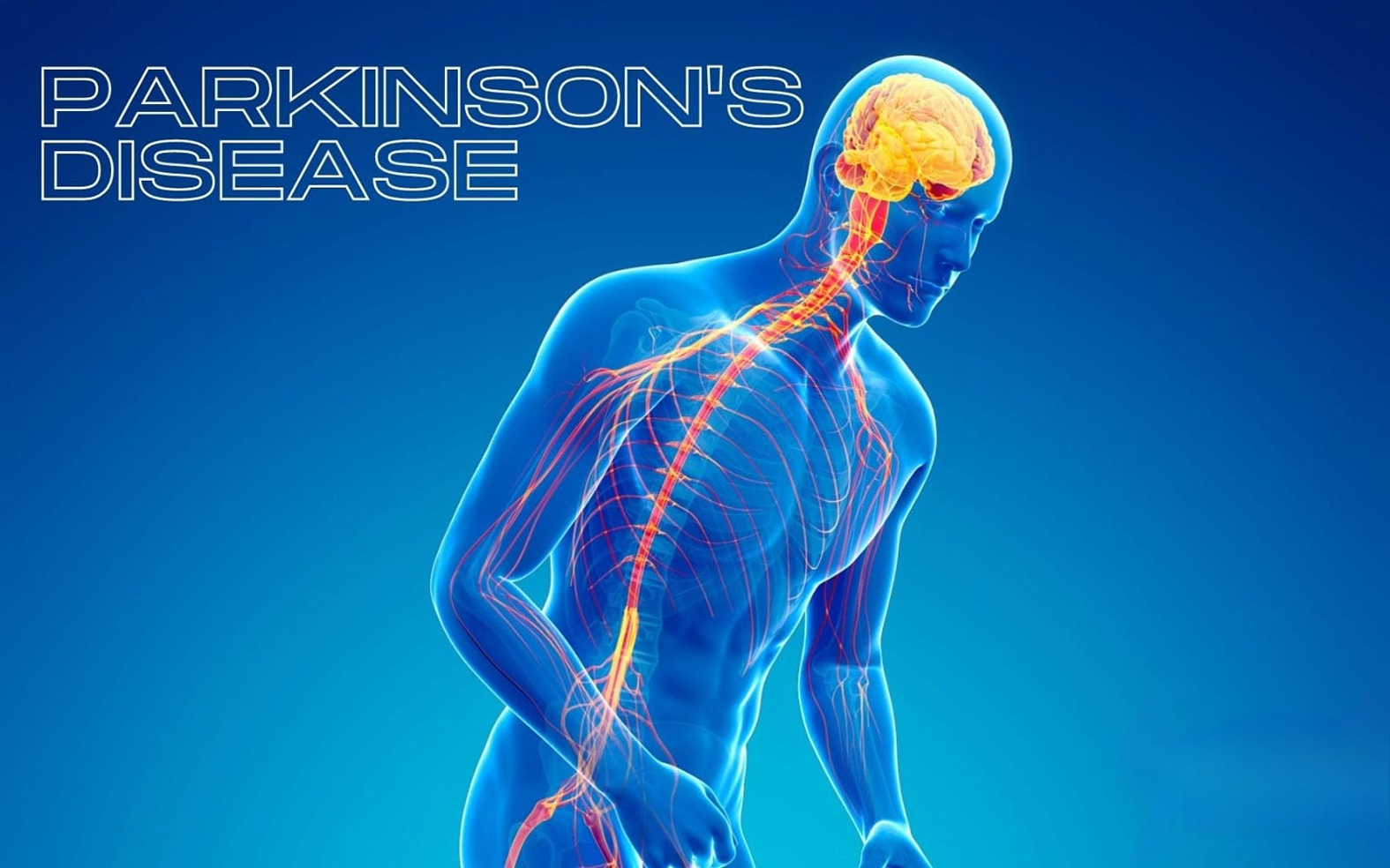
NEW DELHI, Apr 11: Parkinson’s, a neurodegenerative disorder once considered an illness of the elderly, is increasingly being diagnosed in younger adults.
New research and frontline doctors are sounding the alarm over a sharp rise in early-onset cases , and the medical community is racing to understand why.
In India, the onset of the disease is estimated to occur nearly a decade earlier than the global average, which typically falls between 55 and 65 years, according to a 2024 study published in the Journal of Clinical Neuroscience.
Early-onset cases, defined as those occurring between the ages of 22 and 49, are also rising, accounting for an estimated 32 to 45 per cent of cases in the country, according to a 2025 study published in the journal Movement Disorders.
Doctors at the All India Institute of Medical Sciences (AIIMS), New Delhi, say they are seeing more patients in their 30s and 40s.
“Patients with symptoms of Parkinson’s are visiting hospitals at younger ages, in their 30s and 40s. I have treated a patient as young as 25 years,” said Dr P Sarat Chandra, Head of Department, Neurosurgery, AIIMS, New Delhi.
Elaborating on the early onset of the debilitating disease, experts from AIIMS underscored that current research is limited in scope and that it is challenging to identify a single factor that might cause the disease.
“Because Parkinson’s can take years to develop and may be linked to exposure to multiple toxins, it is difficult to gather data and determine its causes in younger adults,” Dr Chandra explained.
While exposure to toxins is a well-established cause of Parkinson’s in animal models that are used to study the disease in research labs, Dr Chandra said, “We must exercise caution in conducting these experiments on humans unnecessarily.”
As early-onset Parkinson’s becomes more common, a surgical treatment called Deep Brain Stimulation (DBS) is gaining prominence as a more convenient option, which obviates the need to pop pills throughout a patient’s life.
In DBS, after cutting open the brain, two electrodes are inserted on each side of the brain to deliver electrical signals that help regulate abnormal nerve activity and control movement-related symptoms, particularly in the hands and feet.
Advances in technology have made the procedure more precise, said Dr Chandra, allowing surgeons to monitor its impact on patients in real time during surgery, an advantage not currently available with non-invasive techniques such as focused ultrasound, which is expected to be introduced at AIIMS, New Delhi.
Since 2017, more than 1,000 patients have undergone DBS at AIIMS, New Delhi. Dr Chandra, who performs about three such surgeries each week, has personally conducted around 200 procedures.
However, doctors do not recommend this intervention immediately after diagnosis. Medication remains the first-line treatment for 70-80 per cent of patients.
Surgery is typically considered only when patients stop responding to medicines or develop significant side effects, such as dyskinesia, characterised by involuntary, erratic movements ranging from jerks to writhing spasms, after a careful clinical evaluation.
There is currently no cure for Parkinson’s, a neurological disorder caused by the loss of dopamine-producing brain cells. Treatment, however, focuses on managing symptoms and helping patients maintain a good quality of life.
“The available treatment allows you to live a life that is quite rewarding,” said Pramesh Ratnakar, a former professor at Delhi University, who has been living with the disease for nearly 14 years.
On Friday, Ratnakar stood at the Gymkhana Club at AIIMS, playing a game of table tennis during a Parkinson’s awareness event-a striking contrast to three years ago, when he was largely bedridden after his medication stopped working nearly a decade into his treatment.
Following medical intervention, he was advised to undergo Deep Brain Stimulation (DBS). Three years after the surgery, he says he is now able to lead a reasonably active life.
While treatments can help manage symptoms, the disease, if left untreated, can gradually interfere with everyday activities such as walking, talking, swallowing, dressing, and writing. (UNI)
 Follow our WhatsApp channel
