

Excelsior Correspondent
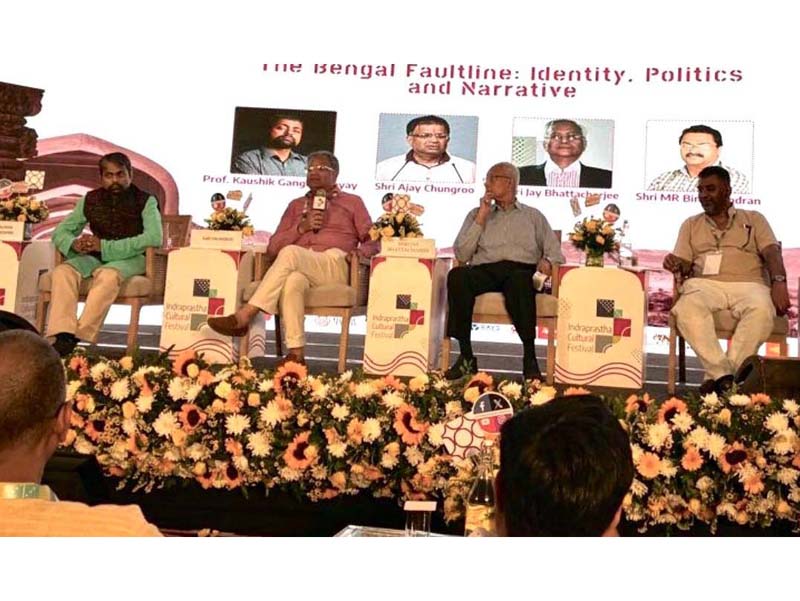
NEW DELHI, Apr 6: In the ongoing Indraprastha Festival, here Dr. Ajay Chrungoo, Chairman, Panun Kashmir (PK) , highlighted linkages between the Bangladesh genocide of 1971, the exodus of Kashmiri Hindus in the 1990s, and contemporary developments in Bengal and Bangladesh and Kashmir.
During the session “The Bengal Faultline: identity, politics and narrative” he drew upon his lived experience as a member of the displaced Kashmiri Hindu community and emphasised the need to examine the experiences of Hindu minorities living in Muslim majority areas through a long-term and comparative lens of genocidal attrition.
He argued that these are not isolated episodes, but reflect recurring patterns of ideological radicalization, narrative control, and sustained genocidal pressure on vulnerable communities.
Dr. Chrungoo further implored for urgent and concrete action, outlining two specific priorities recognition of the Hindu Genocides in Kashmir and both parts of Bengal as a foundational step toward justice and historical truth and creation of consciousness amongst Hindus to reverse Genocidal processes, ensuring restoration of rights, dignity, and long-term security of the displaced Hindu communities. He emphasized the grave dangers of policies based on Denial of Genocide.
He also underlined that beyond political contingencies, certain exclusivist ideological interpretations can, in specific contexts, legitimise marginalisation and displacement. Calling for greater intellectual honesty and engagement, he urged academia, media, and policymakers to acknowledge these patterns and ensure that the voices and experiences of affected communities remain central to national discourse.
 Follow our WhatsApp channel
