

The assertion by LG that border villages are India’s “first line of defence” is deeply practical. These settlements, situated along the LoC, IB, and LAC, are not merely geographic extremities; they are living frontiers where national sovereignty is experienced on a daily basis. Yet, for decades, the same residents who embody resilience and patriotism have borne the harshest consequences of conflict, underdevelopment, and administrative neglect. Border communities have historically faced a unique convergence of challenges. Frequent shelling and cross-border tensions disrupt normal life, often forcing families to abandon homes and agricultural lands. The inability to cultivate fields due to security risks has long undermined livelihoods, while inadequate compensation mechanisms compounded distress. Basic services-such as healthcare, education, road connectivity, and banking access-remained either absent or inconsistent, triggering migration to urban centres. This outflow, while understandable, weakened the socio-economic fabric of these strategically critical regions.
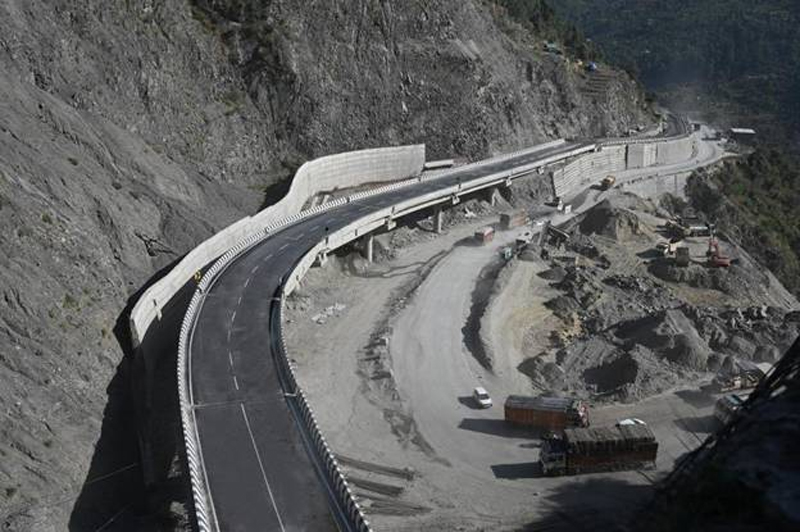
In recent years, however, a visible policy shift has begun to address these structural deficiencies. Under the broader developmental vision led by PM, border villages have moved from the periphery of governance to its centre. The emphasis is no longer limited to security infrastructure alone. One of the most transformative interventions has been the strengthening of border road networks. Improved connectivity has not only facilitated troop movement but also integrated remote villages with markets, healthcare facilities, and administrative centres. Parallel to this, mobile connectivity has expanded significantly, bridging the digital divide and enabling access to education, telemedicine, and financial services. The Vibrant Villages Programme represents a cornerstone of this strategy. With dedicated financial outlays and targeted interventions, the programme seeks to plug infrastructural gaps in education, healthcare, and community facilities. Model Anganwadi centres, health sub-centres, and improved schooling infrastructure are gradually redefining the quality of life in these regions. Equally significant is the push towards ensuring adequate staffing.
Livelihood generation has also received focused attention. Initiatives promoting agriculture, horticulture, dairy, and allied sectors are helping restore economic stability. The resolution of long-pending issues such as compensation for land affected by shelling, rights to cultivate border land, and ownership claims of displaced persons marks a critical step. Access to institutional finance has improved with the expansion of Grameen and other banking networks, enabling villagers to benefit from Government schemes and credit facilities.
Importantly, governance in border areas is increasingly characterised by innovation and adaptability. Ambulance services, telemedicine facilities, and community bunkers reflect “out-of-the-box” solutions tailored to the unique vulnerabilities of these regions. The construction of bunkers, in particular, underscores a pragmatic approach to civilian safety in conflict-prone zones. Simultaneously, the promotion of local entrepreneurship and self-help groups is fostering a culture of self-reliance. Tourism has emerged as an unexpected but promising avenue. Border tourism, including initiatives supported by the Army, is opening new economic opportunities while fostering national integration. By showcasing the cultural and natural richness of these areas, such efforts are transforming perceptions of border villages-from conflict zones to potential hubs of sustainable development.
A key factor underpinning these initiatives is sustained administrative oversight. The active monitoring by the Lieutenant Governor, periodic reviews, and the deputation of senior bureaucrats as nodal officers have injected accountability into the system. Governance, in this context, is not a one-time intervention but a continuous process requiring feedback, course correction, and responsiveness to evolving ground realities. Yet, despite undeniable progress, challenges remain. The sheer scale-given the large number of villages along multiple borders-demands sustained financial commitment and administrative focus. Infrastructure gaps, though narrowing, are not fully bridged. Ensuring consistent service delivery, particularly in education and healthcare, will require long-term institutional strengthening.
What stands out, however, is the clarity of intent and the consistency of effort. The Government’s approach reflects an understanding that border development is not merely a welfare exercise but a strategic imperative. By addressing both immediate vulnerabilities and long-term aspirations, these initiatives aim to transform border villages into resilient, self-sustaining communities. The true measure of success will lie in reversing migration trends, ensuring economic stability, and instilling confidence among residents that their future lies within their villages. Border villages may indeed be the first line of defence, but they must also become the first beneficiaries of development.
 Follow our WhatsApp channel
