

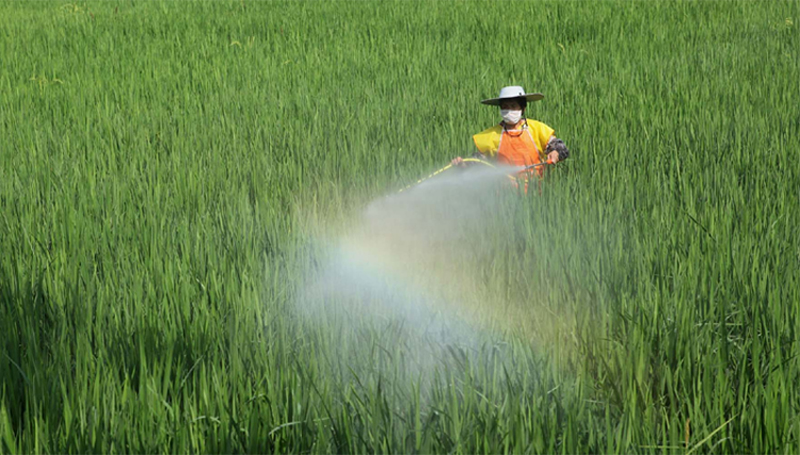
The detection of 190 spurious or substandard pesticide samples across Jammu and Kashmir over the past three years may appear statistically modest against the thousands of samples tested. Yet, the implications are far from trivial. In an agrarian economy that increasingly relies on high-value, export-oriented produce, even a marginal presence of unsafe agrochemicals carries disproportionate risks-for public health, ecological stability, and market credibility. Jammu and Kashmir is not merely a subsistence farming region; it is a critical supplier of premium agricultural and horticultural products. From aromatic basmati rice and the globally prized saffron to apples, cherries, almonds, and walnuts, the Union Territory’s produce is deeply embedded in both domestic and international markets. These commodities are subject to stringent quality checks, especially in export destinations where pesticide residue norms are uncompromising. A single consignment contaminated with banned or substandard chemicals can lead to outright rejection, financial losses, and long-term reputational damage. Worse, repeated violations can trigger stricter scrutiny or even embargoes, jeopardising entire value chains.
The health dimension is equally alarming. Pesticides that fail to meet prescribed standards are not merely regulatory violations-they are potential carriers of chronic toxicity. Residues in food consumed daily can accumulate over time, contributing to serious ailments ranging from hormonal disorders to cancers. The risk is not confined to direct consumption alone. Contaminated runoff seeps into water bodies and groundwater, affecting drinking water sources and aquatic ecosystems. This cascading effect disrupts biodiversity and compromises ecological balance, with long-term consequences that are often irreversible.
Against this backdrop, the efforts of enforcement agencies in conducting over 12,500 inspections and analysing more than 10,000 samples deserve recognition. The initiation of prosecutions and imposition of fines signal an active regulatory framework. However, the data also reveals systemic gaps that need urgent attention. A significant number of samples initially flagged as substandard were later declared compliant upon re-analysis. While this may reflect procedural safeguards, it also raises concerns about consistency and credibility in testing protocols. To ensure transparency and eliminate doubts, re-verification of failed samples must be conducted by independent or accredited third-party laboratories rather than the same testing ecosystem. This will not only enhance trust but also reduce the possibility of procedural lapses or external influence. Equally critical is the need for a foolproof sampling mechanism.
The regional imbalance in violations-with Kashmir accounting for the overwhelming majority-also warrants closer scrutiny. This could be due to higher agricultural intensity, but it may also indicate uneven enforcement or supply chain vulnerabilities. Identifying the source of these spurious inputs is essential. Crackdowns must extend beyond retailers to trace manufacturers and distributors, even if they operate outside the Union Territory. Without dismantling the supply networks, enforcement at the field level will remain a reactive exercise. Farmer awareness is another crucial pillar. Many cultivators may unknowingly use substandard or counterfeit pesticides, lured by lower costs or misleading claims. Extension services must intensify outreach, educating farmers about the risks-both economic and health-related-associated with such products. Demonstrating the long-term benefits of certified inputs and integrated pest management practices can shift behaviour sustainably. In this context, the push towards organic and low-chemical farming assumes greater significance. Jammu and Kashmir, with its relatively low industrial footprint, is well-positioned to transition towards organic cultivation, especially for niche export markets. Encouraging the use of biopesticides and natural alternatives can reduce dependency on synthetic chemicals while enhancing product value.
The issue is not about the scale of violations but their very existence. Even a handful of contaminated samples is a warning signal in a system that must aspire for zero tolerance. Economic pressures or the lure of marginal savings cannot justify risks to public health or environmental integrity. Safeguarding the purity of J&K’s agricultural output is a collective obligation involving policymakers, enforcement agencies, farmers, and consumers alike. The path forward lies in tightening surveillance, ensuring accountability across the supply chain, and fostering a culture of informed, responsible farming.
 Follow our WhatsApp channel
