

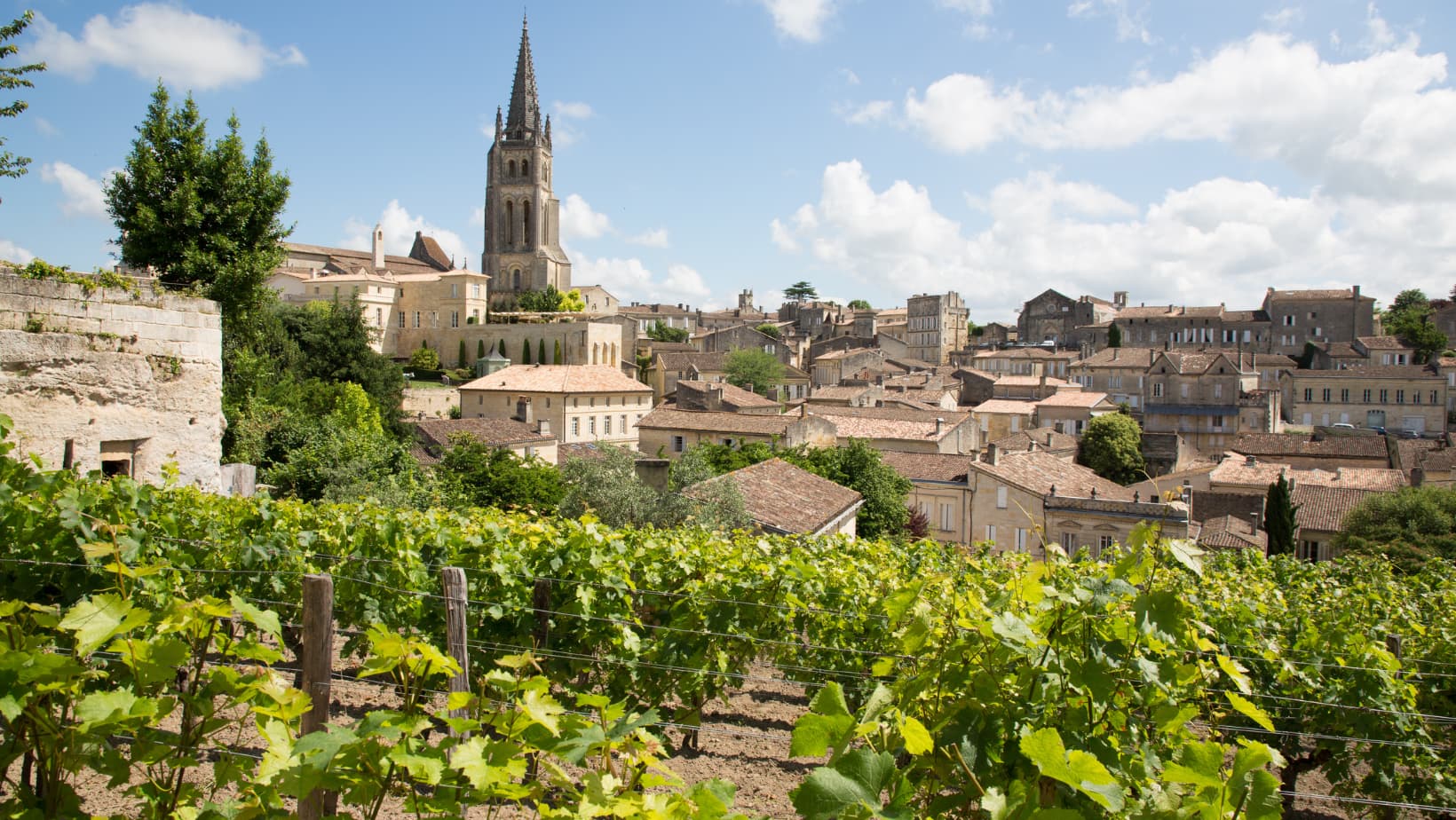
“Bordeaux must mean ‘boredom’ in some ancient language,” Rick Steves famously wrote in his Europe Through the Back Door guidebook. “If I were offered a free trip to that town, I’d stay home and clean the fridge.” For most travel advisors, having America’s most influential guidebook author publicly trash a destination would spell disaster.
For Stephanie Bowers, a former U.S. diplomat turned luxury travel designer, it’s the perfect strategic advantage. While millions of guidebook-toting Americans dutifully skip Bordeaux—literally routing through on trains to Carcassonne without stopping—Bowers’ clients discover what the masses overlook: a UNESCO World Heritage city offering Parisian sophistication without the tourist density, where relationships rather than resources determine access.
Bowers brings something rare to luxury travel planning: two decades navigating diplomatic protocol, coordinating crisis responses across U.S. agencies, and building trust-based relationships in relationship-driven cultures. Her diplomatic postings—from managing Hurricane Dorian relief operations as Chargé d’Affaires in The Bahamas to negotiating market access for U.S. companies in South Africa—taught her that genuine access comes through cultural fluency, not concierge services.
Why Bordeaux Works for Clients Who’ve Done Everything Else
Bordeaux wore the nickname “La Belle Endormie”—Sleeping Beauty—throughout the 20th century as industrial grime obscured its potential. Then Mayor Alain Juppé initiated a transformation that earned UNESCO World Heritage recognition in 2007 for 1,810 hectares of restored 18th-century architecture—the largest urban designation ever awarded. The industrial riverfront became gardens and promenades; the Miroir d’eau created a contemporary public space that respected historic palaces; and a ground-level tram system preserved architectural sightlines.
More importantly, Bordeaux maintained cultural authenticity during this renaissance. “Bordeaux is overlooked by the guidebook-toting masses,” Bowers notes in her one-week Bordeaux travel guide, positioning it as “a pint-sized Paris, without the crowds and yet all of the culture.” Her annual trips aren’t leisure visits—they’re relationship-building missions that cultivate connections with château owners, artisan producers, and cultural institutions that provide access to wealth alone cannot purchase.
What Access Actually Looks Like
Bowers’ Bordeaux itineraries don’t follow wine-tasting checklists. They balance UNESCO architectural heritage with wine culture, incorporating Left Bank and Right Bank appellations based on client sophistication rather than fame. A family new to Bordeaux might focus on Médoc’s approachable Grand Cru estates and Saint-Émilion’s medieval charm. Serious collectors receive introductions to producers whose cellars rarely welcome visitors.
The differentiator isn’t budget—it’s protocol. Grand Cru Classé châteaux don’t accept walk-in visitors. Michelin-starred restaurants with months-long waitlists sometimes accommodate last-minute requests when approached through proper channels. Historic properties closed to the public occasionally open for private tours when requested by advisors with established credibility.
Bowers’ multilingual fluency in English, French, and Spanish navigates cultural hierarchies that confound even experienced travelers. She understands when “no” means “not through standard channels” versus genuine unavailability. Her diplomatic training in cross-cultural negotiation—from coordinating billion-dollar assistance programs to managing embassy operations across 11 U.S. agencies—directly translates into securing château access that concierge services cannot replicate.
Discretion Over Display
Bowers’ clients don’t seek Bordeaux for Instagram moments or wine-tasting checklists. They seek cultural authenticity and culinary excellence without the tourist theater increasingly defining European luxury travel.
Her approach prioritizes discretion. She places her name on reservations to protect client privacy, particularly for recognizable figures. She coordinates timing to avoid cruise ship crowds. She arranges private museum access during closed hours rather than VIP fast-tracking through public touring times.
The city itself offers natural advantages. Bordeaux has more protected historic monuments than any other French city except Paris, yet it lacks the density of international tourists. The 18th-century prosperity from colonial trade introduced culinary innovations that Paris would later claim: chocolate-making expertise brought by banished Spanish Jews and desserts created by inventive chocolatiers working with vanilla, sugar, and spices from overseas commerce.
Contemporary Bordeaux balances heritage with innovation. La Cité du Vin offers multi-sensory wine exhibitions. Design-forward boutique hotels occupy restored wine merchant mansions on the Quai des Chartrons, where British traders once dominated the trade. The Miroir d’eau creates visual spectacle without compromising the Place de la Bourse that frames it.
For clients seeking what the industry terms “hushpitality”—low-stimulus luxury emphasizing authentic connection over social media moments—Bordeaux represents exactly what overtourism-fatigued travelers increasingly prioritize.
The Japan Proof of Concept
Bordeaux exemplifies Bowers’ broader methodology, but her most dramatic demonstration of relationship-driven access came with a client’s 60th birthday celebration in Japan—16 travelers spanning three generations, requiring experiences that felt intimate despite group logistics.
Japan’s egalitarian culture means money alone doesn’t unlock closed doors; trust does. Starting with an introduction through a prominent correspondent for Japan, Bowers networked to connections enabling bespoke experiences: a private concert by a former Kodo Drummer who composed custom music for the family, a commissioned manga portrait by an award-winning artist, and behind-the-scenes access at a cult design-forward sake brewery where only Michelin chefs had previously visited.
The 60th birthday evening itself took place in a Kyoto temple normally closed to visitors, featuring Japan’s foremost ikebana master, one of the country’s top mixologists, and Nobu’s longtime former executive chef flown in specifically. A master swordsmith—the last apprentice to a Living National Treasure—guided every family member through forging their own blade.
This approach translates directly to Bordeaux, where cultural protocol and relationship navigation determine what becomes possible.
Why Overlooked Destinations Matter More
While Paris received over 40 million tourists annually pre-pandemic and Provence’s lavender fields swarm with influencers, Bordeaux welcomes visitors without suffocating density. High-speed rail from Paris takes just over two hours. Bordeaux-Mérignac Airport offers international connections through major European hubs. Properties from InterContinental, Mondrian, and boutique SLH hotels provide luxury accommodation without the pricing premium Paris commands.
River cruise operators, including Uniworld, position Bordeaux as a sophisticated alternative to Seine cruises. The city’s scale—large enough for world-class dining and cultural programming, compact enough to explore on foot—creates intimacy that Paris cannot replicate.
Bowers’ value proposition is straightforward: genuine insider access in a city where relationships and experience determine possibilities. Her clients discover France’s sophistication without the tourist congestion that defines destinations featured in every guidebook. Sometimes the best travel advice is knowing precisely which conventional wisdom to ignore.
 Follow our WhatsApp channel
