

Excelsior Correspondent
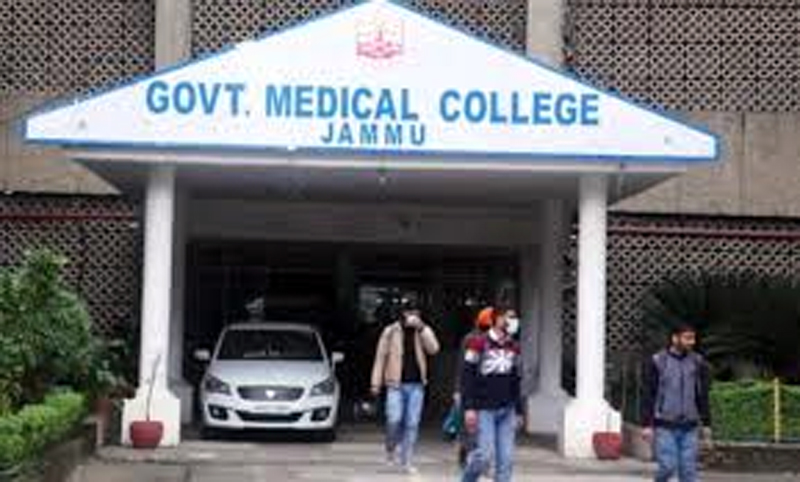
JAMMU, Mar 29: A sharp rise in trauma and critical illness cases is placing an increasing burden on the Emergency and Critical Care wing of Government Medical College Jammu, as reflected in its latest data for December 2025 and January 2026.
The figures point to a healthcare system grappling with high incidences of fall injuries, cardiac emergencies, strokes and respiratory distress, which together form the bulk of cases reported in the Emergency department. These trends are directly contributing to the average daily inflow of nearly 590 patients, with about 160 requiring hospital admission.
Orthopedic trauma has emerged as a major contributor, with the department performing around 60 surgeries daily out of more than 70 emergency procedures, indicating a significant number of accident and injury-related cases.
At the same time, the dominance of referrals to the Medicine department highlights a parallel surge in non-trauma critical conditions such as heart attacks, hypertension, breathing complications and neurological emergencies.
The diagnostic and lab infrastructure is being pushed to its limits, with over 400 radiological tests and more than 6,000 laboratory investigations conducted daily, signaling the complexity and severity of cases reaching the hospital.
What stands out is the consistent inflow of patients across all hours, with equal pressure during morning, afternoon and night shifts, leaving little downtime for emergency services. The patient demographic shows a 60:40 male-to-female ratio, with cases pouring in from across the Jammu region.
The Hospital continues to act as a referral hub, receiving patients from GMCs, district hospitals and peripheral health institutions, largely for advanced and specialized care in fields like cardiology, neurology and surgery.
Notably, this data captures only emergency and critical care services, excluding OPDs and elective procedures-pointing to a much larger overall patient burden and raising concerns about the growing strain on tertiary healthcare infrastructure.
 Follow our WhatsApp channel
