

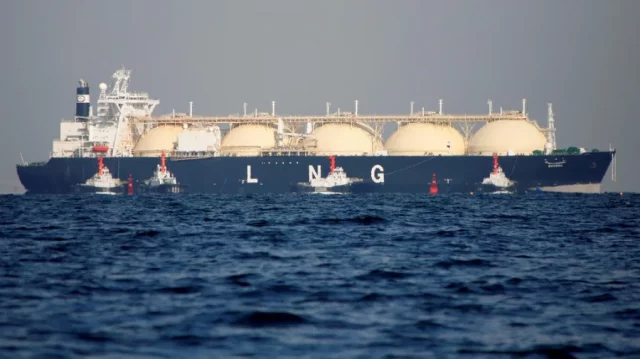
DHAKA, Mar 27: Bangladesh’s energy sector is facing mounting pressure after an Iranian missile strike damaged liquefied natural gas (LNG) infrastructure in Qatar’s Ras Laffan Industrial City, disrupting supplies to the country, media reports said on Friday.
Officials at Petrobangla said at least seven LNG cargoes scheduled for Bangladesh have already been cancelled, forcing the country to turn to higher-priced alternatives in the spot market.
Analysts warn that the shift could significantly increase subsidy burdens and strain electricity generation during peak summer demand, the Dhaka Tribune reported.
According to reports, Bangladesh depends heavily on Qatar for LNG, with 50% to 75% of its imports sourced from the Gulf nation in different years.
Under long-term agreements, Qatar supplies between 3.6 and 4.3 million tons annually out of Bangladesh’s total LNG imports of around 6 million tons.
According to QatarEnergy, the attack damaged two LNG processing trains and a gas-to-liquids facility, forcing a shutdown of operations.
Qatar has indicated that partial supply may resume within two weeks, though full normalization could take up to a month. Industry estimates, however, suggest recovery may take longer.
Global LNG prices have surged amid the conflict. In early March, prices ranged between $15 and $18 per MMBTU. Following the escalation, they rose to $20-$22 and have recently climbed to $30-$35, the report said.
In contrast, LNG imported under long-term contracts from Qatar and Oman costs Bangladesh around $14 per MMBTU.
Officials indicate that procuring LNG from the spot market at high prices may lead to a substantial rise in subsidy demands, especially within the power sector.
The government already allocates around Tk40,000 crore annually in power subsidies, a large portion of which is linked to LNG-based electricity generation, it said.
According to reports, energy experts warn that prolonged disruption could lead to gas shortages, triggering load shedding and disrupting industrial production.
The timing is critical, as demand for gas typically rises during summer due to increased electricity use and irrigation needs. (UNI)
 Follow our WhatsApp channel
