

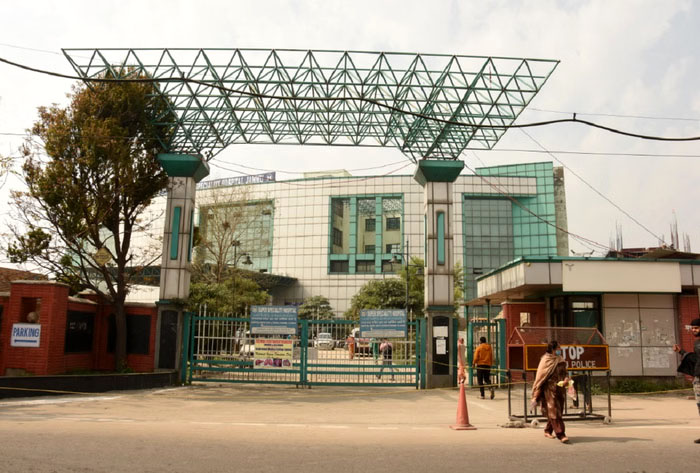
*MRI Machine also non-functional at GMC Jammu
Govind Sharma
JAMMU, Mar 5: Nearly ten months after CT scan services collapsed at three major Government hospitals in Jammu, the crisis remains unresolved, pushing hundreds of patients into financial and medical distress.
The CT scan machines at Super Speciality Hospital (SSH), Shri Maharaja Gulab Singh (SMGS) Hospital and Chest Diseases (CD) Hospital continue to remain non-functional, with no fresh installations made despite repeated assurances from authorities.
Follow the Daily Excelsior channel on WhatsApp
At SSH Jammu, the lone CT scan machine has been defunct since July 26, 2024. Hospital authorities had earlier termed the machine “beyond repair” and assured that a new machine had been ordered through the Jammu and Kashmir Medical Supplies Corporation Limited (JKMSCL). However, as of March 2026, no new machine has been installed.
Click here to watch video
The absence of CT scan services has been affecting patients, many of whom require urgent neurological, cardiac and trauma-related imaging. Patients continue to be referred to Government Medical College and Hospital (GMCH) Jammu and the Bone & Joint Hospital, both already overburdened with diagnostic load.
The situation at CD Hospital is equally grim. Catering primarily to patients with severe respiratory ailments, including chronic lung disorders and post-infection complications, the hospital has been functioning without CT scan services for months.
Doctors say the lack of imaging facilities has severely hampered diagnosis of critical pulmonary conditions. Patients suspected of serious complications are being referred elsewhere, resulting in treatment delays and increased out-of-pocket expenditure.
At SMGS Hospital — the region’s largest mother and child care facility — the CT scan machine has remained non-functional for months after repeated temporary repairs failed. The warranty period had expired long ago, and despite requests for urgent replacement, no procurement has materialized so far.
With a daily diagnostic load of 20 to 30 patients, including children and pregnant women requiring emergency scans, the breakdown has severely disrupted services. Referrals to other hospitals have become routine, adding to patient inconvenience and medical risk.
The prolonged equipment failure has created a ripple effect across Jammu’s healthcare system. With Government facilities unable to provide CT scan services, patients — especially from economically weaker sections — are being forced to approach private diagnostic centres where scan charges are significantly higher.
Families report spending thousands of rupees on investigations that would otherwise be available at minimal cost in public hospitals. For many, delays in diagnosis have also meant postponed surgeries and prolonged suffering.
Earlier, officials had cited fund constraints as the primary reason for delays. Although partial funds were reportedly released in March 2025 and an order for at least one machine was claimed to have been placed, no installation has taken place so far.
Repeated attempts to expedite procurement through JKMSCL have not yielded visible results, raising concerns about systemic bottlenecks in healthcare infrastructure management.
As the crisis enters its second year, healthcare professionals warn that the continued absence of CT scan facilities in three key Government hospitals is compromising patient care standards in the region.
Managing Director, JKMSCL, Tariq Hussain Ganai said that Letters of Credit for CT scan machines to be installed at SMGS Hospital, CD Hospital and SSH have already been opened. He added that the machines will be imported and are expected to reach the hospitals within the next two to three months.
Meanwhile, on the non-operational MRI machine at GMC Jammu, Principal and Dean Dr Ashutosh Gupta said the machine had gone out of order on January 10 after developing a major technical snag. He said the machine has been repaired by company engineers, but around 45 days were lost due to the import of Helium gas required for refilling.
Dr Gupta said the Helium gas has now been filled and company engineers will conduct final trials of the machine tomorrow. He expressed hope that the MRI machine will be operationalized by the day after tomorrow.
 Follow our WhatsApp channel
