

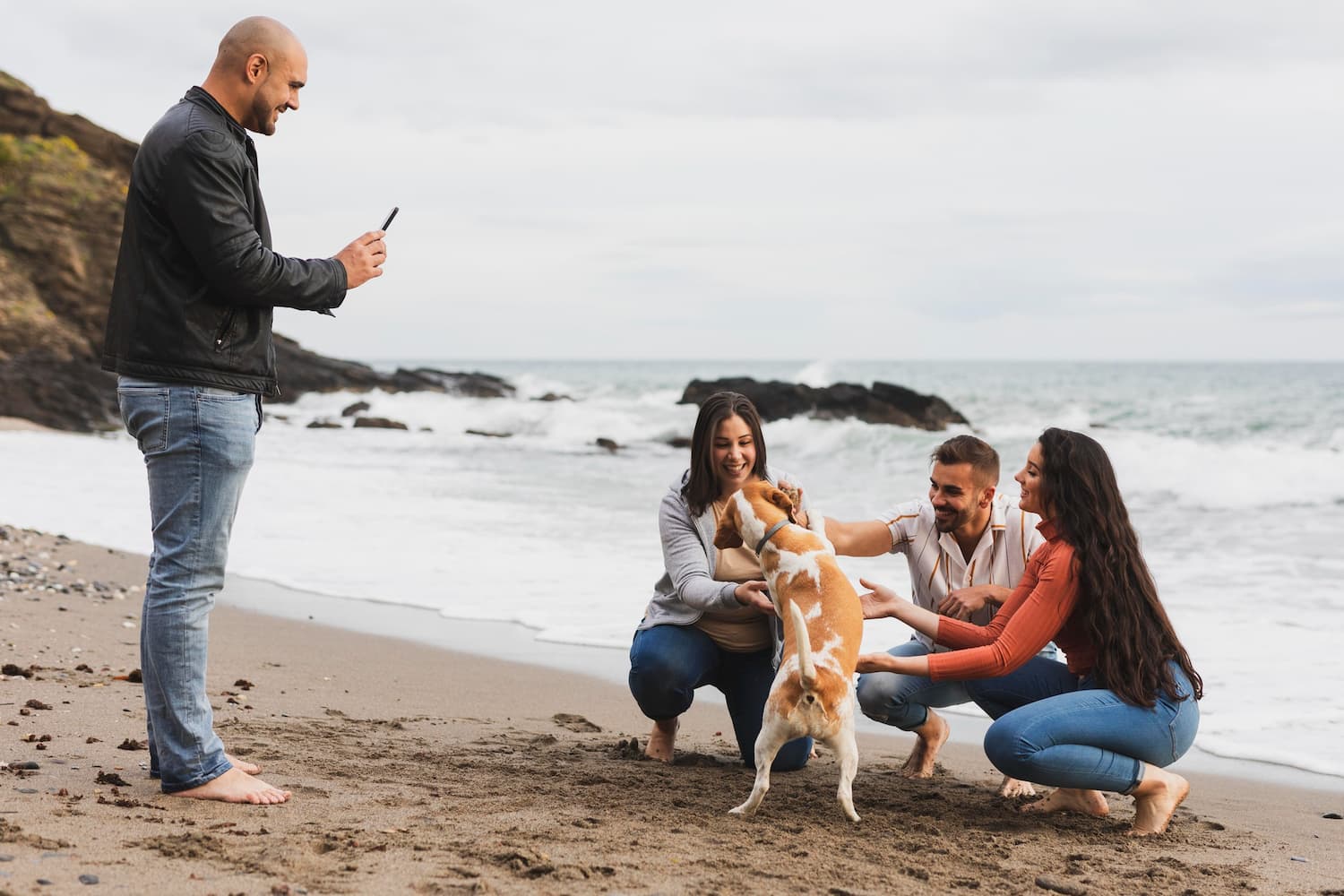
Planning a vacation with your pet can be one of the most rewarding experiences you’ll ever have. There’s something truly special about exploring new places with your furry companion by your side, creating memories that last a lifetime.
However, traveling with a pet is not the same as traveling solo or even with other adults. It requires an extra layer of planning, patience, and preparation to ensure that both you and your pet have a safe, comfortable, and enjoyable trip from start to finish.
Before you pack your bags and hit the road, there are some important questions you need to ask yourself. These questions will help you think through every detail so that nothing catches you off guard when you’re far from home with your beloved companion.
1. Is My Pet Fit to Travel?
Before anything else, you need to honestly assess your pet’s health and temperament. Not every pet is suited for travel, and pushing an anxious or medically fragile animal into a new environment can cause more harm than good.
Schedule a visit with your veterinarian well before your travel date. Your vet can assess whether your pet is healthy enough for the journey, update any necessary vaccinations, and provide documentation you may need at your destination or border crossing.
Some pets suffer from severe travel anxiety or motion sickness. Your vet may recommend calming aids, medications, or behavioral strategies to help your pet cope with the stress of being in an unfamiliar environment for an extended period.
2. What Are the Pet Policies at My Destination?
Not all hotels, vacation rentals, or resorts welcome pets with open arms. Some have strict breed or size restrictions, weight limits, or additional fees that can catch you off guard if you haven’t done your research ahead of time.
Always call ahead or verify pet policies directly with your accommodation provider before making a booking. Reading online reviews from other pet owners who have stayed at the same property can also give you a realistic picture of what to expect.
Beyond your accommodation, check the pet policies of attractions, restaurants, and outdoor spaces you plan to visit. Some national parks, beaches, and hiking trails have specific rules about pets that you’ll want to know in advance.
3. Do I Have All the Necessary Travel Documents?
Depending on where you’re traveling, you may need a variety of documents for your pet. These can include health certificates, vaccination records, microchip documentation, and even import permits for international travel.
Many countries and states have strict requirements about what animals can enter and under what conditions. Failing to have the right paperwork can result in your pet being quarantined or even turned away at the border, ruining your entire trip.
Start gathering your documents at least a month before your departure date. Work closely with your veterinarian to ensure everything is in order and that all paperwork meets the specific requirements of your destination.
4. Is My Pet Properly Identified?
Getting separated from your pet in an unfamiliar place is a frightening thought, but it happens more often than most pet owners expect. New environments, strange sounds, and open spaces can cause even the calmest pets to bolt unexpectedly.
Make sure your pet is microchipped and that the chip is registered with your current contact information. A collar with an updated ID tag is equally important, as it provides immediate identification should someone find your pet before you do.
Consider investing in a GPS pet tracker for the duration of your trip. These devices allow you to monitor your pet’s location in real time, giving you an extra layer of security and peace of mind while you’re exploring unfamiliar territory together.
5. What Do I Need to Pack for My Pet?
Just as you create a packing list for yourself, your pet needs one too. Forgetting essential items can lead to unnecessary stress, expense, and discomfort for your animal while you’re away from home.
Pack enough of your pet’s regular food for the entire trip, plus a little extra in case of delays. Sudden changes in diet can upset your pet’s stomach, so this is not the time to experiment with new brands or flavors, especially in an unfamiliar environment.
Don’t forget comfort items like your pet’s favorite blanket, toy, or bedding. Familiar scents can go a long way in helping your pet feel calm and secure in a new environment, reducing anxiety and helping them settle in more quickly.
6. What Do I Do If There’s an Emergency or Injury?
“Injuries and emergencies are far more common during vacations than most travelers anticipate. Hotels can pose hidden dangers like exposed wiring, faulty electrical outlets, or malfunctioning appliances that can cause shocks, burns, or electrocution to you or your pet,” says Morris Injury Law, a Las Vegas electrocution injury lawyer.
Swimming pools and hot tubs at resorts, if not properly maintained or supervised, can present serious drowning risks for pets, particularly smaller dogs or cats that may wander near the edge unsupervised. Even a short outdoor tour can expose your pet to unexpected hazards like rough terrain, toxic plants, or encounters with unfamiliar animals.
This is why knowing what to do before an emergency happens is so critically important. Research emergency veterinary clinics near your destination before you even leave home. Save their addresses and phone numbers in your phone so you’re not scrambling to search in the middle of a crisis when every second counts.
7. How Will I Keep My Pet Comfortable Throughout the Trip?
Comfort is not a luxury when traveling with a pet; it is a necessity. An uncomfortable or overstimulated pet can become anxious, aggressive, or disruptive, making the trip stressful for everyone involved, including fellow travelers and other guests.
Plan for regular rest stops if you’re driving, giving your pet a chance to stretch, relieve themselves, and drink water. Pets, especially dogs, need more frequent breaks than most owners remember to plan for on a long road trip.
Pay attention to your pet’s body language throughout the journey. Signs of stress, overheating, or discomfort should never be ignored. Adjusting your plans to accommodate your pet’s needs is always the right call, no matter how inconvenient it may feel in the moment.
Conclusion
Traveling with your pet takes more effort than traveling alone, but the joy and companionship your furry friend brings to every adventure make it entirely worth it.
Ask yourself these seven questions before every trip, and you’ll be well on your way to a vacation that both you and your pet will cherish forever.
 Follow our WhatsApp channel
