

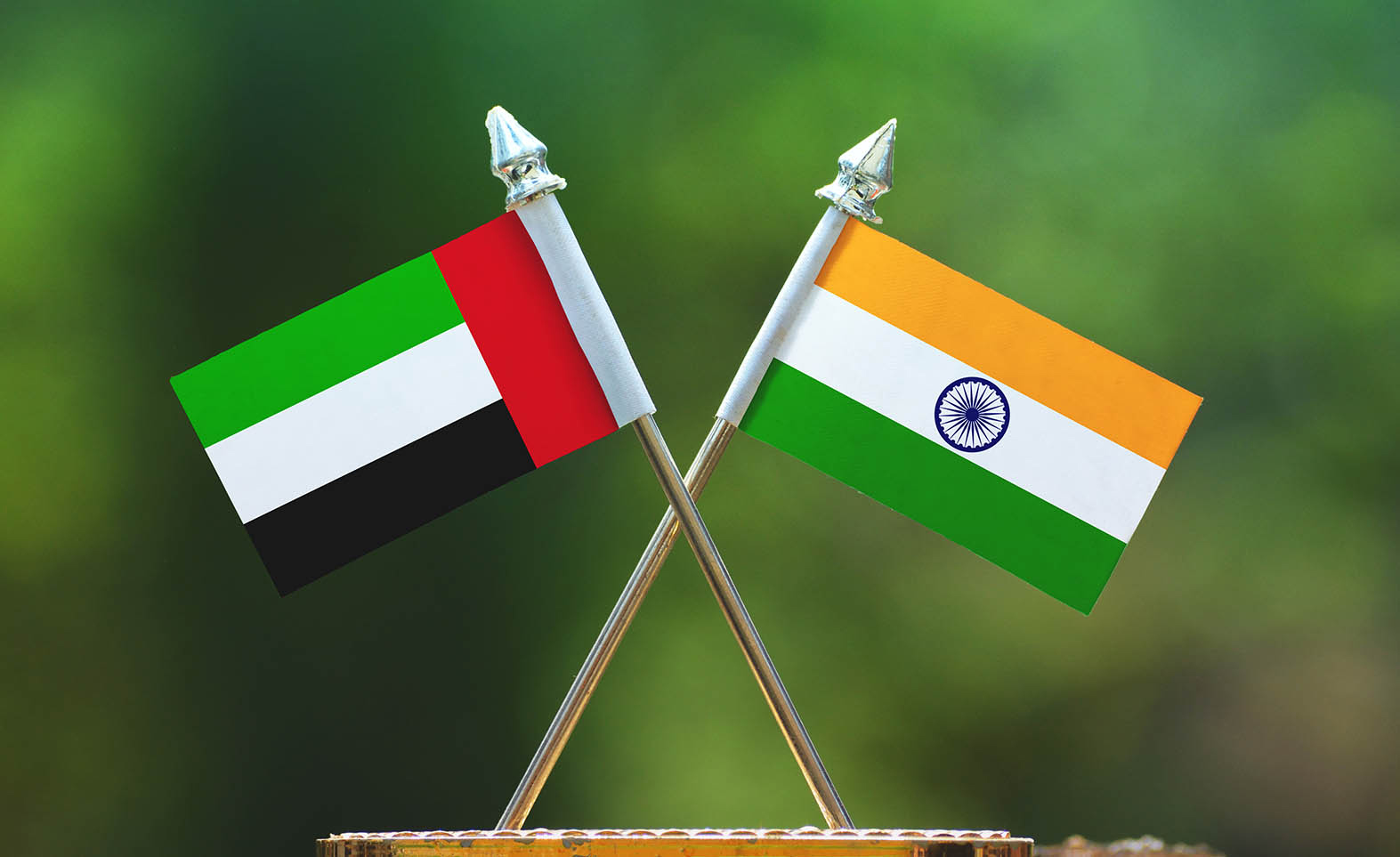
In a world marked by rapid geopolitical churn, trade disruptions and intensifying strategic competition, nations are recalibrating alliances to safeguard their economic and security interests. The India-UAE partnership, reaffirmed and expanded during the recent visit of President Sheikh Mohamed bin Zayed Al Nahyan, stands out as one such forward-looking strategic alliance-pragmatic, multidimensional and rooted in long-term mutual benefit. Setting an ambitious target of USD 200 billion in annual bilateral trade by 2032 is more than a numerical milestone. It reflects confidence in the resilience and trajectory of the relationship, which has grown steadily since the CEPA in 2022. Doubling trade in a volatile global environment-characterised by tariff wars, supply-chain realignments and slowing growth in parts of the West-is a progressive expectation and a clear signal of strategic intent.
The depth of cooperation underscores why this partnership matters. The UAE is India’s second-largest LNG supplier, and the long-term LNG agreement enhances India’s energy security at a time of global uncertainty. The decision to collaborate on advanced nuclear technologies, including small modular reactors, places the relationship firmly in the future-oriented domain of clean and reliable energy. Equally significant is the proposed partnership in artificial intelligence and supercomputing infrastructure-areas that will define economic and technological power in the decades ahead. Infrastructure cooperation forms another strong pillar. The UAE’s globally recognised expertise in mega infrastructure projects-ports, airports, smart cities and logistics hubs-aligns seamlessly with India’s development ambitions. The proposed special investment region in Dholera, encompassing ports, aviation infrastructure, smart urban townships and energy projects, illustrates how capital, expertise and scale can converge for shared gains. The list of collaborative avenues-from space infrastructure to data centres-appears virtually endless.
Strategically, there is much to read between the lines. In an era where defence partnerships in the region-particularly involving Pakistan and Saudi Arabia-carry implications for India, the move towards a formal India-UAE strategic defence framework subtly but effectively reshapes regional equations. The unequivocal condemnation of terrorism and the resolve to act against its financiers add further weight to this alignment. The strong bond Prime Minister Modi has cultivated with the UAE leadership has translated goodwill into tangible outcomes. Viewed alongside recent high-level engagements-the German Chancellor’s visit, the UAE leadership’s outreach and upcoming EU delegations-the message is clear: India occupies a pivotal space in today’s tariff- and alliance-driven geopolitics.
 Follow our WhatsApp channel
