

New Delhi, Dec 27: Heatwaves, wildfires, droughts, and storms cost the world more than USD 120 billion in 2025, according to a new report analysing the escalating cost of climate change.
The report by UK-based NGO Christian Aid underscores the cost with fossil fuel companies playing a central role in driving the crisis. The report noted that cost of climate inaction is equally clear, as communities continue to bear the brunt of a crisis that could have been averted with urgent action to reduce greenhouse gas emissions.
“These disasters are not natural — they are the predictable result of continued fossil fuel expansion and political delay,” said Emeritus Professor Joanna Haigh, at Imperial College London.
The ten most financially costly events all had an impact of more than USD billion with the combined total topping more than USD 122 billion in damage. Most of these estimates are based only on insured losses, meaning the true financial costs are likely to be even higher, while the human costs are often uncounted.
The report also highlighted ten extreme weather events that didn’t rack up big enough insured losses to make the top ten but were just as devastating and often affected millions.
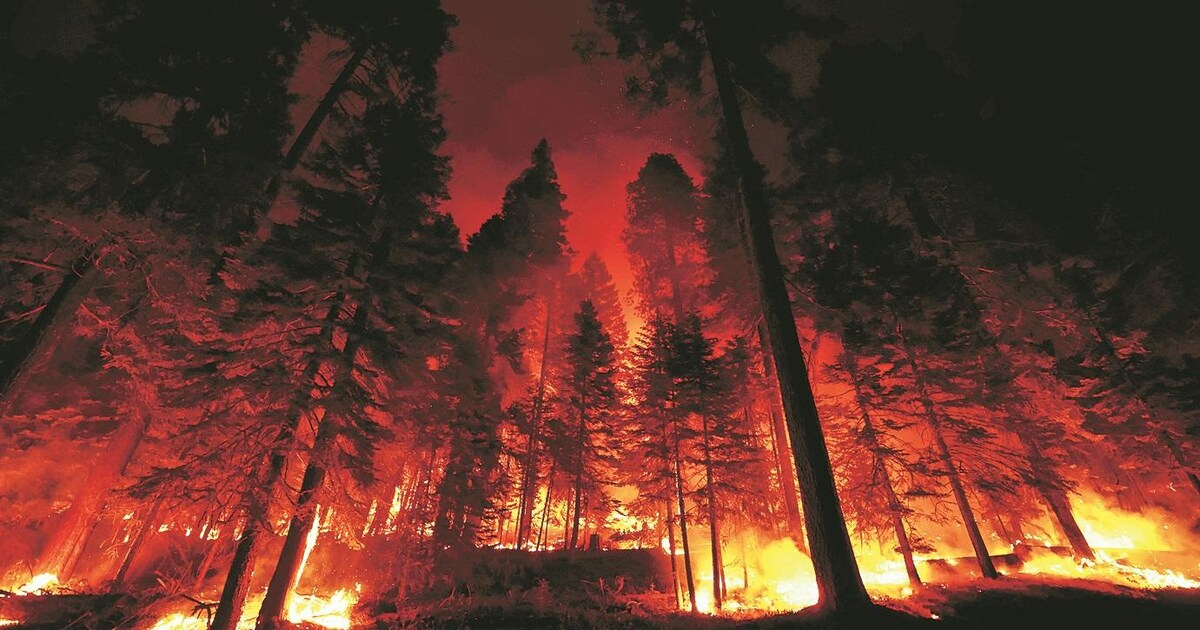
“These included several events in poorer countries where many people don’t have insurance and where data is less available. In terms of events which caused the biggest financial cost in 2025, the US bore the brunt, with the fires in California topping the list as the single biggest one-off event at USD 60 billion in damage and leading to the deaths of more than 400 people,” the report said.
Second on the list was the cyclones and floods that struck Southeast Asia in November causing USD 25 billion in damage and killing more than 1,750 people across Thailand, Indonesia, Sri Lanka, Vietnam and Malaysia.
“Third were the devastating floods in China which displaced thousands, caused USD 11.7 billion in damage and killed at least 30. No continent was spared from crippling climate disasters in 2025, with at least one disaster in each of the six populated regions of the world making the report.
“Drought in Brazil, summer wildfires in Spain and Portugal and February cyclones in Australia and Réunion island off the coast of Africa meant no corner of the world was spared,” it said.
Asia accounted for four of the top six costliest disasters with flooding in India and Pakistan killing more than 1,860 people, costing up to $6 billion and affecting more than 7 million people in Pakistan alone.
More than USD 5billion in damage was caused by typhoons in the Philippines with more than 1.4 million people displaced.
While the top ten focuses on financial costs, which are usually higher in richer countries because they have higher property values and can afford insurance, some of the most devastating extreme weather events in 2025 hit poorer nations, which have contributed little to causing the climate crisis and have the least resources to respond.
“These included flooding in Nigeria in May and the Democratic Republic of Congo in April, which affected thousands with potentially up to 700 deaths in Nigeria alone. The ongoing drought in Iran and West Asia threatened the 10 million people in Tehran with possible evacuation due to a water crisis.
“Making the second list of 10 was also some events that stood out for being particularly unusual such as the record breaking heat that led to wildfires in the highlands of Scotland, with 47,000 hectares burned. Japan faced an extreme year of both heavy snowstorms and record breaking heatwaves,” it said.
Worrying climate related extremes were also recorded in Antarctica and the world’s oceans which recorded record breaking sea temperatures and coral bleaching in West Australia which pose major threats to biodiversity.
The report said these extreme events highlight the need for more urgent action to reduce carbon emissions and accelerate the transition to renewable energy and underlines the importance of providing funding for vulnerable people.
“This year has once again shown the stark reality of climate breakdown. Violent storms, devastating floods and prolonged droughts are turning lives and livelihoods upside down. The poorest communities are first and worst affected.
“These climate disasters are a warning of what lies ahead if we do not accelerate the transition away from fossil fuels. They also underline the urgent need for adaptation, particularly in the global South, where resources are stretched and people are especially vulnerable to climate shocks,” said Patrick Watt, Christian Aid CEO. (PTI)
 Follow our WhatsApp channel
