

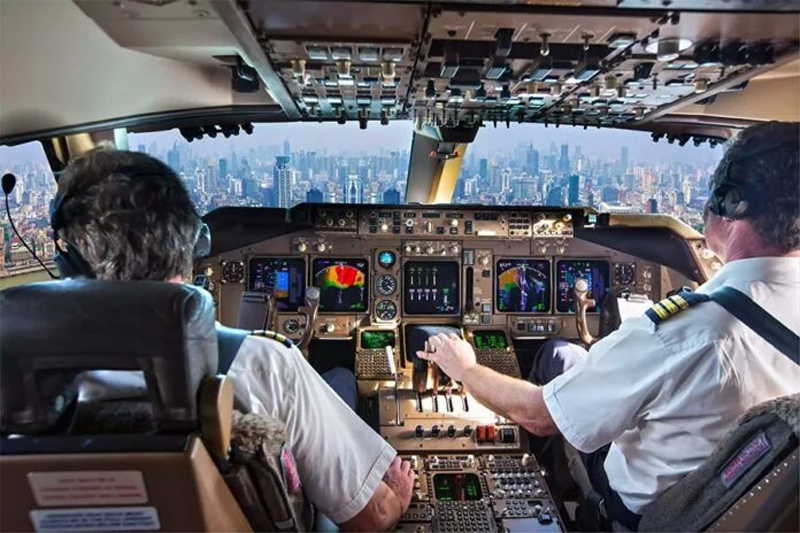
India’s civil aviation sector today stands at a striking contradiction. On one hand, it is celebrated as one of the fastest-growing aviation markets in the world, marked by record aircraft orders, ambitious expansion plans, and rising passenger demand. On the other hand, behind this glossy narrative lies a deepening structural crisis: a visible and worsening shortage of trained pilots. Unless addressed urgently, this imbalance between fleet growth and human resources threatens to derail the very boom it is meant to power. The scale of the challenge is stark. Currently, India has approximately 8,000 pilots operating a fleet of 834 aircraft. Yet domestic airlines are awaiting delivery of nearly 1,700 additional aircraft from Boeing and Airbus over the coming years. The country will require about 30,000 more pilots to meet this expansion. India needs to multiply its current pilot strength several times within a relatively short timeframe. With the existing training infrastructure, this goal borders on the impossible.
Aircraft, unlike pilots, can be deployed almost around the clock. Pilots, by contrast, are bound by strict duty-time limitations and mandatory rest periods for safety reasons. Each aircraft, therefore, requires multiple crews to operate reliably. When pilot numbers fall short, airlines are forced to overstretch existing staff, leading to fatigue, stress, and operational fragility. This reality came sharply into focus in November, when a DGCA order enforcing mandatory pilot rest periods triggered widespread flight disruptions and chaos. The episode exposed how thin the margin already is-and how dependent airlines have become on pushing pilots to their limits. That the regulator later withdrew or diluted the order only deepened concerns, as passenger safety risks were effectively papered over to keep schedules running.
The roots of the crisis lie partly in the COVID-19 period. When aviation came to a standstill globally, fleets were grounded for months, and pilots were laid off in large numbers. At that time, the market briefly appeared oversupplied with pilots, weakening their bargaining power over salaries and working conditions. This had a cascading effect: pilot pay stagnated, workloads increased, and the profession lost some of its appeal among young aspirants. Given that commercial pilot training is prohibitively expensive-often costing several tens of lakhs of rupees-it is hardly surprising that fewer young people choose this career path. What looked like a short-term correction has now turned into a long-term shortage.
Official disclosures in Parliament further underline the lack of preparedness. India currently has just 40 DGCA-approved flying training organisations operating across 62 flying bases. This modest network is expected to supply pilots for one of the world’s largest fleet expansions. The picture is no better for other critical aviation roles, from aircraft maintenance engineers to air traffic controllers, where training capacity remains limited. Most tellingly, the Government has admitted that it has not assessed existing training capacity against projected demand for the next 10 years, nor does it have any proposal to establish new training institutes or expand existing ones through public-private partnerships or with state support. This absence of planning is alarming. Without deliberate policy intervention, the gap between aircraft deliveries and available crews will only widen. Airlines may respond by further stretching pilots, importing ad hoc solutions, or scaling back growth plans-all of which carry economic and safety costs.
The solutions, while challenging, are clear. Pilot training capacity must be expanded rapidly, either by establishing new flying training institutes or by significantly increasing intake and infrastructure at existing ones. Public-private partnerships and state Government participation can play a vital role in spreading costs and accelerating timelines. In the short to medium term, India should seriously consider hiring foreign pilots, especially for international operations, if regulations permit. Many aviation markets have relied on such stopgap measures during rapid growth phases. Above all, the government must acknowledge that aviation safety and sustainable expansion are public responsibilities, not merely commercial concerns. The pilot crisis did not emerge overnight; it has been building for years through neglect and short-term thinking. If corrective action is delayed further, India risks grounding its aviation ambitions not for lack of aircraft, but for lack of people to fly them.
 Follow our WhatsApp channel
