

NEW DELHI, Dec 20: India’s pharmaceutical and healthcare sectors emerged as the central pillars of India-Afghanistan business cooperation during an interaction hosted by the PHD Chamber of Commerce and Industry (PHDCCI) here.
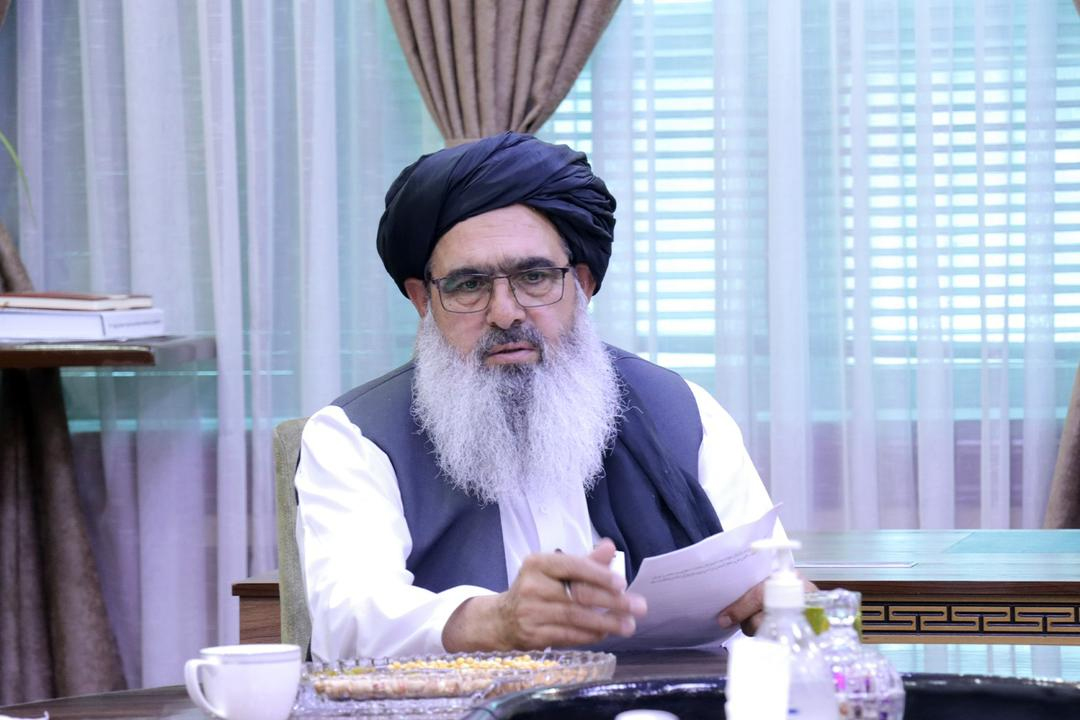
A high-level Afghan delegation led by Mawlawi Noor Jalal Jalali, Minister of Public Health, Afghanistan, held discussions with Indian pharma manufacturers, hospital groups, and healthcare service providers.
The session underlined the growing business opportunity for Indian pharmaceutical companies in Afghanistan, a market that continues to rely heavily on imports to meet its healthcare needs.
Addressing industry stakeholders, minister Jalali described India as a “second home” for Afghans and stressed the long-standing trust Afghan consumers place in Indian products, particularly medicines.
He noted that Afghanistan’s pharma supply chain is currently dependent on imports from India, Bangladesh, and Central Asia, presenting a strong case for expanding structured, quality-led trade with Indian manufacturers.
A key business concern highlighted during the interaction was the inflow of counterfeit and substandard pharmaceutical products into the Afghan market. The Afghan Health Minister called for stricter quality controls and urged Indian pharma companies to play a leadership role in supplying affordable, high-quality medicines.
He emphasised that suppliers dealing in fake or low-grade products should be barred, asserting that quality assurance and regulatory compliance are critical for sustainable pharmaceutical trade and long-term market credibility.
Industry participants viewed the discussion as a signal of Afghanistan’s intent to formalise and upgrade its pharmaceutical imports, opening doors for compliant Indian drug manufacturers, exporters, and distributors.
With India globally recognised as a hub for generic medicines and affordable formulations, stakeholders noted that enhanced bilateral frameworks could help Indian firms increase market share while supporting Afghanistan’s public health goals.
The business scope extended beyond drug supply to medical services and healthcare infrastructure. Dr. Manish Chauhan, Group Head, International Patient Services, Metro Cancer Institute, highlighted India’s advanced oncology capabilities and expressed readiness to partner with Afghan institutions for patient referrals, specialised treatment, and capacity building-an area with strong commercial and service-export potential.
From a policy and trade facilitation perspective, Mr. Karan Yadav, Charg? d’Affaires, Embassy of India, Afghanistan, stressed the importance of affordability, supply chain reliability, and trust in scaling pharma trade.
He noted that the deep goodwill enjoyed by Indian businesses in Afghanistan provides a competitive advantage that should be leveraged to create transparent, resilient healthcare supply networks.
The interaction reinforced the view that as Afghanistan seeks to strengthen its healthcare system, Indian pharmaceutical companies and healthcare providers are well-positioned to emerge as long-term strategic partners, combining business growth with public health impact.
(UNI)
 Follow our WhatsApp channel
