


In today’s digital-first world, everyone is a content creator in one way or another. But this raises a crucial question: how do creators use copyrighted material without crossing legal lines? This is where the concept of Fair Use becomes not only useful but essential.
Stream TV, a fast-growing YouTube channel focused on Hollywood entertainment, offers a real-world example of how creators can respect the law while still pushing creative boundaries.
Fair Use in the Digital Age
The ongoing conversation about Fair Use in the digital age has never been more relevant. With content creation at an all-time high, YouTube channels, independent filmmakers, and digital storytellers are redefining the boundaries of what’s possible and legal when it comes to repurposing copyrighted material. Among these creators, Stream TV stands out as a prime example of how Fair Use can fuel both creativity and growth.
From YouTube video essays to TikTok explainers, the demand for insightful content has skyrocketed. Yet, this growth also brings an undeniable tension: how can creators entertain and inform audiences while respecting copyright law?
What Fair Use Really Means
At its core, Fair Use is a legal doctrine that allows creators to use portions of copyrighted works without permission, provided the use is “transformative.” Transformative doesn’t just mean cropping a clip or adding a filter; it means adding new meaning, commentary, or educational value.
This principle has been a lifeline for channels like Stream TV, which specialize in Hollywood-focused infotainment, offering in-depth reviews, analysis, and behind-the-scenes insights. Rather than simply reposting film clips, Stream TV contextualizes them, weaving original narratives and commentary that give audiences something entirely new.
When Stream TV breaks down a blockbuster trailer or analyzes a director’s storytelling style, it isn’t just recycling media-it’s reframing it. That transformation is exactly what sets them apart and keeps them safely under the umbrella of Fair Use.
The Creative Advantage of Fair Use
The importance of this approach can’t be overstated. In an environment where copyright strikes can derail entire channels overnight, understanding and applying Fair Use is both a creative strategy and a survival skill. Stream TV’s method of mixing curated footage with research-driven commentary exemplifies the balance that creators must strike to thrive under YouTube’s evolving copyright rules.
This ability to educate while entertaining is what keeps audiences loyal and algorithms rewarding. More importantly, it builds authority, signaling to both viewers and the industry that Stream TV isn’t just a reaction channel-it’s a thought leader in film commentary.
Why Fair Use Benefits Original Creators Too
While it may seem like Fair Use only benefits YouTubers and digital creators, it also brings advantages to the original filmmakers and studios. When Stream TV analyzes a blockbuster or discusses a director’s unique style, they are essentially providing free publicity and extending the conversation around that film. Audiences who watch Stream TV may feel inspired to go and watch the original movie, which drives interest and revenue for the studio. In this way, Fair Use creates a win-win dynamic where both independent creators and established production houses benefit from the renewed attention to the work.
Challenges in the Fair Use Landscape
Of course, the conversation isn’t without its challenges. Legal definitions of “transformative” can be subjective, a clip used for satire may be flagged as infringement, while another channel may slip by unnoticed.
For creators, this means walking a fine line. A single copyright strike can mean loss of monetization, restricted reach, or even channel termination. That’s why channels like Stream TV put editorial intent at the center of their work. They don’t just ask, “Can I use this clip?” They ask, “What am I adding to it?”
The Role of Education and Audience Trust
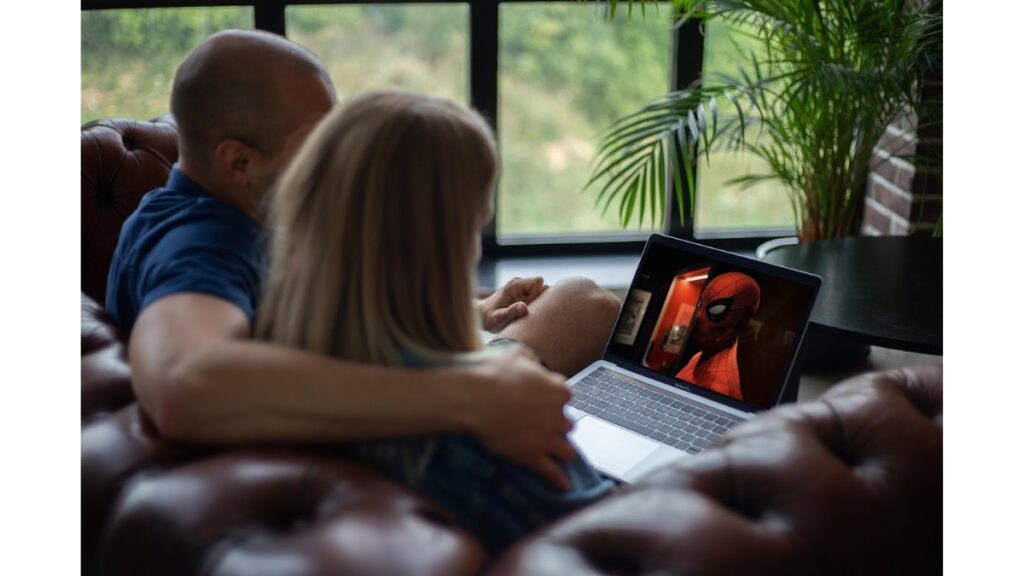
One overlooked element in the Fair Use debate is audience perception. Viewers today are savvy-they can tell when a creator is merely repackaging content versus when they’re providing genuine value. Stream TV has cultivated trust by making their purpose clear: to analyze, educate, and entertain, not to exploit.
By blending pop culture commentary with film history, production insights, and critical analysis, Stream TV ensures that its audience feels engaged in a larger conversation. This transparency not only strengthens their credibility but also helps demonstrate that their use of copyrighted material truly falls under Fair Use.
Shaping the Next Era of Digital Creativity
Fair Use challenges creators to think beyond simple reuse, to transform source material into something that informs, entertains, and inspires. More and more YouTube creators are embodying this spirit, proving that when creativity meets respect for the law, the results can be both compelling and sustainable.
As the Fair Use conversation grows louder, the channels that master this balance won’t just survive-they’ll define the future of content creation. Platforms will continue refining their policies, but the underlying truth will remain: audiences crave fresh perspectives, not recycled footage.
The Challenge of Al and Fair Use for Movie-Based Channels

Artificial intelligence is creating new hurdles for Fair Use creators, especially those like Stream TV whose content relies on movie clips and analysis. As studios adopt Al-powered copyright detection, the risk of false strikes rises because these systems often miss the context of commentary or critique. What should be protected under Fair Use can be flagged as infringement, threatening a channel’s stability. At the same time, Al-generated reviews and summaries are flooding the internet, competing with authentic, human-driven insights. For Stream TV, the challenge is clear; continue proving the value of thoughtful, transformative analysis that no algorithm can replace.
Final Thoughts
The digital age has made creativity more democratic than ever. Anyone with a camera and an idea can share their vision with the world. But true longevity comes from mastering the rules of the game. Stream TV’s success highlights an important lesson: Fair Use is not a loophole, it’s an opportunity. By treating Fair Use as both an art and a responsibility, creators can build content that not only captivates audiences but also respects the creators who came before them.
 Follow our WhatsApp channel
