

Nawshaba Iqbal
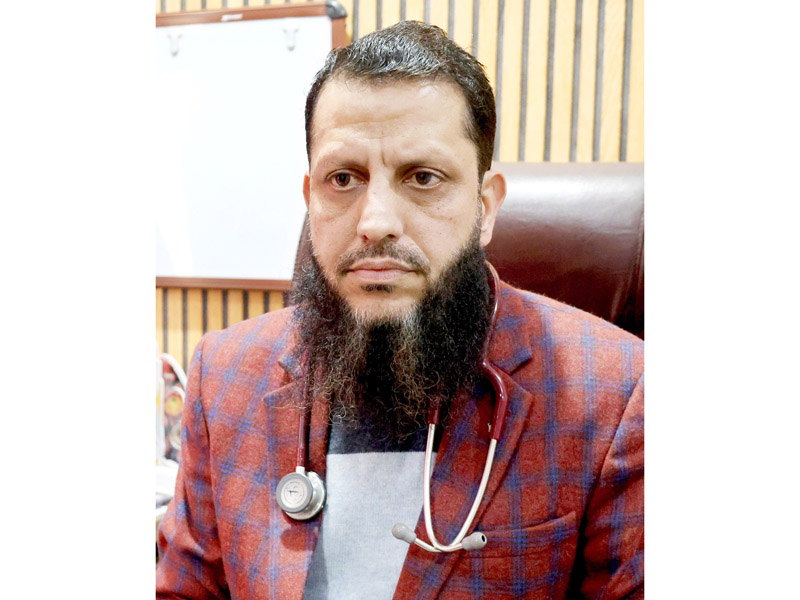
Srinagar, Dec 16: Renowned Pulmonologist Dr Mir Faisal today said that air quality levels in Kashmir remain poor during morning and evening hours in winter, leading to a rise in respiratory ailments.
Speaking to Excelsior, Dr Faisal said the winter season, traditionally associated with cold-related illnesses, is now witnessing additional pressure from deteriorating air quality, contributing to higher patient footfall in hospitals.
He noted that the increase is particularly evident among children, elderly people and those with pre-existing chest conditions.
“The AQI remains poor, especially during early mornings and evenings. Combined with winter conditions, it is significantly affecting respiratory health,” he said, stressing the need for necessary precautions.
Dr Faisal said reduced ventilation, prolonged indoor stay and continuous use of heating devices are also worsening indoor air quality.
“During winter, people stay indoors for longer hours. Ventilation reduces, heating devices are used continuously and power shortages force the use of bukharis and gas heaters, all of which adversely impact indoor air quality,” he said.
He said patients suffering from asthma, chronic obstructive pulmonary disease (COPD) and other chronic respiratory illnesses are facing increased difficulties during this period, adding that smoking further aggravates the situation.
“Kashmir has a large number of smokers, which adds to the burden of respiratory illness, especially in winter,” he said.
Dr Faisal also pointed out that cold weather and frequent temperature fluctuations are leading to a rise in viral infections, resulting in higher cases of cough, cold and flu.
He cautioned against ignoring symptoms such as persistent cough, chest tightness, breathlessness and excessive mucus.
“Early medical evaluation is crucial, as delayed treatment can lead to complications like bronchitis or pneumonia, particularly among children, elderly people and immunocompromised patients,” he said.
 Follow our WhatsApp channel
