

Mohammad Hanief
m.hanief@gmail.com
Tobacco has woven itself quietly yet powerfully into daily life in Jammu and Kashmir, leaving behind a trail of health complications, financial burdens, and social distress. At a time when the Union Territory is striving for healthier communities, stronger institutions, and a more aware population, tobacco stands out as a stubborn obstacle. With over one-fifth of adults actively consuming tobacco, the threat is not merely personal—it extends deeply into families, workplaces, and public spaces. The urgency to address this crisis has never been greater.
The danger begins the instant a cigarette burns. As tobacco ignites, thousands of toxic chemicals burst into the air. Before the first puff even reaches the lungs, the heat releases tar and nicotine, both of which cling to the body in ways that quickly become visible. Tar stains the fingers, settles on the lips, and discolours the nails. The rising smoke dries out the skin and accelerates premature wrinkling. What many view as a momentary escape comes at the expense of long-term physical harm that is both silent and relentless.
When the smoke enters the nose and mouth, the body absorbs the consequences even faster. Nerve endings responsible for the sense of smell begin to deteriorate, gradually numbing the ability to detect scents. Inside the mouth, the tar coats teeth and gums, weakening enamel, creating persistent stains, and increasing the risk of gum disease. Taste buds lose their sharpness, making food less enjoyable. Even these visible changes are only the beginning of the body’s internal struggle.
Once nicotine reaches the bloodstream, it takes hold with alarming speed. The liver processes it quickly, and within hours, the body begins to crave more. This craving brings irritability, anxiety, restlessness, and difficulty sleeping. Over time, the body becomes dependent on increasingly higher amounts of nicotine, making it harder to break free. What started as a habit transforms into a deeply rooted dependency that affects behaviour, mood, and overall well-being.
In Jammu and Kashmir, the scale of the problem is deeply concerning. With 20.8 percent of adults identified as tobacco users, the region ranks among the highest in India. More than a third of adult men smoke, placing them at elevated risk for illness and premature death. While smokeless tobacco consumption remains comparatively low at 4.3 percent, smoking—especially cigarette and bidi use—dominates. Urban areas see higher cigarette use, driven by availability and lifestyle patterns, while rural areas show continued dependence on bidis and other smoking products.
Some districts reflect an even more troubling reality. In several pockets of north and south Kashmir, tobacco usage is believed to approach nearly half of the adult population. Even more worrying is the growing number of adolescents and young adults who experiment with smoking well before adulthood. The influence of peer pressure, stress, and easy access to loose cigarettes fuels this trend. Many young people encounter tobacco smoke in public spaces, markets, recreational areas, and even within homes—making passive exposure a deeply embedded part of everyday life.
Authorities have responded with stricter regulation and increased enforcement. Over the past few years, more than twenty thousand challans have been issued across the Kashmir division for violations related to smoking in public places. Fines collected have served as both a deterrent and a catalyst, pushing many violators to rethink their dependence and seek help. Tourist destinations like Gulmarg and Tangmarg, along with educational institutions across the UT, have been designated as tobacco-free zones—an important step toward creating healthier environments.
The ban on loose cigarettes, loose bidis, and loose tobacco aims to reduce impulse purchasing and restrict young people from accessing tobacco products easily. While the policy marks a strong step forward, its effectiveness requires constant monitoring, coordinated enforcement, and greater public cooperation. Shopkeepers must comply, parents must stay vigilant, and communities must collectively reinforce the message that tobacco has no place in spaces meant for growth and learning.
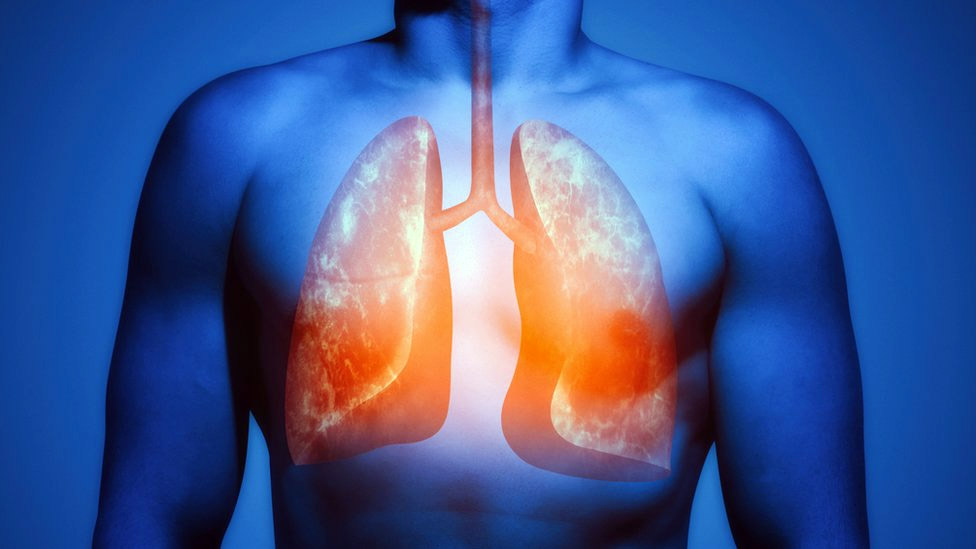
Despite these efforts, the health consequences continue to rise. Tobacco remains one of the leading causes of preventable deaths worldwide, killing over a million people every year in India alone. The connection between tobacco use and lung cancer, heart disease, stroke, and chronic respiratory illness is undeniable. In Jammu and Kashmir, lung cancer has become one of the most frequently diagnosed cancers among men, and hospital records across the valley show a strong link between long-term smoking and the increasing incidence of the disease.
Smokers are also more than twice as likely to develop tuberculosis—a disease that remains a challenge in the region. Tobacco weakens lung capacity, reduces immunity, and makes treatment outcomes less effective. The cost of tobacco, therefore, extends beyond personal health and places a heavy burden on families, healthcare systems, and the broader economy.
Yet amid these challenges, a shift is slowly taking root. Many smokers believe they can quit, and a notable share have attempted to stop at least once in the past year. Public awareness campaigns, community-led initiatives, and counselling programmes are helping individuals understand the profound impact tobacco has on their lives and the lives of those around them. However, the rising trend among youth signals the need for more targeted interventions—classroom awareness, parental engagement, peer mentorship, and stricter control of access points.
Quitting smoking is not easy. It demands courage, consistency, and patience. But it is achievable, and its benefits are immediate and life-changing. The body begins to recover within hours. Breathing becomes easier, blood pressure stabilizes, and oxygen levels improve. Over time, energy levels rise, immunity strengthens, and the risks of heart disease, stroke, and cancer begin to fall. Each day without tobacco becomes a victory over an addiction that once dictated one’s life.
For Jammu and Kashmir, where communities often face unique pressures and healthcare infrastructure carries heavy demands, reducing tobacco use is more than an individual effort—it is a public health necessity. Tobacco-free homes, schools, workplaces, and public spaces can significantly decrease illness, strengthen families, reduce financial strain, and contribute to a healthier population overall. Every cigarette avoided, every packet not purchased, and every habit broken brings the region one step closer to a future where health is valued above temporary relief.
A smoke-free life is not simply a healthier choice; it is a powerful statement of self-worth, discipline, and hope. It reflects the desire to live longer, breathe easier, and contribute more meaningfully to one’s family and society. The road to quitting may be challenging, but the destination is unquestionably brighter. A future without smoke is not just possible—it is essential.
 Follow our WhatsApp channel
