

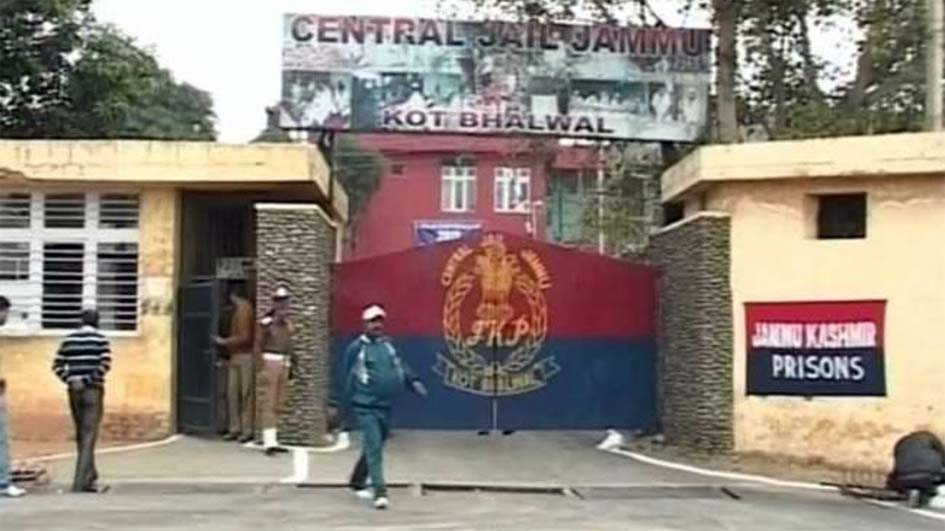
The raids conducted by the CID (Counter-Intelligence) Jammu at the high-security Kot Bhalwal and Poonch jails underline a hard but often overlooked truth: the battle against terrorism is fought as much inside prisons as it is outside. In a region like J&K, where Pakistan-backed terror networks continue to evolve in shape, scale and sophistication, the importance of enforcing airtight vigilance within jails cannot be overstated. The busting of a white-collar terror module with roots in Kashmir has once again exposed the multilayered nature of radicalisation-one that extends far beyond traditional militant circles into finance, logistics and civilian ecosystems. This makes prisons, globally recognised as high-risk incubators for extremist recruitment, particularly vulnerable. A 24×7, 365-day interaction between hardened terrorists and ordinary criminals creates fertile ground for indoctrination. The transformation of a petty offender into a motivated militant is a known pattern, and security agencies in J&K are rightfully acting to break this cycle.
The directive to segregate Pakistani and Kashmiri terrorists from each other-and from the general criminal population-is therefore not merely administrative; it is strategic. In the past, jails in the region have been misused with recoveries of mobile phones, SIM cards and other incriminating items showing how easily radical elements attempted to manipulate vulnerabilities in the system. This time, however, the approach appears far more comprehensive. Coordinated searches across multiple districts, scrutiny of overground worker networks, and even inspections of SIM vendors indicate a systemic tightening of security architecture. Plugging every possible loophole has become indispensable. Modern terror networks thrive on communication-disrupt that, and half the battle is won.
The raids in Kot Bhalwal and Poonch jails must therefore be seen not as isolated events but as part of a larger preventive framework. In the fight against terrorism, prevention is always more effective than post-incident response. Every bud of terror must be nipped at its earliest stage, and prisons-where radicalisation can silently breed-are the most critical frontiers. Sustained vigilance, periodic surprise checks and strict segregation policies will choke attempts at building the next generation of radicalised recruits. The current operations are a step in the right direction and will undoubtedly yield significant clues. In a terrorism-affected J&K, such measures are not optional-they are essential.
 Follow our WhatsApp channel
